
Seznam Slovíček Úrovně B2 - Lidské Tělo
Zde se naučíte některá anglická slova o lidském těle, jako jsou "anatomie", "orgán", "Adamovo jablko" atd., připravená pro studenty úrovně B2.
Revize
Kartičky
Pravopis
Kvíz
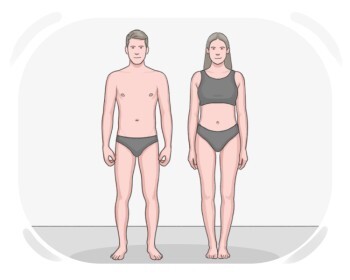
the human body

anatomie
Umělci často studují anatomii, aby přesně zobrazili lidskou formu ve své práci.
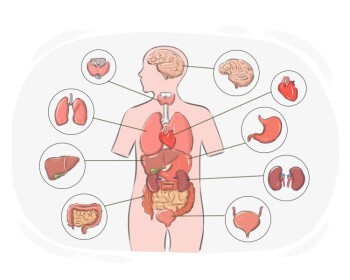
any vital part of the body which has a particular function
orgán
Orgán je centrální orgán nervového systému, který řídí většinu tělesných funkcí.
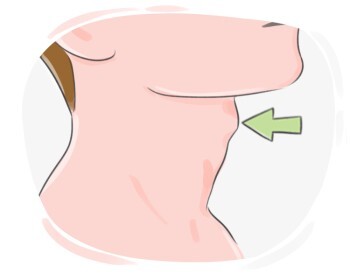
the swollen part of the neck, particularly in men, that moves upward and downward when talking or swallowing something
Adamovo jablko, ohryzek
Náhodou spolkla sousto jídla a cítila, jak se jí zachytilo o Adamovo jablko při polykání.
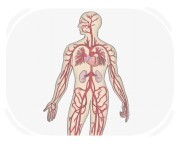
any blood vessel, carrying the blood to different organs of body from the heart
tepna, krevní céva
Ateroskleróza, stav, kdy se plak hromadí uvnitř tepen, může omezit průtok krve a vést k vážným zdravotním problémům, jako jsou infarkty a mrtvice.

any tube structure inside the body through which blood can circulate, such as a vein, artery, etc.
krevní céva, céva
Síť krevních cév těla je nezbytná pro dodávání živin a kyslíku do každé buňky.
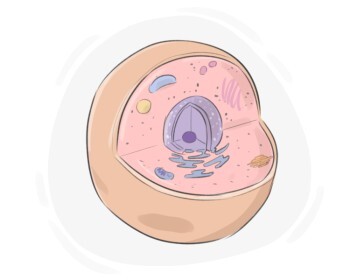
an organism's smallest unit, capable of functioning on its own
buňka
Studium buněk, známé jako buněčná biologie nebo cytologie, se zabývá jejich strukturou, funkcí a interakcemi.

the rhythmic movement of the heart while it is pumping blood
tep srdce
Pravidelný tep běžkyně naznačoval, že je v vynikajícím kardiovaskulárním zdraví.
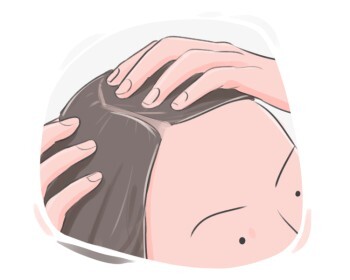
the skin under one's hair, covering the head
pokožka hlavy, scalp
Pečlivě si vyčesala vlasy, aby nedráždila svou citlivou vlasovou pokožku.
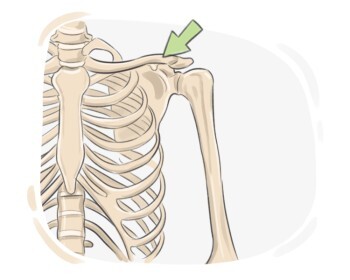
either of the pair of bones that go across the top of the chest from the base of the neck to the shoulders
klíční kost, krční kost
Silná struktura klíční kosti sportovce pomohla podpořit váhu těžkého zvedání.
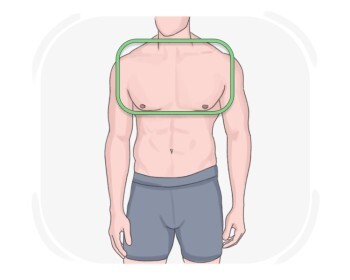
the area between the neck and the stomach
prsa, hrudník
Kulka vstoupila do jeho hrudi, propíchla jeho srdce.
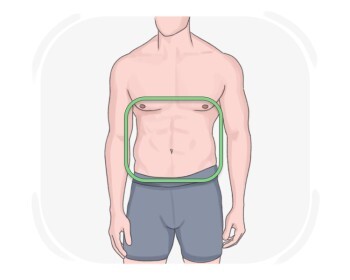
the lower part of the body below the chest that contains the digestive and reproductive organs
břicho, abdomen
Zapojila svaly středu těla a při dokončení další série sed-lehů cítila lehký pocit pálení v břiše.
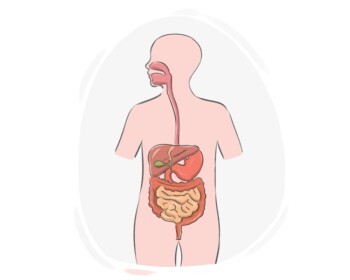
the group of organs inside the body that absorb the food and pass the waste
trávicí soustava, zažívací systém
V trávicím systému spolupracují enzymy a kyseliny, aby rozložily potravu na menší molekuly pro vstřebávání.

a protective system in the body that defends it against diseases and harmful substances
imunitní systém
Lymfatický systém, klíčová součást imunitního systému, pomáhá cirkulovat imunitní buňky a odstraňovat odpad a toxiny z těla.

the front part of the body below the ribs that contains the stomach, intestines, etc.
břicho, žaludek
Teplá polévka působila uklidňujícím dojmem na jeho prázdný žaludek po dlouhém dni.
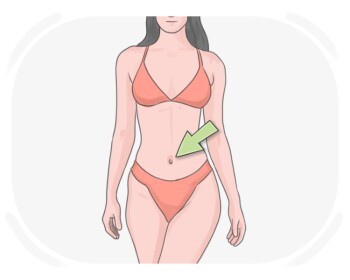
the small round hole in the front of a human stomach
pupek, břišní knoflík
Pupeční šňůra novorozence byla opatrně přestřižena, zanechávající malý pupek.
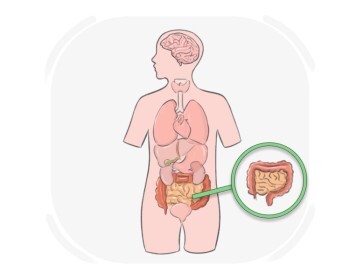
a long, continuous tube in the body through which the food coming from the stomach moves and is passed
střevo
Střevo hraje zásadní roli při rozkladu potravy a vstřebávání živin.
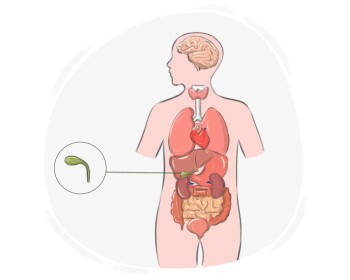
a small, pear-shaped organ located beneath the liver in which the body stores a strong digestive fluid produced by the liver
žlučník, vesica biliaris
Nepřítomnost žlučníku obvykle významně nenarušuje trávení, protože žluč může stále proudit z jater přímo do tenkého střeva, i když méně koncentrovaně.
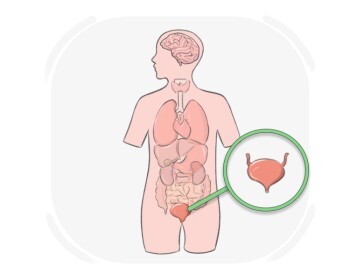
a sac-like organ inside the body where urine is stored before being passed
močový měchýř, měchýř
Ultrazvuk ukázal, že močový měchýř funguje normálně.
either of the two fleshy rounded parts of the human body located at the lower end of the torso
hýždě, zadek
Umělcova socha zachytila lidskou podobu, včetně detailního tvaru hýždí.
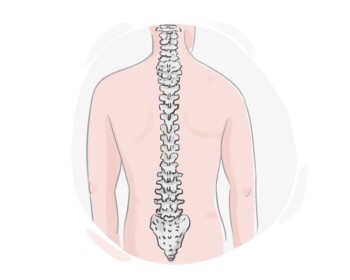
the row of small bones that are joined together down the center of the back of the body
páteř
V józe je mnoho pozic navrženo tak, aby zlepšily flexibilitu a sílu v páteři.
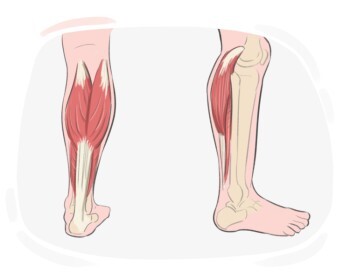
the muscular part at the back of the leg between the knee and the ankle
lýtko, lýtkový sval
Při běhu si natáhl lýtko, takže musel přestat cvičit.

the front part of the leg that is between the foot and the knee
holeň, lýtko
Lékař prohlédl pacientovo oteklé holeně a doporučil led a odpočinek.
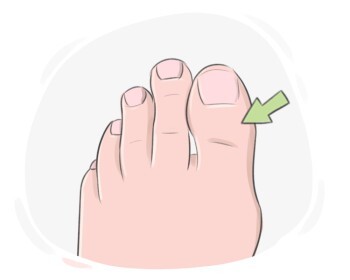
the largest of the toes on the foot
palec u nohy, hallux
Nehet na palci u nohy roste pomaleji než nehty na ostatních prstech, a je běžné, že se objeví zarostlé nehty, zejména pokud jsou nehty zastřiženy nesprávně.
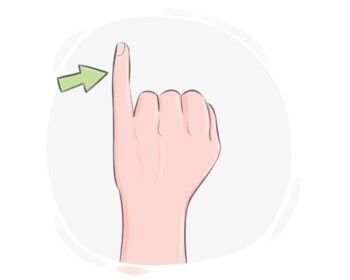
the little finger of one's hand
malíček, malý prst
Navzdory své malé velikosti hraje malíček klíčovou roli v koordinaci ruky a jemné motorice, zejména při činnostech, jako je psaní na klávesnici nebo hraní na hudební nástroje.
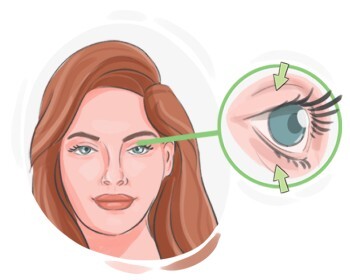
either of the upper or lower folds of skin that cover the eye when closed
víčko, víčko
Aplikace studeného obkladu pomohla snížit otok jejího víčka.
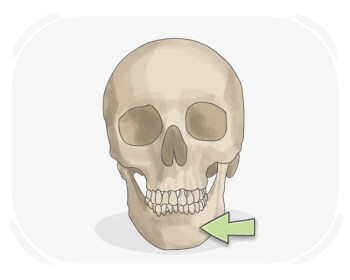
the lower bone of the face containing the chin and the bottom teeth
čelist, dolní čelist
Příliš dlouhé žvýkání žvýkačky může někdy způsobit bolest v čelisti.
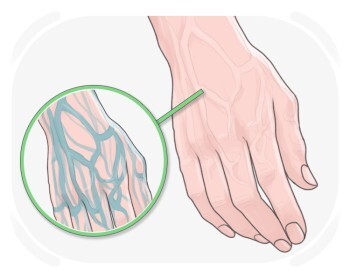
any tube or vessel that carries blood to one's heart
žíla, krevní céva
Žíly pomáhají pohybovat krví z nohou a paží zpět do srdce.
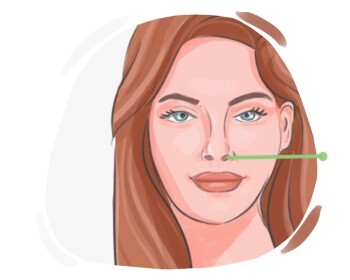
either of the two external openings of the nose that one breathes through
nosní dírka, nozdra
Sevřel si nosní dírky, aby zabránil proniknutí zápachu k němu.
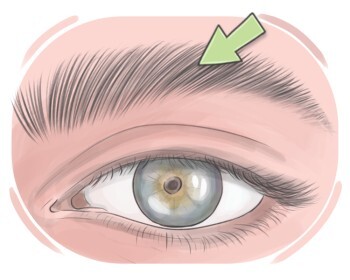
one of the two lines of hair that grow above one's eyes
obočí, oblouček obočí
Použila malý kartáč, aby si učešla své obočí do tvaru.

a hard crystal consisted of minerals such as calcium that forms in the kidneys
ledvinový kámen, nefrolitiáza
Pití velkého množství vody může pomoci předcházet ledvinovým kamenům ředěním moči a vyplavováním minerálů, které by mohly tvořit kameny.
