زبان عامیانه انگلیسی برای طعنه و کنایه
اینجا شما اصطلاحات عامیانه برای طعنه و کنایه را پیدا خواهید کرد که بازتاب دهنده روشهای طنزآمیز، تمسخرآمیز یا ظریفاً انتقادی برای بیان نظرات است.

مرور

فلشکارتها

املای کلمه

آزمون
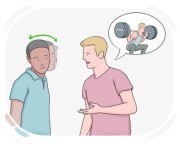


used a sarcastic response when someone oversteps, misjudges, or makes an unwarranted assumption
فقط در اوهایو
او در یک مسابقه خوردن سیبزمینی از روی هوس شرکت کرد، فقط در اوهایو.
used to indicate that a statement or reference is an inside joke or understood only by a certain group
to accept and endure unpleasant, difficult, or uncomfortable circumstances
used to make a mildly ironic or sarcastic remark in response to something unexpected or noteworthy
a playful or snarky response used to pretend not to recognize someone who is texting
to endure an unpleasant situation, pain, or difficulty without complaining
ببخشید، نمیبخشم
آنها سیاست جدید را مورد انتقاد قرار دادند، متأسفم، متأسف نیستم.
used sarcastically or self-deprecatingly after giving a long, often opinionated or preachy explanation
خیلی بد
آنها میخواستند زمان جلسه را تغییر دهند، اما مدیر گفت نه. اگر با آن مشکلی داشتند، سخت.
used sarcastically to suggest that some people's foolishness or poor judgment cannot be remedied
غفلت کنی از دستت در رفته
used to refer sarcastically to the present year, often to highlight something outdated or absurd
گول خوردی!
او طوری رفتار کرد که انگار در شرف افتادن است، سپس کاملاً فرود آمد—psych!
| ارزیابی، قضاوت و نقد | |||
|---|---|---|---|
| هیپ و ستایش | مدرک و تشدید | تأییدها | توهینهای شخصی |
| توهینهای رفتاری | قضاوتها و نقدها | تماسهای اینترنتی | واکنش و اغراق |
| طنز و کنایه | |||