
Siker - Fejlesztés
Fedezze fel, hogy az olyan angol idiómák, mint a "come a long way" és az "ugly duckling", hogyan kapcsolódnak az angol nyelv fejlesztéséhez.
Ismétlés
Tanulókártyák
Kvíz
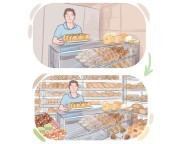
used to refer to a company, organization, etc. that is prosperous and developing rapidly

fellendülőben, gyorsan fejlődő
Az erős vezetésnek köszönhetően a cég újra fellendülőben van.

to become successful again after experiencing difficulties or financial problems
talpra állni újra, újra megerősödni
Évekbe telt, mire az étterem újra talpra állt.
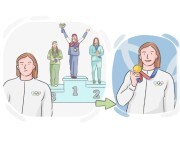
to have achieved great success or made great progress
sokat fejlődni, nagy utat bejárni
Sokat fejlődtél tervezőként.
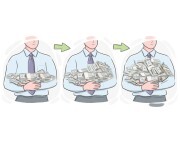
to become more and more successful with the passage of time
egyre sikeresebbé válni, folyamatosan fejlődni
A karrierje az évek során egyre sikeresebbé vált.
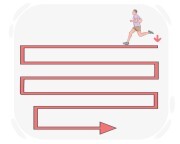
to be in a place or position where one needs to make a lot of progress in order to achieve a desired result
van még hová fejlődnie, messze még a cél
Még messze vagyunk attól, hogy elérjük a céljainkat.
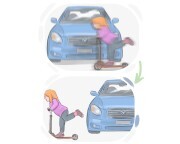
to experience success or good fortune, particularly after a period of facing challenges or setbacks
talpra esni, sikeresen kijönni a bajból
Bármi történik, mindig talpra esik.
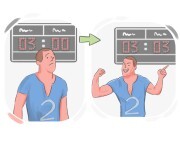
to return to a position of success, influence or popularity after experiencing a decline or setback
visszatérni a csúcsra, újra sikeresnek lenni
A válság után a cég erősen visszatért.
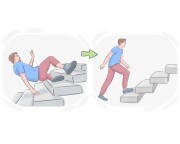
to make an effort to improve a situation after an unfortunate event or unexpected setback
összeszedni a darabokat, rendbe hozni a helyzetet
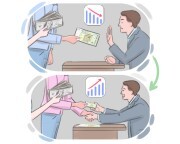
to improve a situation or one's behavior for better results
rendet tenni, helyre tenni a dolgokat
Mielőtt másokat kritizál, előbb a saját dolgait kellene rendbe tennie.
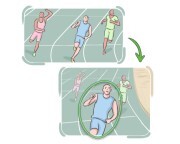
to do better than someone or something
előrébb jut,túlszárnyal
A kezdeti kihívások ellenére a vállalat innovatív stratégiái lehetővé tették, hogy előnybe kerüljön a versenytársaival szemben a piacon.

to begin to improve after a difficult period
used to refer to the act of recovering from a setback, such as illness, financial trouble, or a difficult situation, and returning to a stable or successful state
to increase the standards, expectations, or level of performance for something, aiming for a higher level of excellence

a very great success
hatalmas siker, nagy siker
Az első könyve egyik napról a másikra hatalmas siker lett.
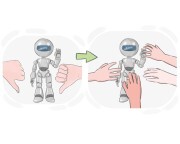
an unattractive or unsuccessful person or thing that later turns attractive or successful
rút kiskacsa, későn kivirágzó
A régi épület rút kiskacsa volt, amíg a felújítás a város büszkeségévé nem tette.
to become stable, confident, or successful after a difficult start
to begin showing one's full abilities, talents, or qualities, especially after gaining confidence, experience, or an opportunity to succeed
to begin performing confidently, smoothly, and effectively after an initial period of difficulty, uncertainty, or adjustment
an action, decision, or development that represents progress toward a desirable goal or improvement, even if further effort is still needed
to change one's behavior for the better, especially by giving up bad habits, correcting past mistakes, or becoming more responsible
to remove minor weaknesses, imperfections, or unfinished details from something in order to make it more refined, effective, or polished
to become familiar and comfortable with a new activity, routine, or situation, especially after an initial period of adjustment
to begin performing at one's best or reaching one's full potential, especially after a slow or uncertain start
