
건축 및 건설 - 아시아와 이집트 건축
여기에서 "찻집", "한옥", "파일론"과 같은 아시아와 이집트 건축과 관련된 몇 가지 영어 단어를 배우게 됩니다.
리뷰
플래시카드
철자법
퀴즈

a traditional style of Japanese tea houses and residential architecture associated with the tea ceremony, known for its simplicity, natural materials, and integration with the surrounding garden

수키야-즈쿠리, 수키야 스타일
a traditional Japanese architectural style characterized by the use of wooden screens, tatami mats, and decorative alcoves
shoin-zukuri, 전통적인 일본 건축 양식으로 나무 스크린
a style of aristocratic residential architecture characterized by a large main hall surrounded by smaller buildings, often seen in palaces and noble estates during the Heian period
신덴즈쿠리, 신덴즈쿠리 양식
a style primarily used for Shinto shrines dedicated to Hachiman, characterized by a symmetrical gabled roof with two entranceways and verandas
하치만즈쿠리, 하치만즈쿠리 양식
a style used for shrines associated with mountain worship, featuring a distinctive blend of Buddhist and Shinto architectural elements
곤겐즈쿠리, 곤겐즈쿠리 양식
a style of shrine architecture characterized by a curved, thatched roof, often resembling the shape of a wave, commonly seen in shrine halls
나가레즈쿠리, 굽은 초가지붕이 특징이며
a Japanese architectural style featuring layered roofs and symmetrical layouts seen in imperial and aristocratic buildings
테이칸 스타일, 테이칸 건축 스타일
a traditional wooden townhouse found in Kyoto, Japan, known for its narrow frontage and deep interior design
마치야, 교토의 전통 목조 도시 주택
a traditional Japanese gate commonly found at the entrance of Shinto shrines, characterized by two vertical pillars and a horizontal lintel, often painted in red and symbolizing the transition from the secular to the sacred
도리이, 전통 일본 문
a religious structure in Japan dedicated to the worship of kami, the spirits or deities of nature and ancestors, often characterized by a distinctive architectural style, torii gates, and various ritual elements
신토 신사, 신도 신전
a meditation hall or space, typically associated with Zen Buddhism, where practitioners gather for silent seated meditation and other related practices
선도, 선 명상실
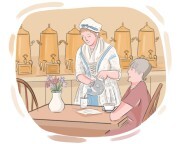
a place where tea is served, often accompanied by snacks or light meals
찻집, 다방
그는 커피숍 대신 아늑한 찻집에서 일하는 것을 선호합니다.
a peaceful Japanese-style garden with rocks, sand or gravel, and minimal plants, created to promote tranquility, meditation, and a harmonious connection with nature
선 가든, 명상 정원
a traditional Japanese architectural ornamentation in the form of a demon or ogre mask, often made of clay or ceramic, placed on the edges of roofs or walls to ward off evil spirits and bring protection to the building
오니가와라, 일본 전통 귀면 장식
a multi-story temple located in East or South Asia with a curved roof at each story
탑, 다층 사원
a traditional Chinese architectural element consisting of interlocking wooden brackets that support the roof and transfer the weight of the structure to the columns or walls
두공, 지붕을 지탱하고 구조물의 무게를 기둥이나 벽으로 전달하는 전통적인 중국 건축 요소로
traditional Korean houses with distinctive architectural features, including wooden frames, paper sliding doors, and curved roofs, reflecting the cultural heritage of Korea
한옥, 한국 전통 가옥
a circular or semi-circular opening found in traditional Chinese gardens and architecture, typically made of stone or wood, creating a framed entrance or window that symbolizes harmony and good fortune
달 문, 달 모양의 문
a type of ancient Egyptian tomb structure characterized by a rectangular, flat-roofed design with sloping sides, typically consisting of an underground burial chamber and a superstructure above ground
마스타바, 마스타바 무덤
a small structure or room within an ancient Egyptian temple or tomb complex where offerings, rituals, and prayers were conducted to honor and provide for the deceased or deities
제물 예배당, 제물 기도실
an underground structure or chamber, often used as a tomb or sacred space, typically found in ancient civilizations such as Egypt and Rome, and characterized by its subterranean location and architectural features
히포게움, 지하 구조물
a type of ancient Egyptian temple built near or connected to a royal tomb, dedicated to the worship and commemoration of a deceased pharaoh, serving as a place for rituals, offerings, and the veneration of the ruler's spirit
장례 신전, 무덤 신전
a monumental gateway of an ancient Egyptian temple formed by two tapered towers flanking a central entrance, symbolizing the horizon
파일론, 이집트 파일론
에드푸의 각 탑문에는 호루스 신을 찬양하고 왕의 승리를 표시하는 비문이 새겨져 있습니다.
a large hall with a roof supported by many columns
하이포스타일, 다주식 홀
그리스 아고라에는 상인들과 쇼핑객들에게 그늘을 제공하는 지붕을 지지하는 기둥 줄이 있는 하이포스타일 시장이 있었습니다.
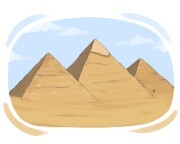
a stone monument built in ancient Egypt usually as a tomb for the pharaohs, which has a triangular or square base that slopes up to the top
피라미드, 피라미드 기념물
과학자들은 여전히 고대 문명이 어떻게 자신들의 피라미드를 건설했는지 연구하고 있습니다.
a small, enclosed chamber or room, typically found in ancient Egyptian tombs, where the statue or representation of the deceased person was placed for worship or remembrance
세르다브, 매장실
an architectural element in ancient Egyptian tomb and temple architecture that resembles a real door but is not functional
가짜 문, 모조 문
