pattern

Słownictwo do IELTS Academic (Wynik 5) - Law

Tutaj nauczysz się niektórych angielskich słów związanych z prawem, które są niezbędne do podstawowego akademickiego egzaminu IELTS.

Przegląd

Fiszki

formy

Pisownia

Test

Zacznij naukę
Vocabulary for IELTS Academic (Band 5)
law
law
[Rzeczownik]

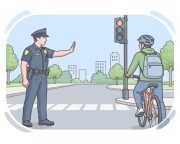
a country's rules that all of its citizens are required to obey

prawo, ustawa

prawo, ustawa

Ex: Breaking the law can result in serious consequences. 
lawyer
lawyer
[Rzeczownik]

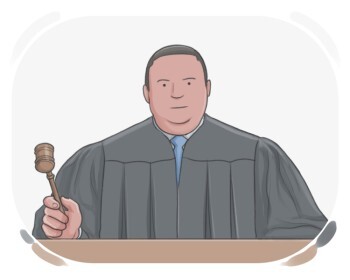
a person who practices or studies law, advises people about the law or represents them in court

adwokat, prawnik
adwokat, prawnik

Ex: She hired a lawyer to help her navigate the complex legal issues surrounding her business. 
judge
judge
[Rzeczownik]

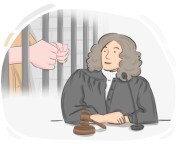
the official in charge of a court who decides on legal matters

sędzia, magistrat

sędzia, magistrat

Ex: The judge listened to both sides of the case before making a ruling. 
witness
witness
[Rzeczownik]

a person who sees an event, especially a criminal scene

świadek, naoczny świadek

świadek, naoczny świadek

Ex: The witness gave a detailed account of what happened during the burglary. 
testimony
testimony
[Rzeczownik]

a formal statement saying something is true, particularly made by a witness in court

zeznanie, świadectwo

zeznanie, świadectwo

Ex: The witness provided compelling testimony that corroborated the victim's account. 
evidence
evidence
[Rzeczownik]

a statement, document, or object that is used in a law court for establishing facts

dowód,  świadectwo

dowód, świadectwo

Ex: The detectives found crucial evidence at the crime scene that linked the suspect to the murder. 
oath
oath
[Rzeczownik]

a serious promise or statement made by someone to tell the truth, often with the belief that breaking the promise will have serious consequences

przysięga, uroczysta obietnica

przysięga, uroczysta obietnica

Ex: The witness took an oath to tell the whole truth during the trial. 
right
right
[Rzeczownik]

a thing that someone is legally, officially, or morally allowed to do or have

prawo, przywilej

prawo, przywilej

Ex: Everyone has the right to free speech. 
duty
duty
[Rzeczownik]

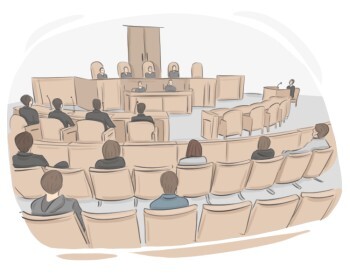
an obligatory task that must be done as one's job

obowiązek, powinność
obowiązek, powinność

Ex: It is her duty to ensure the safety of all the employees. 
trial
trial
[Rzeczownik]

a legal process where a judge and jury examine evidence in court to decide if the accused is guilty

proces, rozprawa

proces, rozprawa

Ex: The trial lasted for several weeks as witnesses testified and evidence was presented. 
jury
jury
[Rzeczownik]

a group of twelve citizens, who listen to the details of a case in the court of law in order to decide the guiltiness or innocence of a defendant

ława przysięgłych, panel ławników

ława przysięgłych, panel ławników

Ex: The jury deliberated for several hours before reaching a unanimous verdict. 
justice
justice
[Rzeczownik]

the exercise of judgment in determining rights, duties, or assigning rewards and punishments

sprawiedliwość

sprawiedliwość

Ex: The court's role is to administer justice. 
sentence
sentence
[Rzeczownik]

the punishment that the court assigned for a guilty person

wyrok, kara

wyrok, kara

Ex: The judge handed down a life sentence for the crime. 
bill
bill
[Rzeczownik]

a new law that is proposed to a parliament to be discussed about

projekt ustawy, propozycja ustawy

projekt ustawy, propozycja ustawy

Ex: After several debates, the bill was passed and became law. 
jurisdiction
jurisdiction
[Rzeczownik]

the power or authority of a court of law or an organization to make legal decisions and judgements

jurysdykcja, właściwość

jurysdykcja, właściwość

Ex: The court ruled that the case fell under federal jurisdiction due to its interstate nature. 
will
will
[Rzeczownik]

a legal document that a person writes to decide what happens to their belongings after their death

testament, ostatnia wola

testament, ostatnia wola

Ex: She updated her will to include her grandchildren as beneficiaries. 
petition
petition
[Rzeczownik]

a written request, signed by a group of people, that asks an organization or government to take a specific action

petycja, wniosek

petycja, wniosek

Ex: Over 10,000 people signed the petition to save the local park from development. 
plea
plea
[Rzeczownik]

(law) a formal statement made by someone confirming or denying their accusation

oświadczenie, mowa obrończa

oświadczenie, mowa obrończa

Ex: The defendant entered a plea of not guilty to the charges. 
to sentence
to sentence
[Czasownik]

to officially state the punishment of someone found guilty in a court of law

skazać

skazać

Ex: The judge will sentence the convicted criminal to five years in prison. 
to charge
to charge
[Czasownik]

to officially accuse someone of an offense

oskarżać, zarzucać

oskarżać, zarzucać

Ex: The prosecutor decided to charge the suspect with theft based on the evidence. 
to condemn
to condemn
[Czasownik]

to give a severe punishment to someone who has committed a major crime

potępiać, surowo karać

potępiać, surowo karać

Ex: The court condemned the serial killer to life imprisonment without the possibility of parole. 
to violate
to violate
[Czasownik]

to disobey or break a regulation, an agreement, etc.

naruszać, łamać

naruszać, łamać

Ex: The company faced legal consequences for violating environmental regulations. 
to enforce
to enforce
[Czasownik]

to ensure that a law or rule is followed

egzekwować, zapewniać przestrzeganie

egzekwować, zapewniać przestrzeganie

Ex: The police are tasked with enforcing the laws to maintain public order. 
to reform
to reform
[Czasownik]

to make a society, law, system, or organization better or more effective by making many changes to it

reformować, ulepszać

reformować, ulepszać

Ex: The government aims to reform the education system to ensure equal access to quality education for all students. 
to interrogate
to interrogate
[Czasownik]

to question someone in an aggressive way for a long time in order to get information

przesłuchiwać

przesłuchiwać

Ex: The detective decided to interrogate the suspect to uncover details about the crime. 
to convict
to convict
[Czasownik]

to announce officially that someone is guilty of a crime in a court of law

skazać, uznać za winnego

skazać, uznać za winnego

Ex: The jury deliberated and decided to convict the defendant of murder. 
counsel
counsel
[Rzeczownik]

a lawyer who represents and gives legal advice to someone in court

adwokat, doradca prawny

adwokat, doradca prawny

Ex: The defendant's counsel argued strongly for his innocence. 
redress
redress
[Rzeczownik]

a sum of money paid to someone to make up for the damage or harm done to them

odszkodowanie, zadośćuczynienie

odszkodowanie, zadośćuczynienie

Ex: The court ordered the company to pay redress to the injured workers. 
to abolish
to abolish
[Czasownik]

to officially put an end to a law, activity, or system

znosić, obalać

znosić, obalać

Ex: The government decided to abolish the death penalty. 
to legalize
to legalize
[Czasownik]

to permit something by law, granting people the right or freedom to do it

zalegalizować, zezwolić przez prawo

zalegalizować, zezwolić przez prawo

Ex: The government decided to legalize the use of cannabis for medical purposes, allowing patients to access it legally. 
LanGeek
Pobierz aplikację LanGeek