
Książka Street Talk 1 - Lekcja 3
Poznaj słownictwo, nieformalne zwroty i konwersacyjny angielski przedstawione w Street Talk 1 Lekcja 3.
Przegląd
Fiszki
formy
Pisownia
Test

to make a mess of or ruin something, often through reckless actions or poor decision-making

zepsuć, zrujnować
Decyzja nastolatka o zorganizowaniu imprezy, gdy rodziców nie było, miała potencjał zrujnować ich zaufanie.

the highest and most successful level in a profession, particularly in entertainment field
szczyt, wielkie ligi
Występ komika w nocnym talk-show oznaczał jego wejście do wielkiej ligi.
an absolute failure
porażka, bomba
Program komediowy był klapą, a publiczność ledwo się śmiała.
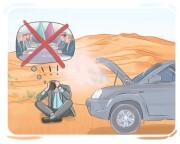
used for saying that it is completely unlikely that something ever happens
nigdy, nigdy w życiu
Moi rodzice nigdy nie pozwolą mi rzucić szkoły.
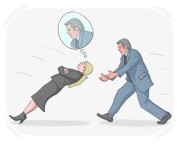
to put trust in something or someone
liczyć na, polegać na
Klienci muszą polegać na jakości naszych usług, aby osiągnąć długotrwałe zadowolenie.
to suddenly malfunction or stop operating
umrzeć, przestać działać
Telewizor zepsuł się w środku gry.
an occasion marked by extraordinary enjoyment and triumph
dzień triumfu, dzień radości
Dziennikarze mieli wspaniały dzień, relacjonując ślub celebryty.

an eccentric or unreliable person
dziwak, niezawodna osoba
Dziwak z sąsiedztwa zawsze robi coś dziwacznego, jak malowanie domu na dzikie kolory.
to engage in social activities or interactions
obracać się, społecznie się udzielać
Emeryci w ośrodku społecznym lubią przemieszczać się, uczestnicząc w tańcach, wieczorach gier i wycieczkach grupowych.
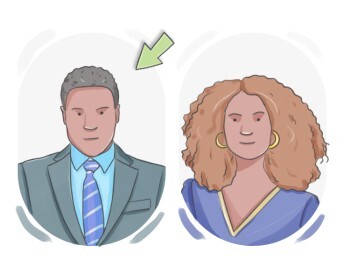
a person, typically a male
facet, mężczyzna
Nowy facet w pracy wydaje się naprawdę przyjazny i pomocny.
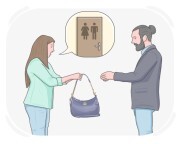
to physically take an object and give it to someone
podawać, wręczać
Kelner podał nam menu, gdy tylko usiedliśmy przy stole.
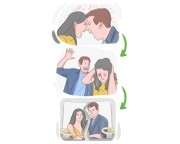
the final and decisive event or action that pushes someone beyond their tolerance or patience, leading to a significant reaction or decision
ostatnia kropla, kropla, która przelała czarę
Jego ciągłe wymówki były już dość irytujące; opuszczenie spotkania było ostatnią kroplą.
to tell lies in an obvious way
łgać jak z nut, bezczelnie kłamać
Wiedziałem, że łże jak z nut, gdy twierdził, że sam skończył całą pracę.
![to [lose|blow] {one's} cool](https://cdn.langeek.co/photo/42680/thumb/350?type=jpeg "to [lose|blow] {one's} cool")
to become suddenly very angry, often to the point of shouting or behaving in an aggressive manner
puścić nerwy, wybuchnąć złością
Prawie puściły mi nerwy, gdy zaczął krzyczeć na moją matkę.
confusion or lack of clarity caused by irrelevant information or trivial remarks
hałas, zakłócenie
Jego przemówienie było pełne hałasu, z niewieloma jasnymi punktami.
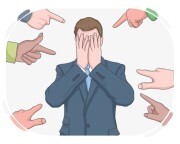
to give a strong, negative review or opinion about something
zbesztać, skrytykować
Recenzja produktu w magazynie zmasakrowała najnowsze gadżet, podkreślając jego liczne wady techniczne.
to successfully execute a plan or scheme, especially when it involves cunning or manipulation
zrealizować, wykonać
Pomimo ścisłego bezpieczeństwa, mistrzowski złodziej przeprowadził napad na ciężko strzeżone muzeum.
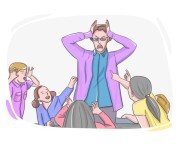
to tolerate something or someone unpleasant, often without complaining
znosić, tolerować
Mieszkańcy znoszą hałas życia miejskiego dla wygód, które oferuje.
to angrily warn or threaten someone so that they will not make the same mistake
ostro kogoś upomnieć, dać komuś surowe ostrzeżenie
Gdy zasady bezpieczeństwa znów zostały zignorowane, przełożony ostro upomniał wszystkich.
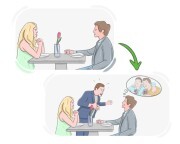
to meet someone by chance and unexpectedly
natknąć się na, spotkać przypadkiem
Natknęliśmy się na naszego byłego nauczyciela podczas wakacji w innym kraju.
an exceptionally successful and popular work, particularly in entertainment, that achieves widespread acclaim and significant sales
ogromny hit, przebój
Jego najnowsza powieść przekształciła się w wielki hit, urzekając czytelników na całym świecie.
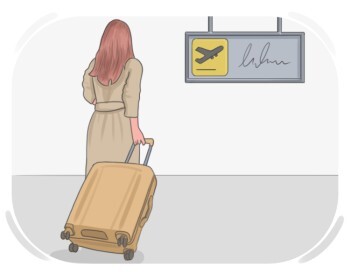
to leave in a sudden manner
zwiać, uciekać
Znana osoba musiała opuścić wydarzenie z powodu nagłego zobowiązania.
said to express agreement with someone's suggestion
powiedziałeś to, powiedzieliście to
![to [give] {one's} (right arm|eyetooth)](https://cdn.langeek.co/photo/42902/thumb/350?type=jpeg "to [give] {one's} (right arm|eyetooth)")
to stop at nothing to obtain or do something
oddawać wszystko za, zrobić wszystko, by zdobyć
Oddałbym wszystko za wolny weekend.
to physically hit someone in the eye, causing visible bruising
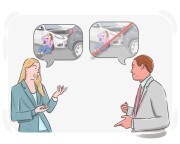
used to show that one does not believe or accept something that was said or suggested
W twoich snach!, W świńskim oku!
Obiecali szybkie i łatwe rozwiązanie problemu, ale w żadnym wypadku, nie będzie to takie proste.
used to refer to the act of recovering from a setback, such as illness, financial trouble, or a difficult situation, and returning to a stable or successful state
to engage in secretive or underhanded cooperation, often in politics or business
to act in a cautious, hesitant, or overly careful manner, often to avoid making a decision or offending someone
to act in a cautious, hesitant, or overly careful way, often to avoid commitment, confrontation, or making a firm decision
owijać w bawełnę, wahać się
On ostrożnie stąpał przez rozmowę, wyraźnie starając się nikogo nie urazić.
a belief that is strong, yet without any explainable reason
przeczucie, intuicyjna reakcja
Moja intuicyjna reakcja na propozycję była odmowna, choć na papierze wyglądała dobrze.
to expel the contents of one's stomach, often in a forceful or uncontrolled manner
to have an inflated sense of one's own importance or abilities; to be arrogant or overly self-confident
used to refer to something important or urgent, indicating that it requires immediate attention or consideration
a mental state or experience where someone is absorbed in unrealistic, delusional, or self-centered thoughts, often disconnected from reality or driven by an inflated sense of self-importance
podróż umysłowa, egocentryczne urojenie
Nie daj się wciągnąć w podróż głowy—jesteś częścią zespołu, nie ponad nim.
used to refer to a state in which one is really in love with someone
zakochany po uszy, szaleńczo zakochany
Po sposobie, w jaki o niej mówi, widać, że jest zakochany po uszy.
used as a command telling a dog to walk closely beside its owner or handler
to walk too closely behind someone, often so close that it feels as though one is almost stepping on their heels, creating an uncomfortable or intrusive proximity
a swollen lip from getting punched in the mouth
spuchnięta warga, opuchnięta warga
Dostał spuchniętą wargę po tym, jak gorąca dyskusja przerodziła się w bójkę.
to criticize or speak unfavorably about someone or something, often in an unfair or unkind way.
obmawiać, oczerniać
Jeśli decyzja nie będzie po ich myśli, niezadowoleni pracownicy mogą obmawiać kierownictwo.
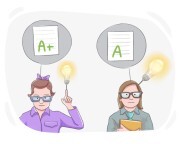
used when two or more participants in a race or competition are very close and have an equal chance of winning
łeb w łeb, idą równo
Nasza firma i ich firma idą łeb w łeb w walce o kontrakt.
a rural, working-class white person, especially in the Southern U.S., often stereotyped as socially conservative, uneducated, or unsophisticated
wieśniak, prostak
Dorastała w społeczności rednecków, ale przeprowadziła się do miasta na studia.
to squeeze something, typically a wet cloth or clothing, to remove excess liquid
wyżymać, wyciskać
Mechanik wyżymał oleistą szmatę i wycierał ręce.
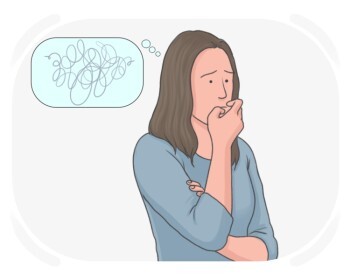
used to refer to a state in which someone is extremely nervous and unable to relax
jak na szpilkach, nerwowy i spięty
Przez całą rozmowę kwalifikacyjną wydawał się spięty.
an unexpected and rapid decline, particularly in terms of value and price
gwałtowny spadek, załamanie
Zyski firmy gwałtownie spadły po skandalu.
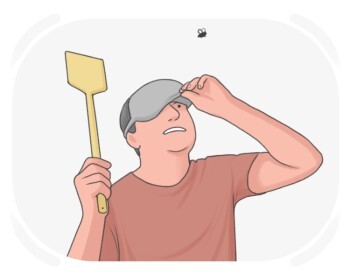
a state of great annoyance or anger
bardzo poirytowany, zirytowany lub urażony
Bardzo się zirytował, bo nie został zaproszony na przyjęcie.
to be completely under someone's control or influence
saying what is in one's mind in a very forceful yet honest manner
prosto z mostu, bez owijania w bawełnę
Po porażce trener porozmawiał z drużyną prosto z mostu.
to get a free ride from passing vehicles by signaling with one's thumb
łapać stopa, prosić o podwózkę
Autostopowicze często pokazują kciuk na wiejskich drogach, gdzie transport publiczny jest rzadki.
to make a person be constantly worried about or ready for any possible danger or threat
trzymać kogoś w gotowości, utrzymywać kogoś w czujności
Groźba nagłych kontroli trzymała pracowników fabryki w ciągłej gotowości.
