
Продвинутый Словарный Запас для TOEFL - Социальные проблемы
Здесь вы выучите некоторые английские слова о социальных проблемах, такие как "преследование", "незаконный", "беспорядки" и т.д., которые необходимы для экзамена TOEFL.
Обзор
Флэш-карточки
Правописание
Тест


the practice of treating a person or different categories of people less fairly than others

дискриминация
Компания столкнулась с судебным иском за дискриминацию в отношении сотрудниц.
an act of cruelty and unfairness toward someone because of their race, religion, or political views
преследование
the policy or practice of favoring people that belong to groups known to have been discriminated against formerly, especially by giving them jobs
позитивные действия

to treat a person, group, or concept as insignificant or of secondary or minor importance
маргинализировать, изолировать
Исторически коренные народы были маргинализированы и лишены своих прав на землю.
the conflict of interests between different social classes in a society, as mentioned in Marxist ideology
классовая борьба
Роман исследует темы классовой борьбы в быстро индустриализирующемся обществе.
the expulsion of a non-citizen or foreigner from a country, often for being undesirable or violating laws
депортация
Власти приказали депортировать нелегальных иммигрантов.
the protection that a country grants to someone who has fled their home country because of political reasons
политическое убежище
Она попросила политическое убежище после преследований в своей родной стране.
a person who has fled their home country due to fear of persecution, based on race, religion, political opinion, or membership in a particular social group, and is seeking international protection in another country
проситель убежища
Проситель убежища прибыл к границе и попросил защиты от политического насилия.
a person who resides or works in a country in violation of its laws
незаконный
Власти депортировали несколько нелегалов на прошлой неделе.
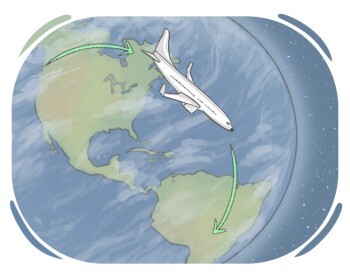
the fact or process of coming to another country to permanently live there
иммиграция
В стране наблюдается рост иммиграции из-за сильного рынка труда и высокого качества жизни.
the act of permanently leaving one's own country to go and live in another
эмиграция
Её бабушка и дедушка пережили эмиграцию в 1950-х годах.
the act or process of granting a foreigner the citizenship of a country
принятие гражданства
the fact of having or expressing strong, irrational views and disliking other people with different views or a different way of life
фанатизм
Сообщество было шокировано фанатизмом, выраженным в ненавистнической речи.
the state of being reluctant to accept ideas, thoughts, or behaviors that differ from one's own
нетерпимость
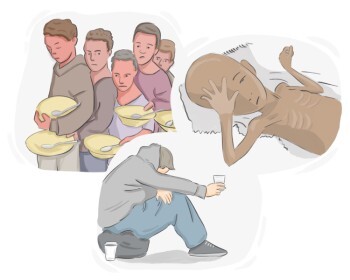
the state in which one cannot satisfy their basic human needs
лишение
Длительное лишение пищи и воды привело к серьезным проблемам со здоровьем.
(of a person or area) facing challenging circumstances, especially financially or socially
обездоленный, неблагополучные
В неблагополучном районе не было доступа к качественному образованию и здравоохранению.

the state of homelessness as a result of unemployment
бродяжничество
Он был арестован за бродяжничество.
a political situation in which there is anger among the people and protests are likely
беспорядки, волнения
Решение правительства вызвало широкомасштабные беспорядки по всей стране.
a situation in which people join together to fight against those in power
восстание
Крестьянское восстание было жестоко подавлено королевской армией.
a situation in which one has just enough money or food to survive
пропитание
Работники зарабатывали едва достаточно для проживания.
a place or structure that provides protection from danger, adversity, or hardship
убежище
Туристы нашли убежище в горной хижине во время шторма.
suffering from extreme deprivation
страдающий от нищеты
Деревня, пострадавшая от нищеты, боролась с ограниченным доступом к чистой воде.
to take away a person or a country's riches to the point of poverty
обеднять
Экономический кризис начал обеднять многие семьи в регионе.
extremely poor or in need
неимущий
Нуждающееся население полагалось на государственную помощь для выживания.

a situation in which people are forced work against their will through threats or violence that prevents them from escaping
современное рабство
Современное рабство процветает в средах, где уязвимые группы населения не имеют правовой защиты, экономических возможностей или социальных сетей поддержки.

to dismiss employees due to financial difficulties or reduced workload
увольнять
Компания уволила 10% своих сотрудников из-за финансовых потерь.
the buying and selling of goods illegally
незаконная торговля
Он был арестован за торговлю наркотиками.
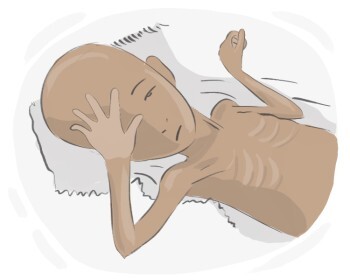
a condition in which a person does not have enough food or good food to eat in order to stay healthy
недоедание
Последствия недоедания могут быть разрушительными, приводя к задержке роста, ослаблению иммунной системы и нарушению когнитивного развития.
the act of inhaling smoke from another person's cigarettes, cigars, or pipes, especially involuntarily
пассивное курение
hatred, antipathy, or prejudice toward homosexuals
гомофобия
Кампания направлена на повышение осведомленности о последствиях гомофобии.
a powerful, addictive, and illegal drug that some people take for pleasure
сильный наркотик
Полиция арестовала его за употребление тяжелого наркотика.
a recreational drug that is not considered very harmful and gives some people a sense of pleasure
легкие наркотики
Каннабис часто классифицируется как лёгкий наркотик.
expulsion of people from their homes, typically caused by war, persecution, or natural catastrophe
перемещение
