
Từ Vựng Nâng Cao cho GRE - Khía Cạnh và Cách Thức
Ở đây bạn sẽ học một số từ tiếng Anh về các khía cạnh và cách thức, chẳng hạn như "hèn nhát", "bỏ hoang", "tầm thường", v.v., cần thiết cho kỳ thi GRE.
Xem lại
Thẻ ghi nhớ
Chính tả
Đố vui

a type of manner that is composed and confident, often when one is facing a difficult situation

sự bình tĩnh, sự tự tin
Sự tự tin của cô ấy trong việc đối phó với khủng hoảng đã gây ấn tượng với mọi người.
an insensitive and uneducated person who lacks culture and manners
kẻ thô lỗ, người vô học
Sự coi thường của kẻ thô lỗ đối với nghi thức là rõ ràng trong mọi tình huống xã hội.
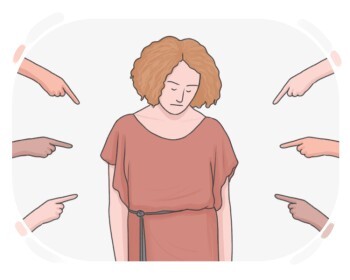
a state of embarrassment due to failing, getting humiliated, or disappointed
sự bực bội, sự xấu hổ
Mặc dù đã cố gắng hết sức, anh ta không thể che giấu sự bực tức khi bị bỏ qua cho việc thăng chức.
a bad-tempered person who is easily annoyed and angered, usually old in age
người cáu kỉnh, kẻ khó tính
Ông nội của cô đóng vai người cáu kỉnh, luôn cằn nhằn về thời tiết.
a way of behaving that is shamelessly rude and bold
sự trơ tráo, sự mặt dày
Anh ta thể hiện sự trơ tráo đáng chú ý bằng cách liên tục ngắt lời người nói.
a prideful and unfriendly manner of behaving that showcases one's belief of being better than others
sự kiêu ngạo
Thái độ kiêu ngạo của nhà ngoại giao đã khiến anh ta xa lánh đồng nghiệp.
a way of behaving that is relaxed, as if one has no problems or concerns
sự vô tư
Cô ấy đeo một nụ cười vô tư, bỏ qua sự căng thẳng xung quanh.
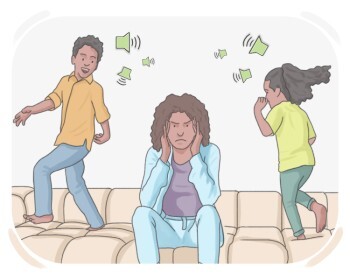
to repeatedly annoy or harass someone with requests or questions
quấy rầy, làm phiền
to force a person into doing something by threatening or frightening them
hăm dọa, ép buộc bằng cách đe dọa
Cô ấy bị hăm dọa để xin lỗi, mặc dù cô ấy cảm thấy mình đúng.
to do something in a reluctant and condescending manner
hạ cố, chiếu cố
Người nổi tiếng cuối cùng đã hạ mình ký tặng cho người hâm mộ.
to make someone suffer from a lot of emotional or mental pain
xé toạc, làm đau đớn
Sự mất mát của thú cưng yêu quý đã xé nát tâm hồn cô, đẩy cô vào một cảm giác đau buồn sâu sắc.
(of people) open and willing to let suggestions influence them
dễ tiếp thu, cởi mở
Anh ấy vẫn sẵn lòng trong suốt quá trình đàm phán.
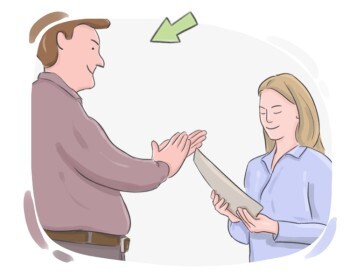
displaying approval or praise
tán thành, khen ngợi
Họ trao đổi những cái nhìn tán thành sau buổi thuyết trình.

requiring so much effort, mostly physical, that will cause exhaustion
gian khổ, vất vả
Anh ấy thấy nhiệm vụ di chuyển tất cả đồ đạc là một công việc vất vả.

extremely enthusiastic and interested in something one does
say mê, nhiệt tình
Anh ấy là một người hâm mộ thể thao cuồng nhiệt, không bao giờ bỏ lỡ trận đấu nào của đội bóng yêu thích.

overly satisfied or content with one's current situation or achievements, often to the point of neglecting potential risks or improvements
tự mãn, tự đắc
Những điểm số cao của học sinh trong các kỳ thi trước đã khiến cô ấy tự mãn, khiến cô ấy học ít hơn cho bài kiểm tra sắp tới.
knowledgeable or experienced with something
thông thạo, có kinh nghiệm
Thành viên trong nhóm thông thạo phần mềm được sử dụng trong văn phòng.
not having even the smallest amount of courage
hèn nhát, nhát gan
Sự từ chối hèn nhát của anh ấy trong việc bảo vệ niềm tin của mình thật đáng thất vọng.

(particularly of a man) handsome, stylish and full of confidence
lịch lãm, phong nhã
Cuộc hẹn của cô ấy đến trông lịch lãm, tạo ấn tượng tuyệt vời.
neglectful toward obligations and duties
bỏ bê, lơ là trách nhiệm
Hành vi lơ là của cô ấy trong việc hoàn thành nhiệm vụ đã gây căng thẳng trong nhóm.
making one feel worried about something
đáng lo ngại, gây bất an
Sự im lặng đáng lo ngại trong ngôi nhà bỏ hoang khiến cô ấy rùng mình.
causing or displaying great sadness or distress
đau buồn, sầu thảm
Lá thư đau buồn từ người bạn của cô ấy khiến cô ấy cảm thấy đau lòng.
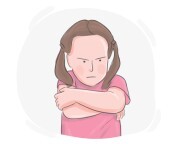
easily getting annoyed, angry, or upset
dễ cáu, dễ nổi giận
Anh ấy cố gắng tránh người hàng xóm dễ nổi cáu luôn phàn nàn.
resistant to being affected or damaged by something
không thấm, vô cảm
Cô ấy có vẻ không bị ảnh hưởng bởi căng thẳng của công việc đòi hỏi cao.
(of a person) deliberately telling lies
dối trá, lừa dối
Cô ấy tránh mặt đồng nghiệp dối trá của mình, biết rằng anh ta không thể tin tưởng được.
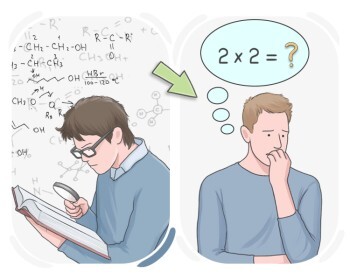
slow or reluctant to understand things or respond emotionally to something
đần độn, chậm hiểu
Giáo viên trở nên thất vọng với học sinh chậm hiểu người dường như không muốn tham gia với tài liệu.
having too much pride or confidence in oneself
kiêu ngạo, tự phụ
Cô ấy bỏ qua lời khuyên vì tính kiêu ngạo quá mức của anh ta.
demanding immediate obedience, particularly in a way that sounds unfriendly or rude
cương quyết, độc đoán
Yêu cầu cương quyết của Lisa đối với các tài liệu vừa đột ngột vừa mạnh mẽ.
quick to understand and judge people, things, and situations accurately
sắc sảo, nhạy bén
Sự sắc sảo của Jane trong việc đánh giá tính cách con người đã giúp cô xây dựng một đội ngũ mạnh mẽ và đáng tin cậy.
considered to be of small importance or value
không đáng kể, nhỏ nhặt
Người quản lý từ chối lãng phí thời gian vào những vấn đề nhỏ nhặt và thay vào đó ưu tiên những nhiệm vụ quan trọng.
lacking excitement or imagination
tầm thường, không có trí tưởng tượng
Những chi tiết tầm thường của báo cáo hầu như không hấp dẫn.

paying a lot of attention to the correctness of behavior or to detail
tỉ mỉ, cẩn thận
Tại cuộc họp, những ghi chú tỉ mỉ của anh ấy đã ghi lại mọi điểm được thảo luận.
causing fear due to greatness or being impressive
đáng gờm, ấn tượng
Đối mặt với một đối thủ đáng gờm như vậy trong cuộc tranh luận đã trở thành một thách thức lớn.
vulgar, indecent, or coarse, often with sexual connotations
tục tĩu, thô tục
Ông được biết đến với khiếu hài hước tục tĩu, thường đẩy giới hạn của sự đứng đắn trong những câu đùa của mình.
easily angered or annoyed
dễ nổi giận, hay cáu kỉnh
Ông được biết đến với tính cách dễ nổi nóng, thường tức giận vì những chuyện nhỏ nhặt.
staying calm and displaying little or no interest or emotions
điềm tĩnh, thờ ơ
Anh ấy đã có một màn trình diễn điềm tĩnh, thể hiện rất ít cảm xúc.

treating others as if one is superior to them
kiêu ngạo, ngạo mạn
Thái độ kiêu ngạo của cô ấy đối với nhân viên cấp dưới đã được ban quản lý ghi nhận.
