
Cinema and Theater - Describing Cinema and Theater
Here you will learn some English words related to the description of cinema and theater such as "uncut", "X-rated", and "subtitled".
Review
Flashcards
Forms
Spelling
Quiz

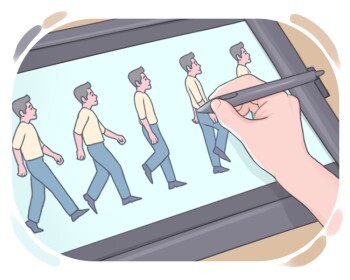
(of images or drawings in a movie) made to appear as if they are in motion

describing a movie that has not been released theatrically but has gone directly to home video or streaming platforms
(of a film or video) featuring written translations of spoken dialogue displayed on the screen, typically in a language different from the original audio
having a wider aspect ratio than the traditional 4:3 aspect ratio, allowing for a larger viewing area
having qualities or characteristics similar to those found in movies or cinema
referring to material deemed inappropriate for viewers under the age of 18 due to its sexual content
(of an actor or role) of a great significance in a movie or play but not as important as the main role
referring to the stage of audiovisual production that occurs after filming or recording
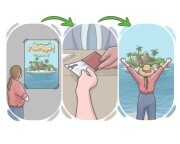
without prior practice or preparation
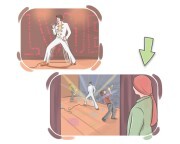
in or to the area behind the stage in a theater that is out of the audience's sight
(particularly of a novel, motion picture, etc.) commercially successful in terms of sales and reception
at or toward the anterior part of a stage in theater that is in the audience's sight
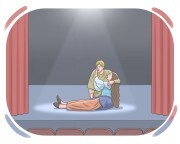
related to acting, plays, or the theater
situated out of sight of the audience, typically in the wings or backstage
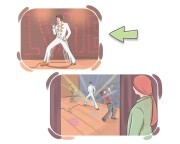
relating to or occurring on the part of a stage that is visible to the audience
describing a motion picture that people under the age of 17 need a guardian or parent in order to watch it
(of a movie) lacking spoken dialogue
relating to the frequent habit of going to the theatre

of, relating to, or connected with the theater as an art form or profession
at or toward the back part of the stage that is the most distant from the audience
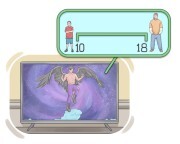
consisting of multiple famous entertainers, performers, etc.
(of a movie) of standard duration as a typical movie, mostly between 75 and 210 minutes long
