pattern

Essential Vocabulary for TOEFL - The Environment and Weather

Here you will learn some English words about the environment and weather, such as "ecology", "refine", "toxic", etc. that are needed for the TOEFL exam.

Review

Flashcards

Forms

Spelling

Quiz

Start learning
Essential Words Needed for TOEFL
ecosystem
ecosystem
[noun]

a community of living organisms together with their physical environment, interacting as a system
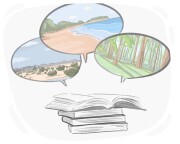
Ex: Coral reefs are diverse ecosystems that support a wide range of marine life. 
Close
Sign in
ecology
ecology
[noun]

the scientific study of the environment or the interrelation of living creatures and the way they affect each other
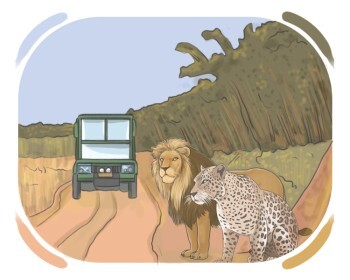
Ex: Ecology examines how plants and animals adapt to their environments. 
Close
Sign in
sanctuary
sanctuary
[noun]

an area for birds and animals to live and to be protected from dangerous conditions and being hunted

Ex: The wildlife sanctuary provides a safe habitat for endangered species to thrive. 
Close
Sign in
green belt

a strip of open land around a city where construction is prohibited in order to protect the environment

Ex: Darlington should preserve its green belt. 
Close
Sign in
reserve
reserve
[noun]

an area in which animals, etc. are protected
Close
Sign in
environmentalism

provision of care for the environment

Close
Sign in
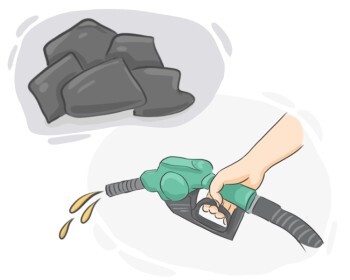
fossil fuel

a fuel that is found in nature and obtained from the remains of plants and animals that died millions of years ago, such as coal and gas

Ex: Burning fossil fuels releases carbon dioxide into the atmosphere. 
Close
Sign in
alternative fuel

any fuel that can be used instead of fossil fuels

Ex: Many people are switching to cars that run on alternative fuel to reduce pollution. 
Close
Sign in
sustainable
sustainable
[Adjective]

using natural resources in a way that causes no harm to the environment
Ex: The farm practices sustainable agriculture. 
Close
Sign in
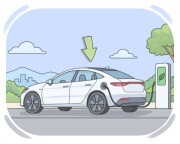
zero-emission
zero-emission
[Adjective]

(of a vehicle) not producing gases harmful to the environment

Ex: Electric vehicles are considered zero-emission because they do not produce tailpipe emissions. 
Close
Sign in
environmentally friendly

referring to actions, products, or practices that aim to preserve or protect the natural environment
Ex: The company is committed to producing environmentally friendly goods made from sustainable resources. 
Close
Sign in
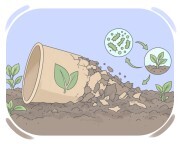
biodegradable
biodegradable
[Adjective]

(of an object) able to be broken down by living organisms such as bacteria, which is then safe for the environment
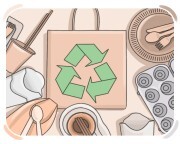
Ex: Biodegradable food waste can be composted and turned into nutrient-rich soil. 
Close
Sign in
eco-friendly
eco-friendly
[Adjective]

referring to products, actions, or practices that are designed to cause minimal harm to the environment
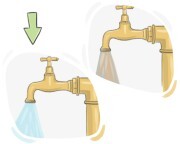
Ex: The company switched to eco-friendly packaging made from recycled materials. 
Close
Sign in
to refine
to refine
[Verb]

to remove unwanted or harmful substances from another substance
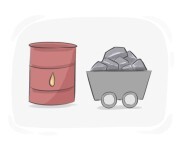
Ex: The water treatment plant uses filtration methods to refine drinking water and remove contaminants. 
Close
Sign in
preservation

the action of keeping something the way it is or in good condition

Close
Sign in
nonrenewable
nonrenewable
[Adjective]

(of a natural resource or source of energy) existing in limited amounts and not replaceable after being used

Ex: Oil is a nonrenewable resource that will eventually run out if we continue to use it at the current rate. 
Close
Sign in
conservation

the protection of the natural environment and resources from wasteful human activities
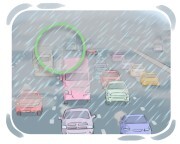
Ex: Conservation efforts are crucial to preserving endangered species and their habitats. 
Close
Sign in
acid rain
acid rain
[noun]

rain containing a great deal of acidic chemicals, caused by air pollution, which can harm the environment
Ex: The once-clear mountain stream turned murky after years of acid rain falling on its watershed. 
Close
Sign in
carbon footprint

the amount of carbon dioxide that an organization or person releases into the atmosphere
Ex: Flying frequently increases your carbon footprint significantly. 
Close
Sign in
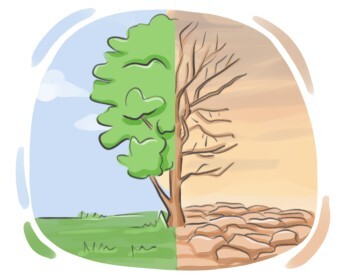
climate change

a permanent change in global or regional climate patterns, including temperature, wind, and rainfall
Ex: Climate change is a major concern for future generations. 
Close
Sign in
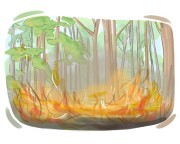
wildfire
wildfire
[noun]

a large fire that spreads fast and causes much destruction
Ex: The wildfire spread rapidly through the dry forest due to strong winds. 
Close
Sign in
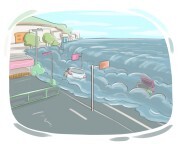
tsunami
tsunami
[noun]

a very high wave or series of waves caused by an undersea earthquake or volcanic eruption
Ex: The devastating tsunami in 2004 wreaked havoc across coastal regions of Southeast Asia. 
Close
Sign in
toxic
toxic
[Adjective]

consisting of poisonous substances

Ex: The toxic fumes emitted by the factory posed a serious threat to the health of nearby residents. 
Close
Sign in
pollutant
pollutant
[noun]

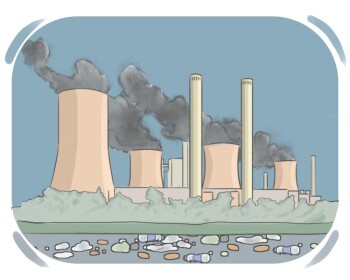
any substance that is harmful to the environment
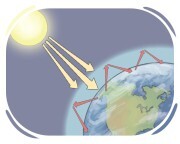
Ex: Carbon dioxide is a major greenhouse gas pollutant emitted from burning fossil fuels. 
Close
Sign in
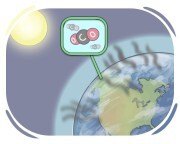
greenhouse effect

a global problem that is caused by the increase of harmful gases such as carbon dioxide which results in gradual warming of the earth
Ex: The greenhouse effect is a natural phenomenon vital for sustaining life on Earth, but the enhanced greenhouse effect caused by human activities has accelerated climate change and its associated impacts. 
Close
Sign in
smog
smog
[noun]

a combination of smoke and fog that is considered a form of air pollution
Ex: The city's smog was so thick that it reduced visibility, making it difficult for drivers to see the road ahead. 
Close
Sign in
ozone layer

a layer of gases in the earth's atmosphere that does not let the sun's ultraviolet radiation pass through
Ex: The ozone layer is a region of the Earth's stratosphere that absorbs most of the sun's ultraviolet radiation. 
Close
Sign in
eruption
eruption
[noun]

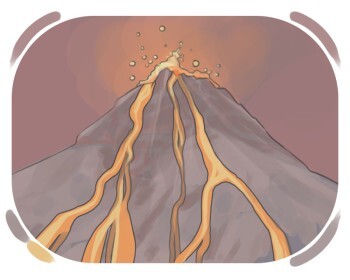
the sudden outburst of lava and steam from a volcanic mountain
Ex: The volcanic eruption sent ash and lava flowing down the mountainside. 
Close
Sign in
deforestation

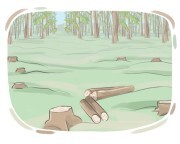
the extensive removal of forests, typically causing environmental damage
Ex: Large-scale deforestation is driven by the demand for agricultural land. 
Close
Sign in
to contaminate

to make a place, substance, etc. dirty or harmful by adding dangerous material
Ex: The factory's discharge pipes contaminated the river with toxic chemicals. 
Close
Sign in
consumption

the act of using up something, such as resources, energy, or materials

Ex: The rapid consumption of fuel raised concerns about sustainability. 
Close
Sign in
blizzard
blizzard
[noun]

a storm with heavy snowfall and strong winds
Ex: The blizzard made driving conditions hazardous. 
Close
Sign in
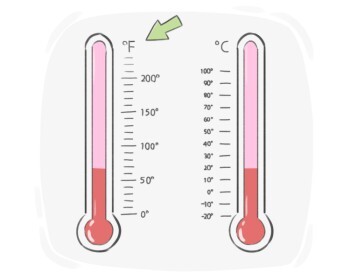
Fahrenheit
Fahrenheit
[Adjective]

related to or using a temperature scale on which water boils at 212° and freezes at 32°
Ex: The forecast said it would be 86 degrees Fahrenheit today. 
Close
Sign in
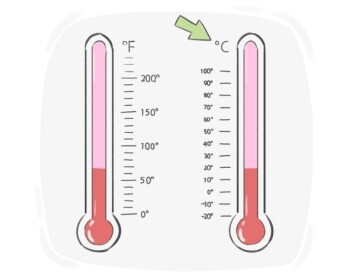
centigrade
centigrade
[Adjective]

related to or using a temperature scale on which water boils at 100° and freezes at 0°
Ex: The weather reached 40 degrees centigrade today. 
Close
Sign in
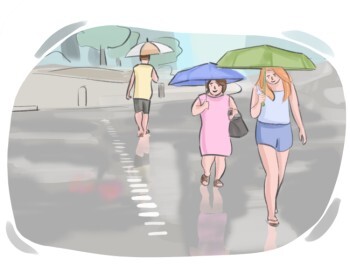
humid
humid
[Adjective]

(of the climate) having a lot of moisture in the air, causing an uncomfortable and sticky feeling
Ex: The humid weather made the air feel heavy and sticky. 
Close
Sign in
monsoon
monsoon
[noun]

a period in the summer during which wind blows and rain falls in India or other hot South Asian countries

Ex: Farmers eagerly anticipate the monsoon season as it brings much-needed rainfall to replenish parched fields and ensure a successful harvest. 
Close
Sign in
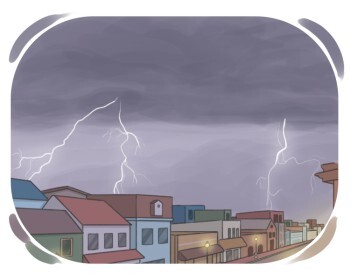
thunder
thunder
[noun]

the loud crackling noise that is heard from the sky during a storm

Ex: The thunder rattled the windows during the intense storm. 
Close
Sign in
LanGeek
Download LanGeek app