


pattern

Dovednosti s SAT Slovy 1 - Lekce 19

Revize

Kartičky

tvary

Pravopis

Kvíz

Začněte se učit
SAT Word Skills 1
orthodox
orthodox
[Přídavné jméno]

following established beliefs, traditions, or accepted standards

ortodoxní, tradiční

ortodoxní, tradiční

Ex: He held orthodox views on religious practices. 

Měl ortodoxní názory na náboženské praktiky.

orthodoxy
orthodoxy
[Podstatné jméno]

a commonly held belief or attitude that conforms to traditional norms and expectations

ortodoxie, konformita

ortodoxie, konformita

Ex: The rebellious artist constantly challenged the orthodoxy of the art community, sparking both criticism and admiration. 

Vzpurný umělec neustále zpochybňoval ortodoxii umělecké komunity, což vyvolalo jak kritiku, tak obdiv.

grandeur
grandeur
[Podstatné jméno]

the striking magnificence or impressive beauty of something

velkolepost

velkolepost

Ex: The royal wedding was an event of unparalleled grandeur, attracting attention from around the world. 

Královská svatba byla událostí nepřekonatelné velkoleposti, která přitáhla pozornost z celého světa.

grandiloquence
grandiloquence
[Podstatné jméno]

a way of speaking or writing that uses more complicated words than necessary and tries to sound smart

grandilokvence, nadhánka

grandilokvence, nadhánka

Ex: Her speech had a lot of grandiloquence, making it hard for the kids to understand. 

Její projev byl plný velkoleposti, což dětem ztěžovalo porozumění.

grandiloquent
grandiloquent
[Přídavné jméno]

expressing oneself in a lofty or overly elaborate manner to impress others

okázalý, nadnesený

okázalý, nadnesený

Ex: His grandiloquent speech was full of flowery language but lacked substance. 

Jeho okázalý projev byl plný květnatého jazyka, ale postrádal podstatu.

grandiose
grandiose
[Přídavné jméno]

overly impressive in size or appearance, often to the point of being excessive or showy in a negative way

velkolepý, okázalý

velkolepý, okázalý

Ex: Her grandiose sense of self-importance made it difficult for her to connect with others. 

Její velkolepý pocit vlastní důležitosti jí ztěžoval spojení s ostatními.
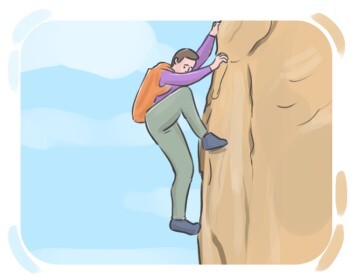
mountaineer
mountaineer
[Podstatné jméno]

a person who engages in the activity of climbing mountains

horolezec, lezec

horolezec, lezec

Ex: His dream, ever since he was a child, was to become a mountaineer and stand atop the world's tallest mountains. 

Jeho snem, od dětství, bylo stát se horolezcem a stát na vrcholcích nejvyšších hor světa.

mountainous
mountainous
[Přídavné jméno]

substantial or grand on a scale similar to that of a mountain

hornatý, působivý

hornatý, působivý

Ex: The mountainous skyscraper towered over all the other buildings in the city. 

Horský mrakodrap čněl nad všemi ostatními budovami ve městě.

to alter
to alter
[sloveso]

to cause something to change

změnit, upravit

změnit, upravit

Ex: The architect altered the design after receiving feedback from the client. 

Architekt upravil design poté, co obdržel zpětnou vazbu od klienta.
alteration
alteration
[Podstatné jméno]

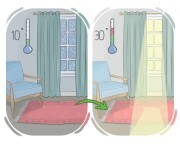
the act or process of changing the form, appearance, or condition of something

Ex: she took her dress to the tailor for an alteration before the big event. 
to altercate
to altercate
[sloveso]

to have a serious and heated argument with someone, often involving raised voices

hádat se, vést vášnivou diskuzi

hádat se, vést vášnivou diskuzi

Ex: The siblings would often altercate over who got control of the TV remote. 

Sourozenci se často hádali o to, kdo bude ovládat televizní ovladač.

to alternate
to alternate
[sloveso]

to take turns doing something

střídat se, střídat

střídat se, střídat

Ex: In the long drive, the couple would alternate driving every two hours to avoid fatigue. 

Během dlouhé jízdy by se pár střídal v řízení každé dvě hodiny, aby se vyhnul únavě.
alternative
alternative
[Přídavné jméno]

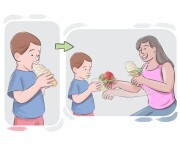
available as an option for something else

alternativní, náhradní

alternativní, náhradní

Ex: The alternative method saved them a lot of time. 

Alternativní metoda jim ušetřila spoustu času.
retroactive
retroactive
[Přídavné jméno]

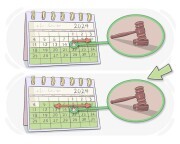
applied or taken effect from a past date or event

retroaktivní, zpětný

retroaktivní, zpětný

Ex: His promotion came with a retroactive pay adjustment. 

Jeho povýšení přišlo s zpětnou úpravou platu.

to retrograde
to retrograde
[sloveso]

to revisit or return to previous steps, decisions, or stages

ustupovat, vrátit se k předchozím krokům

ustupovat, vrátit se k předchozím krokům

Ex: The teacher asked the students to retrograde their lessons to ensure they understood the basics. 

Učitel požádal studenty, aby se vrátili ke svým lekcím, aby se ujistili, že rozumí základům.

to retrogress
to retrogress
[sloveso]

to return to negative behaviors or habits from the past

ustupovat, vrátit se ke starým zvykům

ustupovat, vrátit se ke starým zvykům

Ex: The support group aimed to prevent individuals from retrogressing into negative behavioral patterns. 

Podpůrná skupina měla za cíl zabránit jednotlivcům v návratu k negativním behaviorálním vzorcům.

to retrospect
to retrospect
[sloveso]

to look back on past events

ohlížet se zpět, přemýšlet o minulosti

ohlížet se zpět, přemýšlet o minulosti

Ex: Every year, on his birthday, Jack retrospects on the accomplishments and lessons from the previous year. 

Každý rok na své narozeniny se Jack ohlédne za úspěchy a ponaučeními z předchozího roku.
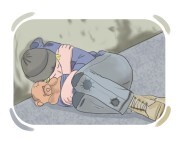
indigent
indigent
[Přídavné jméno]

extremely poor or in need

chudý, nuzný

chudý, nuzný

Ex: The nonprofit organization aimed to provide support and resources for the indigent community. 

Nezisková organizace měla za cíl poskytnout podporu a zdroje potřebné komunitě.
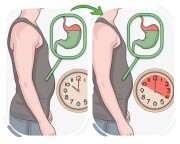
indigestible
indigestible
[Přídavné jméno]

(of substances) challenging for the body to break down and digest

nestravitelný

nestravitelný

Ex: The doctor recommended avoiding indigestible fibers when suffering from a sensitive stomach. 

Lékař doporučil vyhýbat se nestravitelným vláknům při citlivém žaludku.

indigestion
indigestion
[Podstatné jméno]

inability to digest food that leads to recurrent pain or discomfort in one's upper abdomen

zažívací potíže

zažívací potíže

Ex: When traveling to new places, it's common for tourists to experience indigestion due to unfamiliar cuisines. 

Při cestování na nová místa je běžné, že turisté zažívají zažívací potíže kvůli neznámé kuchyni.

LanGeek
Stáhnout aplikaci LanGeek