
Kniha Street Talk 3 - Lekce 9
Naučte se slovní zásobu, neformální výrazy a konverzační angličtinu uvedené v Street Talk 3 Lekce 9.
Revize
Kartičky
Pravopis
Kvíz

![to [have] another thing coming](/assets/img/no-pic-700w.png "to [have] another thing coming")
to say that someone's opinion or judgment is completely wrong

hodně se plést, čeká ho nepříjemné překvapení
Jestli si myslí, že si nevšimneme chybějících peněz, hodně se pletou.
to repeatedly try to do or achieve something without success
marně se snažit, narážet na zeď
Snažit se opravit starý systém bylo jako narážet hlavou do zdi.
used to introduce a thought or realization that occurred to one during a conversation
když se nad tím zamyslím, teď
Diskutovali jsme o rozpočtu a, když se nad tím zamyslím, možná budeme muset přidělit více prostředků na marketing.
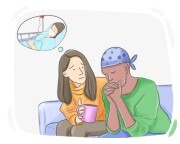
in a similar or identical situation to someone else, particularly a difficult or unpleasant one
být na jeho místě, v jeho situaci
Kritizovat je snadné, když nejsi na jejich místě.
to violently criticize or punish a person over what they did or said
pořádně někomu vyčinit, dát někomu co proto
Jestli zjistí, kdo ten e-mail vynesl, pořádně mu vyčiní.
to directly tell a person a fact, usually one that is unpleasant
říct to někomu na rovinu, říct pravdu bez obalu
Vážil si jí, protože mu vždycky řekla pravdu na rovinu.
![to [nip] {sth} in the bud](https://cdn.langeek.co/photo/21278/thumb/350?type=jpeg "to [nip] {sth} in the bud")
to immediately prevent something, particularly something problematic, before it has time to develop
zarazit v zárodku, utnout hned na začátku
Když tu malou chybu teď přehlédneme, naroste; zarazme ji hned v zárodku.
![to [take] {sth} in stride](https://cdn.langeek.co/photo/43202/thumb/350?type=jpeg "to [take] {sth} in stride")
to calmly cope with something that is difficult or disturbing
vzít to s klidem, zvládnout to bez paniky
Náhlou změnu vzal s klidem a pokračoval v práci.
to intentionally not take action or not address an issue or problem, especially when one should have, often resulting in a negative consequence
to suffer or endure something unfair without ever complaining or protesting
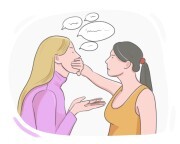
not allowed or possible
nepřipadá v úvahu, vyloučené
Nechat děti přes noc samotné nepřipadá v úvahu.
to make changes to one's behavior or mindset in order to become a better and more responsible person
polepšit se, začít znovu a lépe
Dřív byl s penězi lehkomyslný, ale polepšil se.
