
El libro Street Talk 3 - Lección 9
Revisión
Tarjetas de memoria
Ortografía
Cuestionario

![to [have] another thing coming](/assets/img/no-pic-700w.png "to [have] another thing coming")
to say that someone's opinion or judgment is completely wrong

estar muy equivocado, llevarse una sorpresa
Si espera que aceptemos esa excusa, está muy equivocada.
to repeatedly try to do or achieve something without success
darse contra un muro, esforzarse en vano
Si la dirección no escucha, nos estamos dando contra un muro.
used to introduce a thought or realization that occurred to one during a conversation
ahora que lo pienso, pensándolo bien
Estábamos discutiendo nuestros planes de viaje, y ahora que lo pienso, podría necesitar renovar mi pasaporte antes del viaje.
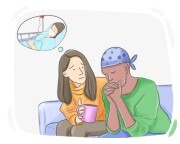
in a similar or identical situation to someone else, particularly a difficult or unpleasant one
en su lugar, en su situación
Cualquiera en tu lugar tendría miedo.
to violently criticize or punish a person over what they did or said
cantarle las cuarenta a alguien, echarle una bronca de cuidado
No le digas todavía a mamá lo del jarrón roto; me va a cantar las cuarenta.
to directly tell a person a fact, usually one that is unpleasant
decírselo claro, decir la verdad sin rodeos
Tras el lanzamiento fallido, se lo dijo claro al equipo.
![to [nip] {sth} in the bud](https://cdn.langeek.co/photo/21278/thumb/350?type=jpeg "to [nip] {sth} in the bud")
to immediately prevent something, particularly something problematic, before it has time to develop
cortar de raíz, atajar desde el principio
Cuando los niños empezaron a discutir, su padre lo atajó desde el principio.
![to [take] {sth} in stride](https://cdn.langeek.co/photo/43202/thumb/350?type=jpeg "to [take] {sth} in stride")
to calmly cope with something that is difficult or disturbing
tomárselo con calma, encajarlo bien
El equipo se tomó el retraso con calma y ajustó el calendario.
to intentionally not take action or not address an issue or problem, especially when one should have, often resulting in a negative consequence
to suffer or endure something unfair without ever complaining or protesting
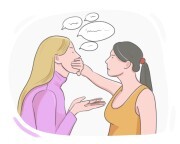
not allowed or possible
impensable, ni pensarlo
Usar dinero de la empresa para un viaje personal está totalmente descartado.
to make changes to one's behavior or mindset in order to become a better and more responsible person
enmendarse, empezar de nuevo
Después de años de problemas, decidió enmendarse y convertirse en un mejor padre.
