pattern

Гуманитарные Науки ACT - Причинность и Интенциональность

Изучите лексику ACT по гуманитарным наукам для причинности и интенциональности, включая причины, следствия, мотивы, цели, последствия, намерения и связи между действиями и результатами.

Обзор

Флэш-карточки

формы

Правописание

Тест

Начать учиться
ACT Vocabulary for Humanities
instigation
instigation
[существительное]

the act of causing something to begin or occur

подстрекательство

подстрекательство

Закрыть
Войти
stimulus
stimulus
[существительное]

something that causes or prompts a physical, psychological, or behavioral response

раздражитель

раздражитель

Ex: The pupils contract in response to a bright-light stimulus. 
Закрыть
Войти
foundation
foundation
[существительное]

the core principles or base upon which something is started, developed, calculated, or explained

основа, фундамент

основа, фундамент

Ex: Trust is the foundation of a healthy relationship. 
Закрыть
Войти
underpinning
underpinning
[существительное]

a set of opinions, motives, or ideas that serve as a foundation of an argument, claim, etc.

основа

основа

Закрыть
Войти
causality
causality
[существительное]

the relationship between a cause and its effect

причинность

причинность

Ex: Researchers explored the causality between smoking and lung cancer. 

Исследователи изучили причинно-следственную связь между курением и раком легких.

Закрыть
Войти
premise
premise
[существительное]

a theory or statement that acts as the foundation of an argument

предположение

предположение

Ex: The argument rests on the premise that everyone has equal access to information. 
Закрыть
Войти
outcome
outcome
[существительное]

the result or consequence that follows from a previous action, event, or situation

результат, исход

результат, исход

Ex: The policy produced an unexpected outcome. 
Закрыть
Войти
to invoke
to invoke
[глагол]

to bring about or cause something to happen

вызывать, провоцировать

вызывать, провоцировать

Ex: The speech invoked strong emotions in the crowd, leading to spontaneous applause. 
Закрыть
Войти
to underlie
to underlie
[глагол]

to serve as the foundation or primary cause for something

лежать в основе

лежать в основе

Ex: Cultural traditions underlie many of the festivals and celebrations we see around the world. 

Культурные традиции лежат в основе многих фестивалей и празднований, которые мы видим по всему миру.

Закрыть
Войти
to precipitate
to precipitate
[глагол]

to bring about or accelerate the occurrence of something, often resulting in unexpected or unfavorable consequences

ускорять, спровоцировать

ускорять, спровоцировать

Ex: The sudden resignation of key members from the team may precipitate a breakdown in the project timeline. 

Внезапная отставка ключевых членов команды может ускорить срыв сроков проекта.

Закрыть
Войти
to catalyze
to catalyze
[глагол]

to initiate or accelerate a process

катализировать, ускорять

катализировать, ускорять

Ex: A well-timed conversation can catalyze a shift in perspective, leading to personal growth and self-discovery. 

Своевременный разговор может катализировать сдвиг в перспективе, приводя к личностному росту и самопознанию.

Закрыть
Войти
to prompt
to prompt
[глагол]

to cause an event, reaction, or situation to occur

побуждать

побуждать

Ex: The announcement prompted widespread criticism. 
Закрыть
Войти
to pose
to pose
[глагол]

to introduce danger, a threat, problem, etc.

представлять собой опасность

представлять собой опасность

Ex: The damaged bridge poses a serious risk to drivers. 
Закрыть
Войти
to stem
to stem
[глагол]

to originate or develop as a result of something

происходить

происходить

Ex: Many of the delays stem from a shortage of trained workers. 
Закрыть
Войти
to animate
to animate
[глагол]

to invoke emotions, enthusiasm, or energy in people

анимировать

анимировать

Ex: The music animated the party, making everyone dance and laugh. 

Музыка оживила вечеринку, заставив всех танцевать и смеяться.

Закрыть
Войти
to elicit
to elicit
[глагол]

to make someone react in a certain way or reveal information

вызывать

вызывать

Ex: The detective skillfully posed questions to elicit a confession from the suspect. 

Детектив умело задавал вопросы, чтобы вызвать признание у подозреваемого.

Закрыть
Войти
to exert
to exert
[глагол]

to apply force, power, authority, or influence in order to produce an effect

воздействовать

воздействовать

Ex: The moon exerts a gravitational force on the Earth. 
Закрыть
Войти
to necessitate
to necessitate
[глагол]

to make something required due to specific circumstances

требовать, делать необходимым

требовать, делать необходимым

Ex: The company's expansion necessitated hiring more staff to meet growing demand. 

Расширение компании потребовало найма большего количества сотрудников для удовлетворения растущего спроса.

Закрыть
Войти
to incur
to incur
[глагол]

to experience or become subject to something unpleasant as a result of one's actions or circumstances

подвергаться

подвергаться

Ex: Daniel incurred a penalty for submitting the documents late. 
Закрыть
Войти
to spearhead
to spearhead
[глагол]

to be the person who leads something like an attack, campaign, movement, etc.

возглавлять

возглавлять

Ex: The general chose to spearhead the military offensive personally. 

Генерал решил лично возглавить военное наступление.

Закрыть
Войти
to incite
to incite
[глагол]

to encourage or provoke someone to take action

подстрекать, провоцировать

подстрекать, провоцировать

Ex: The impassioned speech was intended to incite the crowd to participate in the protest. 

Страстная речь была предназначена для того, чтобы подстрекать толпу к участию в протесте.

Закрыть
Войти
grassroots
grassroots
[прилагательное]

originating from the most basic level

базовый, народный

базовый, народный

Ex: The grassroots initiative focused on improving local healthcare through community-driven efforts. 

Народная инициатива была направлена на улучшение местного здравоохранения через усилия, движимые сообществом.

Закрыть
Войти
indicative
indicative
[прилагательное]

serving as a clear sign or signal of something

указывающий

указывающий

Ex: His calm demeanor during the crisis was indicative of his strong leadership abilities. 

Его спокойное поведение во время кризиса было показателем его сильных лидерских качеств.

Закрыть
Войти
conducive
conducive
[прилагательное]

leading to the desired goal or result by providing the right conditions

способствующий

способствующий

Ex: The quiet environment was conducive to studying. 

Тихая обстановка была благоприятной для учебы.

Закрыть
Войти
impulse
impulse
[существительное]

a sudden strong urge or desire to do something, often without thinking or planning beforehand

импульс

импульс

Ex: On an impulse, she bought the dress without checking the price. 
Закрыть
Войти
volition
volition
[существительное]

the faculty to use free will and make decisions

сила воли

сила воли

Ex: She chose to pursue a career in art of her own volition, following her passion rather than external pressures. 

Она решила продолжить карьеру в искусстве по своей собственной воле, следуя своей страсти, а не внешнему давлению.

Закрыть
Войти
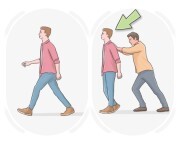
resistance
resistance
[существительное]

the act of opposing or refusing to accept something one disapproves of or disagrees with

сопротивление
сопротивление

Ex: The new policy faced strong resistance from employees. 
Закрыть
Войти
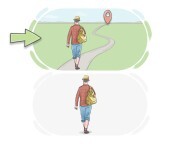
reluctant
reluctant
[прилагательное]

not welcoming or willing to do something because it is undesirable

неохотный

неохотный

Ex: Despite his love for adventure, he was reluctant to try bungee jumping because of his fear of heights. 

Несмотря на свою любовь к приключениям, он был неохотен попробовать банджи-джампинг из-за боязни высоты.
Закрыть
Войти
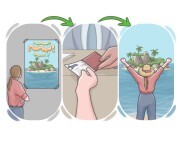
purposeful
purposeful
[прилагательное]

having a clear aim or intention

целенаправленный

целенаправленный

Ex: She walked with purposeful strides, determined to reach her destination. 

Она шла целенаправленными шагами, полная решимости достичь своей цели.
Закрыть
Войти
spontaneous
spontaneous
[прилагательное]

tending to act on impulse or in the moment

спонтанный

спонтанный

Ex: His spontaneous decision to take a road trip meant he left without even packing a bag. 

Его спонтанное решение отправиться в путешествие означало, что он уехал, даже не упаковав сумку.

Закрыть
Войти
senseless
senseless
[прилагательное]

without purpose or reason, often referring to violent or wasteful actions

бессмысленный, абсурдный

бессмысленный, абсурдный

Ex: The senseless destruction of the historical monument left the community in shock. 

Бессмысленное разрушение исторического памятника оставило сообщество в шоке.

Закрыть
Войти
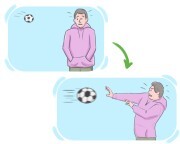
unintended
unintended
[прилагательное]

happening without being planned or deliberately caused

непреднамеренный, неожиданный

непреднамеренный, неожиданный

Ex: The unintended consequences of the policy change led to unexpected challenges for small businesses. 

Непреднамеренные последствия изменения политики привели к неожиданным вызовам для малого бизнеса.
Закрыть
Войти
involuntarily
involuntarily
[наречие]

without conscious control or will

непроизвольно, нечаянно

непроизвольно, нечаянно

Ex: She shuddered involuntarily when the cold air touched her skin. 

Она невольно вздрогнула, когда холодный воздух коснулся ее кожи.

Закрыть
Войти
deliberately
deliberately
[наречие]

in a way that is done consciously and intentionally

умышленно

умышленно

Ex: He deliberately ignored the warning signs. 

Он намеренно проигнорировал предупреждающие знаки.

Закрыть
Войти
inadvertently
inadvertently
[наречие]

by accident or through lack of attention

нечаянно, по невнимательности

нечаянно, по невнимательности

Ex: She inadvertently left her phone on the train. 

Она нечаянно оставила свой телефон в поезде.

Закрыть
Войти
readily
readily
[наречие]

in a willing and unhesitant manner

охотно

охотно

Ex: She readily accepted the invitation to speak at the conference. 

Она охотно приняла приглашение выступить на конференции.

Закрыть
Войти
unwittingly
unwittingly
[наречие]

without realizing or intending it

неосознанно, не зная

неосознанно, не зная

Ex: She unwittingly shared false information with her followers. 

Она неосознанно поделилась ложной информацией со своими подписчиками.

Закрыть
Войти
unthinkingly
unthinkingly
[наречие]

in a manner that shows a lack of thought or consideration

необдуманно, не задумываясь

необдуманно, не задумываясь

Ex: He unthinkingly agreed to the plan without understanding its consequences. 

Он необдуманно согласился на план, не понимая его последствий.

Закрыть
Войти
purposely
purposely
[наречие]

in a deliberate or intentional way

намеренно, умышленно

намеренно, умышленно

Ex: She purposely left the door unlocked to let the cat in. 

Она намеренно оставила дверь незапертой, чтобы впустить кошку.

Закрыть
Войти
wilfully
wilfully
[наречие]

in a deliberate and intentional manner

умышленно, намеренно

умышленно, намеренно

Ex: He wilfully ignored the rules, knowing full well the consequences. 

Он намеренно проигнорировал правила, прекрасно зная последствия.

Закрыть
Войти
LanGeek
Скачать приложение LanGeek
