
Humanistyka ACT - Przyczynowość i Intencjonalność
Naucz się słownictwa humanistycznego ACT dotyczącego przyczynowości i intencjonalności, w tym przyczyn, skutków, motywów, celów, konsekwencji, intencji i relacji między działaniami a wynikami.
Przegląd
Fiszki
formy
Pisownia
Test


something that causes or prompts a physical, psychological, or behavioral response

bodziec, impuls
the core principles or base upon which something is started, developed, calculated, or explained
podstawa, fundament
a set of opinions, motives, or ideas that serve as a foundation of an argument, claim, etc.
podstawa, fundament
the relationship between a cause and its effect
przyczynowość, związek przyczynowo-skutkowy
Dokument badał przyczynowość stojącą za katastrofą środowiskową.
a theory or statement that acts as the foundation of an argument
przesłanka, postulat
the result or consequence that follows from a previous action, event, or situation
wynik, rezultat
to bring about or cause something to happen
wzywać, wywoływać
Jego słowa zdawały się wywoływać gniew, ponieważ ludzie czuli się osobiście zaatakowani.
to serve as the foundation or primary cause for something
leżeć u podstaw, być podstawową przyczyną
Zasady sprawiedliwości leżą u podstaw nowych zmian w polityce.
to bring about or accelerate the occurrence of something, often resulting in unexpected or unfavorable consequences
przyspieszyć, wywołać
Jego uwagi podczas konferencji prasowej mają potencjał, aby przyspieszyć incydent dyplomatyczny.
to initiate or accelerate a process
katalizować, przyspieszać
Zmiany w polityce są niezbędne do przyspieszenia poprawy w zakresie zrównoważonego rozwoju środowiska i walki ze zmianami klimatycznymi.
to cause an event, reaction, or situation to occur
wywołać, skłonić

to introduce danger, a threat, problem, etc.
stanowić, stwarzać
to originate or develop as a result of something
wynikać, pochodzić
to invoke emotions, enthusiasm, or energy in people
ożywiać, pobudzać
Aromat świeżej kawy ożywił poranek, podnosząc na duchu wszystkich.
to make someone react in a certain way or reveal information
wywołać, uzyskać
Dociekliwe pytania dziennikarza podczas wywiadu miały na celu wywołanie szczerych odpowiedzi od rozmówcy.
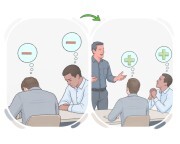
to apply force, power, authority, or influence in order to produce an effect
to make something required due to specific circumstances
wymagać, czynić koniecznym
Zmiana polityki wymagała przeszkolenia pracowników w celu dostosowania się do nowych przepisów.

to experience or become subject to something unpleasant as a result of one's actions or circumstances
ponieść

to be the person who leads something like an attack, campaign, movement, etc.
przewodzić, stać na czele
Wizjonerski przywódca kierował rozwojem przełomowych technologii.

to encourage or provoke someone to take action
podżegać, prowokować
Jej pełne pasji słowa podburzyły wolontariuszy do natychmiastowego działania.
originating from the most basic level
oddolny, ludowy
Promując edukację podstawową, chcieli osiągnąć długoterminowy wpływ na wskaźniki alfabetyzacji.
serving as a clear sign or signal of something
wskazujący, charakterystyczny
Jej wysokie wyniki testów były wskazówką jej akademickiej biegłości.
leading to the desired goal or result by providing the right conditions
sprzyjający, korzystny
Otwarta komunikacja między członkami zespołu sprzyja współpracy.
a sudden strong urge or desire to do something, often without thinking or planning beforehand
impuls, nagła chęć
Jego impulsem było przemówienie, ale powstrzymał się, aby uniknąć konfliktu.
the faculty to use free will and make decisions
wola, wolna wola
Możliwość głosowania jest wyrazem własnej woli w społeczeństwie demokratycznym.
the act of opposing or refusing to accept something one disapproves of or disagrees with
opór, sprzeciw
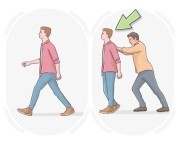
not welcoming or willing to do something because it is undesirable
niechętny, oporny
Mimo swojego talentu, była niechętna występować przed publicznością z powodu tremy.
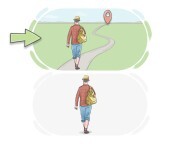
having a clear aim or intention
celowy, zdecydowany
Dzięki celowemu planowaniu zorganizowali wydarzenie, aby zapewnić jego sukces.

tending to act on impulse or in the moment
spontaniczny, impulsywny
Jego spontaniczny śmiech wypełnił pokój, zaskakując wszystkich swoją nagłością i radością.
without purpose or reason, often referring to violent or wasteful actions
bez sensu, absurdalny
Bezsensowne okrucieństwo wobec zwierząt zostało potępione przez wielu.
happening without being planned or deliberately caused
niezamierzony, niespodziewany
Aktualizacja oprogramowania spowodowała niezamierzone błędy i awarie systemu.
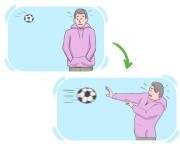
without conscious control or will
mimowolnie, bezwiednie
Dziecko mimowolnie krzyknęło po głośnym huku.

in a way that is done consciously and intentionally
celowo, umyślnie
Celowo opóźnili spotkanie, aby zyskać więcej czasu.
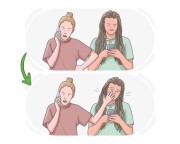
by accident or through lack of attention
nieumyślnie, przez nieuwagę
Niechcący usunąłem ważny e-mail.
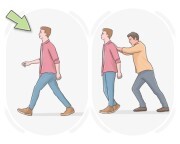
in a willing and unhesitant manner
chętnie, bez wahania
Chętnie oddałem swoje miejsce starszemu mężczyźnie.
without realizing or intending it
nieświadomie, nie wiedząc
Niechcący usunąłem plik podczas czyszczenia pulpitu.
in a manner that shows a lack of thought or consideration
nierozważnie, bezmyślnie
Bez zastanowienia, odrzucił list na bok, nieświadomy jego znaczenia.
in a deliberate or intentional way
celowo, umyślnie
Celowo opóźnili projekt, aby zyskać więcej czasu.
in a deliberate and intentional manner
umyślnie, celowo
Dziecko umyślnie nie słuchało swoich rodziców, wystawiając ich cierpliwość na próbę.
