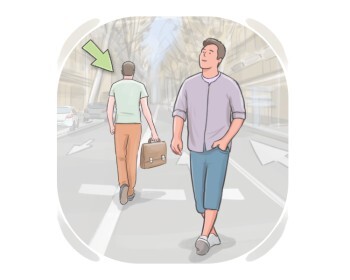
pattern

运动动词 - 远离某物的动词

在这里,你将学习一些英语动词,指的是远离某物,如“离开”、“离开”和“逃离”。

审查

闪卡

词形

拼写

测验

开始学习
Categorized English Verbs of Movement
to go
to go
[动词]

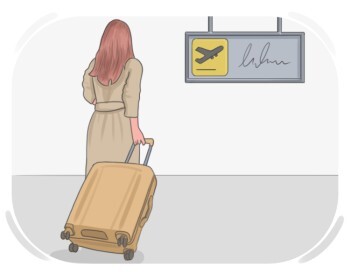
to travel or move from one location to another

去, 移动
去, 移动

Ex: Does this train go to the airport?

这列火车机场吗?

关闭
登录
to leave
to leave
[动词]

to go away from somewhere

离开, 走

离开, 走

Ex: I need to leave for the airport in an hour .

我需要在一小时内离开去机场。

关闭
登录
to depart
to depart
[动词]

to leave a location, particularly to go on a trip or journey

出发

出发

Ex: Students gathered at the bus stop , ready to depart for their field trip to the science museum .

学生们聚集在公交车站,准备出发前往科学博物馆进行实地考察。

关闭
登录
to get out
to get out
[动词]

to leave somewhere such as a room, building, etc.

出去, 离开

出去, 离开

Ex: I told him to get out of my room when he started snooping through my things.

当他开始翻我的东西时,我告诉他从我的房间里出去

关闭
登录
to go away
to go away
[动词]

to move from a person or place

离开, 走开

离开, 走开

Ex: The rain had finally stopped , and the clouds began to go away.

雨终于停了,云开始散去

关闭
登录
to emigrate
to emigrate
[动词]

to leave one's own country in order to live in a foreign country

移民, 移居国外

移民, 移居国外

Ex: In the 19th century , large numbers of Europeans chose to emigrate to the United States in pursuit of a brighter future .

在19世纪,大量欧洲人选择移民到美国以追求更光明的未来。

关闭
登录
to leave behind

to leave without taking someone or something with one

留下, 抛弃

留下, 抛弃

Ex: The family left behind their belongings in the rush to evacuate the burning building .

这家人匆忙撤离燃烧的大楼时,留下了他们的财物。

关闭
登录
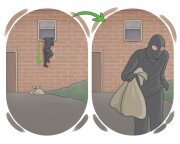
to run off
to run off
[动词]

to leave somewhere with something that one does not own

带着...跑掉, 偷走

带着...跑掉, 偷走

Ex: The police were alerted when someone saw a person running off with a bicycle from the park.

当有人看到一个人从公园里跑掉时带着一辆自行车时,警察被警报了。

关闭
登录
to walk out
to walk out
[动词]

to leave suddenly, especially to show discontent

突然离开, 离开以示抗议

突然离开, 离开以示抗议

Ex: She was so upset with the meeting that she decided to walk out.

她对会议非常不满,决定突然离开

关闭
登录
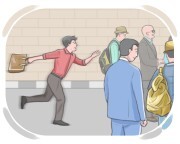
to make off
to make off
[动词]

to leave quickly, often in order to escape or avoid someone or something

逃跑, 溜走

逃跑, 溜走

Ex: He tried to make off with the documents but was caught at the door .

他试图带着文件溜走,但在门口被抓住了。

关闭
登录
to absquatulate

to leave abruptly or hurriedly, especially to avoid a difficult or awkward situation

溜走, 突然离开

溜走, 突然离开

Ex: The cat , not a fan of the bath , managed to absquatulate from the bathtub before getting wet .

这只猫不喜欢洗澡,在弄湿之前设法从浴缸中溜走了

关闭
登录
to scram
to scram
[动词]

to move hurriedly, especially to escape or to leave a place abruptly

匆忙离开, 逃走

匆忙离开, 逃走

Ex: The cat , startled by the loud noise , decided to scram and hide under the furniture .

猫被巨大的声响吓了一跳,决定溜走并躲在家具下面。

关闭
登录
to egress
to egress
[动词]

to come out of or leave a place

离开, 疏散

离开, 疏散

Ex: The hikers waited until dawn to egress the forest .

徒步旅行者等到黎明才离开森林。

关闭
登录
to move on
to move on
[动词]

to depart or leave a specific location

离开, 继续前进

离开, 继续前进

Ex: As the concert ended , the security personnel asked everyone to move on.

音乐会结束时,安保人员要求所有人继续前进

关闭
登录
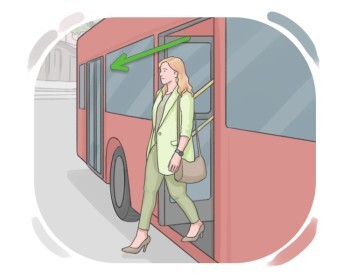
to exit
to exit
[动词]

to leave a place, vehicle, etc.

离开, 退出

离开, 退出

Ex: In case of a fire drill , employees are instructed to calmly exit the building .

在消防演习的情况下,员工被指示冷静地离开建筑物。

关闭
登录
to abandon
to abandon
[动词]

to leave a place, especially because it is difficult or dangerous to stay

放弃, 抛弃

放弃, 抛弃

Ex: The toxic fumes forced workers to abandon the factory .

有毒烟雾迫使工人放弃工厂。

关闭
登录
to desert
to desert
[动词]

to abandon or leave a place, typically suddenly or without intending to return

抛弃, 遗弃
抛弃, 遗弃

Ex: Fearing for their safety , the refugees deserted the city at the first sign of violence .

由于担心自身安全,难民们在暴力的第一个迹象出现时就抛弃了这座城市。

关闭
登录
to evacuate
to evacuate
[动词]

to leave a place to be safe from a dangerous situation

疏散, 离开

疏散, 离开

Ex: A chemical spill near the industrial area prompted citizens to evacuate nearby neighborhoods .

工业区附近的化学品泄漏促使市民撤离附近社区。

关闭
登录
to vacate
to vacate
[动词]

to move out of or exit a place that one previously occupied

腾出, 搬离

腾出, 搬离

Ex: The company decided to vacate the outdated warehouse .

公司决定腾出过时的仓库。

关闭
登录
to move away
to move away
[动词]

to go to live in another area

搬走, 远离

搬走, 远离

Ex: Ever since they moved away, our weekend gatherings have become less frequent .

自从他们搬走以后,我们的周末聚会就变得不那么频繁了。

关闭
登录
to move out
to move out
[动词]

to change the place we live or work

搬出, 离开家

搬出, 离开家

Ex: They decided to move out after the increase in rent .

在租金上涨后,他们决定搬出去

关闭
登录
to flee
to flee
[动词]

to escape danger or from a place

逃跑, 逃离

逃跑, 逃离

Ex: The frightened deer fled as a predator approached .

受惊的鹿在捕食者接近时逃走了

关闭
登录
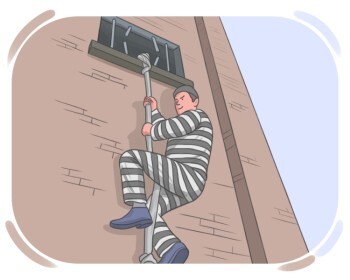
to escape
to escape
[动词]

to get away from captivity

逃跑, 逃脱

逃跑, 逃脱

Ex: The bird escaped from its cage when the door was left open.

当门被打开时,鸟从笼子里逃脱了。

关闭
登录
to run away
to run away
[动词]

to escape from or suddenly leave a specific place, situation, or person, often in a hurried manner

逃跑, 逃走

逃跑, 逃走

Ex: During the chaos of the riot , some protesters tried to run away from the tear gas .

在骚乱的混乱中,一些抗议者试图从催泪瓦斯中逃跑

关闭
登录
to fly
to fly
[动词]

to move away from something quickly, often with a sense of urgency or as a response to danger

飞走, 逃跑

飞走, 逃跑

Ex: As the tree branch began to crack , the pedestrians had to fly away from its path to avoid being hit .

当树枝开始断裂时,行人不得不从它的路径上走以避免被击中。

关闭
登录
to scarper
to scarper
[动词]

to leave or run away hastily, often with the intention of avoiding trouble, responsibility, or capture

溜走, 逃跑

溜走, 逃跑

Ex: The suspect scarpered from the crime scene , evading the pursuing police officers .

嫌疑人从犯罪现场逃跑了,躲避了追捕的警察。

关闭
登录
to slip away
to slip away
[动词]

to depart quietly and without being noticed

悄悄溜走, 不辞而别

悄悄溜走, 不辞而别

Ex: Trying to avoid a confrontation , he decided to slip away from the heated argument quietly .

为了避免对抗,他决定从激烈的争论中悄悄地溜走

关闭
登录
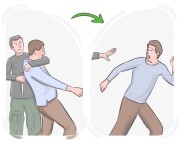
to break away

to escape from a person who is holding one

逃脱, 挣脱

逃脱, 挣脱

Ex: The protesters tried to break away from the police blockade and continue their march .

抗议者试图从警察的封锁中逃脱并继续他们的游行。

关闭
登录
to abscond
to abscond
[动词]

to secretly flee from a place, typically to avoid arrest or prosecution

潜逃, 逃跑

潜逃, 逃跑

Ex: He absconded from the prison last night .

他昨晚从监狱逃脱了。

关闭
登录
to outrun
to outrun
[动词]

to move at a greater speed than someone or something

超过, 甩开

超过, 甩开

Ex: The gazelle 's incredible agility allowed it to outrun the pursuing lions .

瞪羚令人难以置信的敏捷性使它能够超过追逐的狮子。

关闭
登录
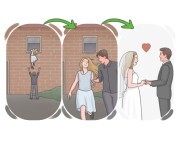
to elope
to elope
[动词]

to run away secretly and marry one's partner

私奔, 秘密结婚

私奔, 秘密结婚

Ex: Mark and Maria made the spontaneous decision to elope in a charming European city .

马克和玛丽亚做出了在迷人的欧洲城市私奔结婚的自发决定。

关闭
登录
to recede
to recede
[动词]

to move back or withdraw from a previous position or state

后退, 撤回

后退, 撤回

Ex: The waves receded, revealing a vast stretch of sandy beach after the high tide had swept in .

潮水退去后,露出了大片沙滩。

关闭
登录
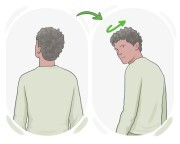
to turn away
to turn away
[动词]

to reposition oneself to avoid facing a particular individual or object

转身, 背对

转身, 背对

Ex: They turned their faces away from the blinding sunlight.

他们转过脸去避开刺眼的阳光。

关闭
登录
LanGeek
下载LanGeek应用程序