
Verbos de Movimiento - Verbos para el movimiento alejándose de algo
Aquí aprenderás algunos verbos en inglés que se refieren a alejarse de algo como "partir", "dejar", y "huir".
Revisión
Tarjetas de memoria
formas
Ortografía
Cuestionario

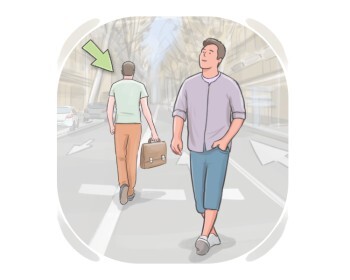
to travel or move from one location to another

ir
Han ido a Australia dos veces y les encantó la experiencia.
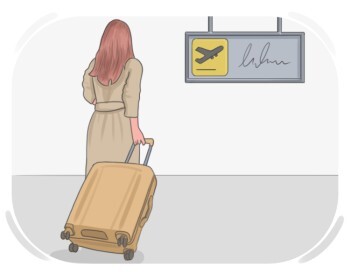
to go away from somewhere
dejar
El autobús saldrá en cinco minutos, ¡así que date prisa!
to leave a location, particularly to go on a trip or journey
salir
Se solicita amablemente a los pasajeros que estén en el aeropuerto dos horas antes de la hora de salida de sus vuelos.
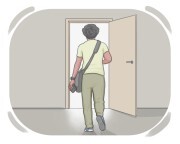
to leave somewhere such as a room, building, etc.
salir
La alarma sonó, y todos se apresuraron para salir del edificio.
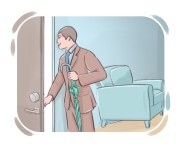
to move from a person or place
irse, marcharse
Ella le dijo al vendedor persistente que se fuera porque no estaba interesada.
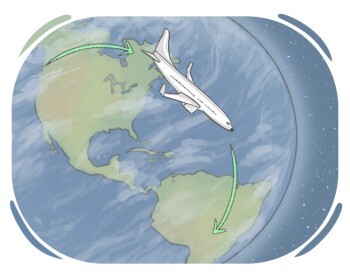
to leave one's own country in order to live in a foreign country
emigrar
Después de años de cuidadosa planificación, la familia Smith decidió emigrar de su tierra natal.
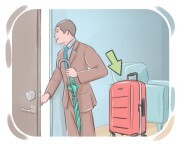
to leave without taking someone or something with one
dejar atrás
El soldado había dejado atrás a sus compañeros en la batalla.
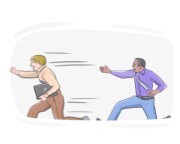
to leave somewhere with something that one does not own
huir con, irse con
Alguien se escapó con mi paraguas mientras estaba brevemente dentro de la tienda.
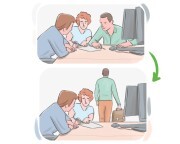
to leave suddenly, especially to show discontent
salir
Los estudiantes abandonaron la conferencia como forma de protesta.
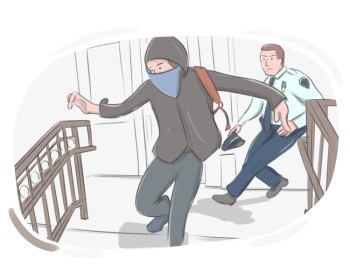
to leave quickly, often in order to escape or avoid someone or something
escapar, huir
Los ladrones se escaparon con todo el dinero.
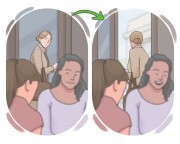
to leave abruptly or hurriedly, especially to avoid a difficult or awkward situation
escabullirse, desaparecer
Al notar la llegada del cobrador de facturas, el deudor intentó huir abruptamente por la puerta trasera.
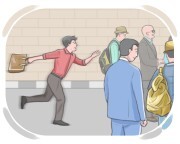
to move hurriedly, especially to escape or to leave a place abruptly
escabullirse, largarse
Ante la lluvia inesperada, los excursionistas tuvieron que salir pitando y refugiarse bajo los árboles cercanos.
to come out of or leave a place
evacuar
El personal de seguridad coordinó con los organizadores del evento para garantizar un proceso fluido para que los asistentes salieran del estadio.
to depart or leave a specific location
irse, marcharse
Después de pasar un tiempo en el parque, decidieron seguir adelante hacia el próximo destino.
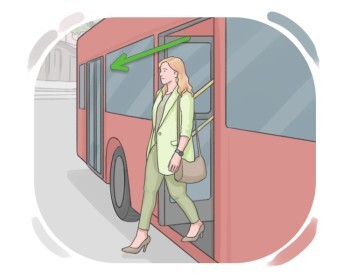
to leave a place, vehicle, etc.
salir
Los pasajeros esperaron pacientemente a que el tren se detuviera por completo antes de comenzar a salir del vagón del metro.

to leave a place, especially because it is difficult or dangerous to stay
dejar
Los ciudadanos no tuvieron más remedio que abandonar su ciudad cuando se convirtió en una zona de guerra.
to abandon or leave a place, typically suddenly or without intending to return
abandonar, desertar
Muchos aldeanos desertaron sus hogares cuando el río comenzó a inundarse.
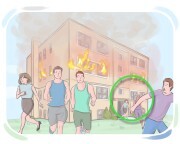
to leave a place to be safe from a dangerous situation
evacuar
En anticipación al huracán que se aproxima, se instó a las comunidades costeras a evacuar.
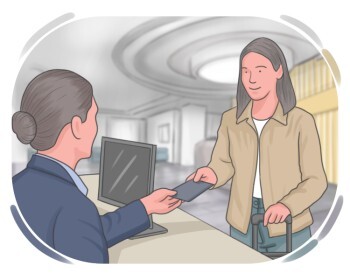
to move out of or exit a place that one previously occupied
desalojar
Al final del año académico, los estudiantes tuvieron que desalojar sus habitaciones de residencia.

to go to live in another area
mudarse
Solía visitar su casa a menudo, pero después de que se mudaron, la distancia lo hizo difícil.
to change the place we live or work
mudarse
Tengo que mudarme de mi apartamento a finales del próximo mes.
to escape danger or from a place
huir
Los excursionistas tuvieron que huir rápidamente cuando se encontraron con un oso en el sendero.
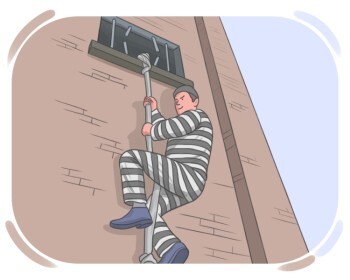
to get away from captivity
escaparse de
Ella se ha escapado del cautiverio más de una vez en su vida aventurera.
to escape from or suddenly leave a specific place, situation, or person, often in a hurried manner
escapar
El ladrón logró huir de la escena del crimen antes de que llegara la policía.
to move away from something quickly, often with a sense of urgency or as a response to danger
volar, huir
El sospechoso intentó huir de la escena del crimen, corriendo calle abajo para evitar ser capturado.

to leave or run away hastily, often with the intention of avoiding trouble, responsibility, or capture
escabullirse, largarse
Los traviesos escolares escaparon cuando vieron al profesor acercarse.

to depart quietly and without being noticed
escaparse, marcharse sigilosamente
Sin querer interrumpir la conversación, intentó escaparse silenciosamente.
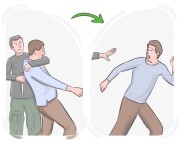
to escape from a person who is holding one
escapar
El caballo de repente se escapó de su jinete y galopó libremente por el campo.
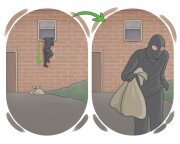
to secretly flee from a place, typically to avoid arrest or prosecution
fugarse, escapar
Él huyó de la prisión anoche.
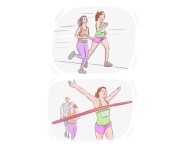
to move at a greater speed than someone or something
superar, dejar atrás
El sospechoso corrió pero no pudo superar a los oficiales de policía que lo perseguían.
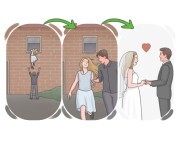
to run away secretly and marry one's partner
fugarse para casarse, fugarse
La joven pareja enfrentó la oposición de sus familias, lo que los llevó a fugarse en secreto.

to move back or withdraw from a previous position or state
retroceder
El astronauta observó cómo la Tierra retrocedía mientras la nave espacial se adentraba más en el espacio exterior.
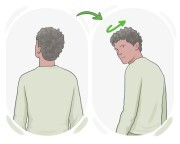
to reposition oneself to avoid facing a particular individual or object
alejarse, volverse
Ella se alejó del espejo, sin querer ver su reflejo.
