pattern

Key Scientists Vocabulary - Louis Pasteur

Review

Flashcards

Forms

Spelling

Quiz

Start learning
Key Scientists Vocabulary
France
France
[noun]

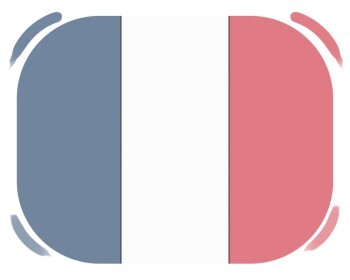
a country in Europe known for its famous landmarks such as the Eiffel Tower
Ex: The French Revolution had a significant impact on shaping modern France.
Close
Sign in
leather
leather
[noun]

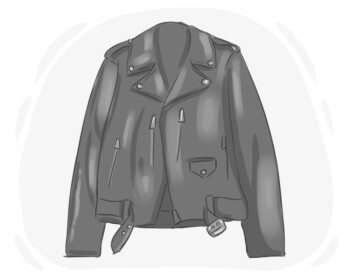
strong material made from animal skin and used for making clothes, bags, shoes, etc.
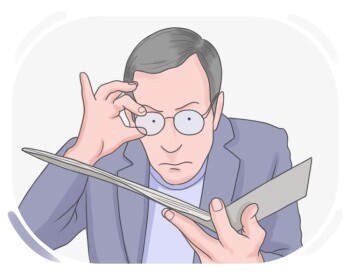
Ex: After years of use , the leather shoes had developed a rich patina that added character and charm .
Close
Sign in
interested
interested
[Adjective]

having a feeling of curiosity or attention toward a particular thing or person because one likes them
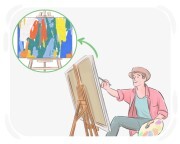
Ex: The children were very interested in the magician 's tricks .
Close
Sign in
painting
painting
[noun]

the act or art of making pictures, using paints
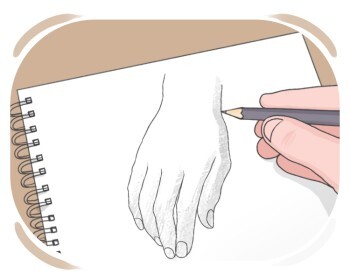
Ex: The students are learning about the history of painting in their art class .
Close
Sign in
drawing
drawing
[noun]

the activity or art of creating illustrations by a pen or pencil

Ex: He took a course to improve his drawing skills .
Close
Sign in
interested
interested
[Adjective]

having a feeling of curiosity or attention toward a particular thing or person because one likes them

Ex: The children were very interested in the magician 's tricks .
Close
Sign in
college
college
[noun]

a university in which students can study up to a bachelor's degree after graduation from school
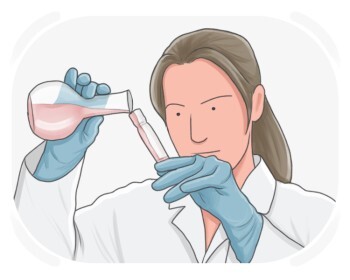
Ex: The college campus is known for its vibrant student life , with numerous clubs and activities to participate in .
Close
Sign in
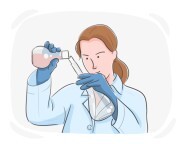
chemist
chemist
[noun]

a scientist who studies chemistry

Ex: The young chemist won a prize for her research .
Close
Sign in
experiment

a test done to prove the truthfulness of a hypothesis

Ex: The laboratory was equipped with state-of-the-art equipment for conducting experiments in physics .
Close
Sign in
to discover

to find out about or realize the existence, presence, or fact of something
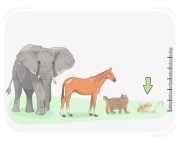
Ex: She discovered playing the guitar and could n’t stop practicing .
Close
Sign in
tiny
tiny
[Adjective]

extremely small

Ex: The tiny kitten fit comfortably in the palm of her hand .
Close
Sign in
germ
germ
[noun]

a small living organism that causes disease or infection

Close
Sign in
to cause
to cause
[Verb]

to make something happen, usually something bad
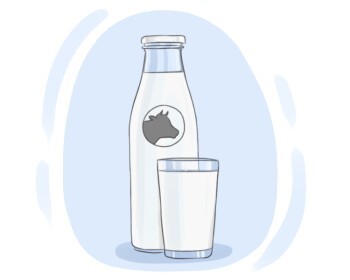
Ex: Smoking is known to cause various health problems .
Close
Sign in
milk
milk
[noun]

the white liquid we get from cows, sheep, or goats that we drink and use for making cheese, butter, etc.

Ex: The creamy pasta sauce was made with a combination of milk and grated cheese .
Close
Sign in
to spoil
to spoil
[Verb]

to harm, damage, or ruin something

Ex: A single wrong ingredient spoiled the entire batch of cookies .
Close
Sign in
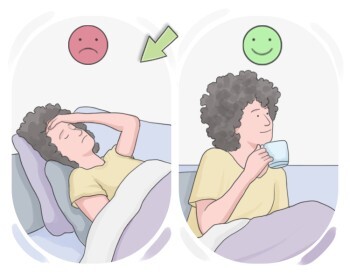
sick
sick
[Adjective]

not in a good and healthy physical or mental state
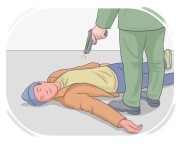
Ex: She was so sick, she missed the trip .
Close
Sign in
to kill
to kill
[Verb]

to end the life of someone or something
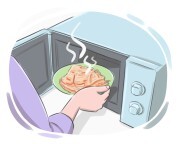
Ex: The assassin was hired to kill a political figure .
Close
Sign in
to heat
to heat
[Verb]

to raise the temperature of something

Ex: They used a blow dryer to heat the wax for the project .
Close
Sign in
pasteurization

partial sterilization of foods at a temperature that destroys harmful microorganisms without major changes in the chemistry of the food

Close
Sign in
method
method
[noun]

a specific way or process of doing something, particularly an established or systematic one
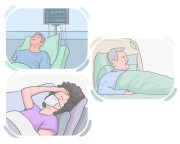
Ex: The Montessori method emphasizes hands-on learning and self-directed exploration for young children .
Close
Sign in
disease
disease
[noun]

an illness in a human, animal, or plant that affects health
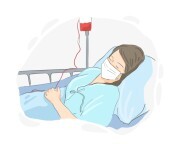
Ex: The disease is spreading rapidly through the population .
Close
Sign in
to get
to get
[Verb]

to catch a disease or an illness

Ex: Many travelers worry about getting malaria when visiting certain regions .
Close
Sign in
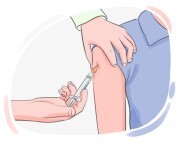
vaccine
vaccine
[noun]

a substance, often administered through needle injections, that stimulates the body's immune response against harmful diseases
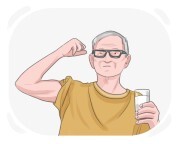
Ex: The annual flu vaccine is recommended for vulnerable populations such as the elderly and young children .
Close
Sign in
healthy
healthy
[Adjective]

(of a person) not having physical or mental problems
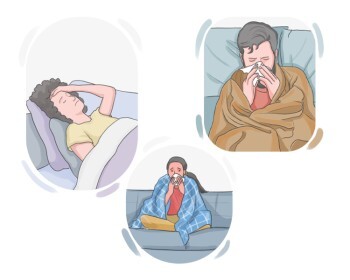
Ex: The teacher is glad to see all the students are healthy after the winter break .
Close
Sign in
success
success
[noun]

an attainment that is successful

Close
Sign in
sickness
sickness
[noun]

the state of being unwell

Ex: The village experienced a wave of sickness last month .
Close
Sign in
bite
bite
[noun]

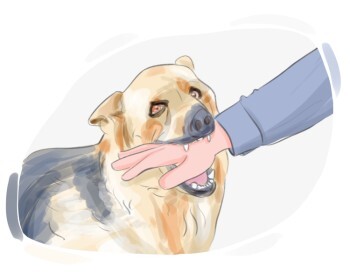
a wound or injury inflicted by the teeth of an animal
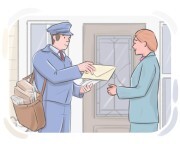
Ex: The veterinarian treated the bite wound on the horse ’s neck .
Close
Sign in
discovery
discovery
[noun]

something that is discovered

Close
Sign in
all over the (world|globe)

in every part of the world

Ex: His research findings had implications all over the globe.
Close
Sign in
to receive

to be given something or to accept something that is sent

Ex: We received an invitation to their wedding .
Close
Sign in
award
award
[noun]

a prize or money given to a person for their great performance

Ex: The student received an award for his outstanding academic achievements .
Close
Sign in
work
work
[noun]

tasks, documents, or projects that a person is currently engaged in or working on

Ex: He has a lot of work to catch up on after being sick for a week .
Close
Sign in
health problem

a condition or issue that affects a person's physical or mental well-being, ranging from minor illnesses to chronic diseases
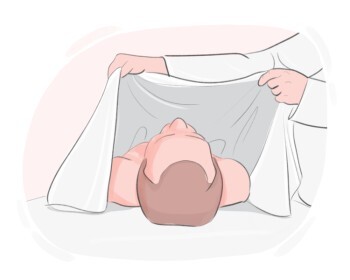
Ex: Early detection can prevent certain health problems from worsening .
Close
Sign in
to die
to die
[Verb]

to no longer be alive

Ex: The soldier sacrificed his life , willing to die for the safety of his comrades .
Close
Sign in
to save
to save
[Verb]

to keep someone or something safe and away from harm, death, etc.
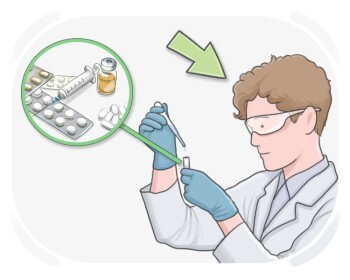
Ex: The scientist 's discovery may save countless lives in the future .
Close
Sign in
medicine
medicine
[noun]

the field of science that is concerned with treating injuries and diseases

Ex: The conference brought together experts from around the world to discuss the latest breakthroughs in medicine, including gene therapy and personalized treatment plans .
Close
Sign in
stroke
stroke
[noun]

a dangerous condition in which a person loses consciousness as a result of a blood vessel breaking open or becoming blocked in their brain, which could kill or paralyze a part of their body
Ex: Common risk factors for stroke include high blood pressure , diabetes , high cholesterol , smoking , and obesity .
Close
Sign in
treatment
treatment
[noun]

an action that is done to relieve pain or cure a disease, wound, etc.

Ex: Timely treatment of acute illnesses can prevent complications and facilitate a quicker recovery process .
Close
Sign in
LanGeek
Download LanGeek app