
Základní Slovní Zásoba pro GRE - Přijímání Rozhodnutí
Zde se naučíte některá anglická slova o rozhodnutí, jako je "veto", "zášť", "vybíravý" atd., která jsou potřebná pro zkoušku GRE.
Revize
Kartičky
tvary
Pravopis
Kvíz


the fact of being responsible for what someone does and being able to explain the reasons

odpovědnost, zodpovědnost
Vedoucí týmu přijal plnou odpovědnost za neúspěch projektu.
an official judgment in court of law that declares someone not guilty of the crime they were charged with
osvobození, zproštění viny
Po osvobození byl obžalovaný propuštěn z vazby a mohl se vrátit ke svému normálnímu životu.
someone who makes a formal decision about who is right in an argument or dispute
rozhodčí, soudce
V soutěži rozhodl rozhodčí o vítězi.
the faculty to use free will and make decisions
vůle, svobodná vůle
Navzdory výzvám se s nimi setkala s odhodláním a vůlí, odmítla se vzdát svých cílů.
a vote or formal decision that prevents a proposal or measure from being approved
veto, právo veta
Veto umožňuje členům menšiny zabránit škodlivým rozhodnutím.
an opinion given or a decision made after much consideration
verdikt, rozhodnutí
Verdikt veřejnosti ohledně nové politiky byl drtivě negativní, což vedlo tvůrce politik k přehodnocení.
an unfair prejudice or bias toward an individual, group of people, etc.
stranickost, zvýhodňování
Politika společnosti má za cíl odstranit jakoukoli formu stranickosti v povýšeních.
a tendency to believe in or favor something
sklon, tendence
Právní sklony soudce se odrážely v jejích soudních rozhodnutích.
a deep feeling of anger and dislike toward someone because of what they did in the past
zášť, nenávist
Snažila se odpustit, ale zášť zrady přetrvávala.
the idea that human beings have the agency to decide independently without being controlled by any outside influences
svobodná vůle
Filozofická debata se točila kolem toho, zda lidé skutečně mají svobodnou vůli.
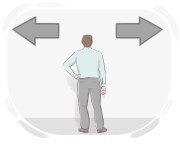
a situation that is difficult because a choice must be made between two or more options that are equally important
dilema
Environmentalisté čelili dilematu: podpořit projekty čisté energie, které vysídlily místní komunity, nebo se jim postavit z důvodů sociální spravedlnosti.

to think carefully about something and consider it before making a decision
uvažovat, pečlivě zvažovat
Před přijetím pracovní nabídky si vzala čas na zvážení kladů a záporů.
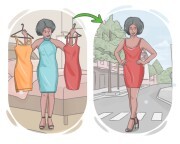
to decide something, after considering all possible alternatives
rozhodnout se pro, zvolit
Nakonec se rozhodli pro třetí možnost.

to start to dislike someone or something
začít mít averzi, začít nenávidět
Začala mít námitky proti novému manažerovi poté, co kritizoval její práci.
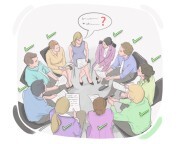
(of a group) fully in agreement on something
jednohlasný, shodný
Rodiče byli jednomyslní v podpoře nové školní politiky.

to consider a matter carefully before reaching a decision
přemýšlet o, zvážit
Pojďme promyslet možnosti, než učiníme konečné rozhodnutí.

to postpone an appointment or arrangement
odložit, přeložit
Už dvakrát odložili termín svatby.

(of a person) having difficulty making choices or decisions, often due to fear, lack of confidence, or overthinking
nerozhodný, váhavý
Zůstal nerozhodný ohledně opuštění své práce, rozpolcený mezi stabilitou a následováním své vášně.

capable of quickly grasping complex topics and offer clear and insightful perspectives
bystrý, pronikavý
Její bystrý komentář k aktuálním událostem poskytuje cenné poznatky o politických a sociálních otázkách.

(of a person) overly particular about small details, making one challenging to please
vybíravý, náročný
Její vybíravý vkus v módě znamenal, že trávila hodiny hledáním dokonalého outfitu.
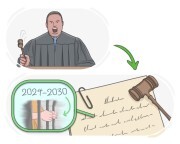
to specify that something needs to be done or how it should be done, especially as part of an agreement
stanovit, upřesnit
Před podepsáním nájemní smlouvy je zásadní pečlivě přečíst a porozumět podmínkám stanoveným pronajímatelem.
(of a rule, process, etc.) strictly followed or applied
přísný, důkladný
Podstoupila náročný trénink, aby se připravila na maraton.
the fact of complying with a command, order, impulse, etc. or following someone's rules and beliefs
dodržování, loajalita
Dodržování dress code je na formální akci vynucováno.
something that is required as a precondition for something else following
předpoklad, nutná podmínka
Dokončení úvodního kurzu je předpokladem pro zápis do pokročilých tříd.
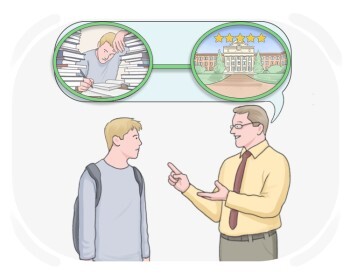
aiming to provide advice and suggestions
poradní, konzultační
Environmentální skupina vydala poradní zprávu, která zdůrazňuje potenciální dopad na životní prostředí navrhovaného stavebního projektu.

to adjust one's actions or behavior based on specific information, ideas, or advice
jednat podle, upravit své jednání nebo chování na základě konkrétních informací

to speak positively about someone or something and suggest their suitability
doporučit, chválit
Lékař doporučil novou léčbu svým pacientům pro její účinnost při zvládání chronické bolesti.
to be attentive to advice or a warning
dávat pozor na, poslouchat
Navzdory varování svých přátel se rozhodla je nevšímat si a pokračovala ve svém riskantním chování.
to suggest something in an indirect manner
naznačovat, insinuovat
Na schůzce zaměstnanec jemně naznačil, že rozhodnutí manažera mohlo být ovlivněno osobními předsudky.

to show, point out, or suggest the existence, presence, or nature of something
ukazovat, naznačovat
Teploměr ukazuje, že teplota stoupá.

suggesting something without directly stating it
implicitní, nepřímý
not recommended to do based on the particular situation
nedoporučovaný, nevhodný
Je nerozumné ignorovat lékařské pokyny týkající se léků.
to suggest or assume the existence or truth of something as a basis for reasoning, discussion, or belief
postulovat, předpokládat
Filozof postuloval koncept přirozených lidských práv jako základ etických principů.
to encourage someone to do or say something
pobízet, povzbuzovat
to put an idea, proposition, theory, etc. forward for further consideration
navrhnout, předložit
Učitel povzbuzoval své studenty, aby předkládali své vlastní interpretace textu, čímž podporoval kritické myšlení a debatu.
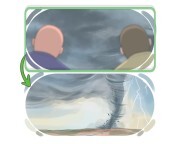
to perceive something as a sign that indicates the occurrence of something good or evil
předzvěstovat, znamenat
Povzbudivá slova mentora předznamenala úspěch pro začínajícího umělce.
