
Verbes de Gestion des Informations et des Objets - Verbes pour l'Arrangement
Ici, vous apprendrez quelques verbes anglais se référant à l'arrangement tels que "organiser", "régler", et "catégoriser".
Réviser
Flashcards
formes
Orthographe
Quiz


to organize items in a specific order to make them more convenient, accessible, or understandable

arranger, ranger

to change the position, order, or layout of something, often with the goal of improving its organization, efficiency, or appearance
réorganiser, réarranger
Elle est en train de réorganiser les livres sur les étagères pour créer un affichage plus cohérent.
to put things into a particular order or structure
classer
to adjust the structure or layout of something in a new way
réorganiser
Elle est en train de réorganiser les fichiers sur son ordinateur pour améliorer l'accessibilité.
to arrange or organize something in a structured or systematic manner
ordonner, organiser

to organize items by putting them into different groups based on their characteristics or other criteria
trier, classer, ranger

to put or organize things in a tidy or systematic way
trier et ranger, mettre les choses en ordre
Le bibliothécaire a décidé de ranger les livres sur les étagères pour faciliter leur recherche aux usagers.

to write down information, such as names or items, often in a specific order, to make it easier to refer to later
énumérer, lister
to sort similar items into a specific group
classer, catégoriser
Le bibliothécaire catégorise fréquemment les livres par genre pour aider les usagers à les trouver facilement.
to arrange people or things into groups according to shared characteristics or qualities
classer
to assign someone or something into a particular group or category based on shared characteristics or criteria
classer, catégoriser

to arrange or stack something in a series of distinct levels or sheets
superposer, étager
to arrange something in a specific way according to a particular plan or design
configurer, agencer
Elle est en train de configurer les paramètres d'éclairage pour la performance sur scène.

to group items or tasks together and process them as a single unit or in a specific sequence
grouper, traiter par lots
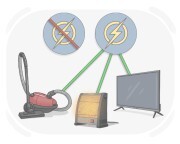
to be categorized or classified within a particular group, type, or jurisdiction
être classé sous, relever de
En tant qu'organisation à but non lucratif, ils relèvent de réglementations spécifiques régissant les entités caritatives.

to select or remove items from a set of information according to particular criteria
filtrer, trier

to carefully examine or sort through something
tamiser, passer au crible
Elle est en train de passer au crible des documents pour trouver des informations pertinentes pour le rapport.

to stand or wait in a line for something
faire la queue

to place things in a straight line or correct relative position
aligner, aligner sur

to plan and direct a complex task or project, ensuring that all elements work together harmoniously to achieve a specific goal
orchestrer, organiser
Elle orchestre actuellement la campagne marketing pour le lancement du nouveau produit.
to control and organize the different parts of an activity and the group of people involved so that a good result is achieved
coordonner, organiser

to organize something according to a system or method, making it more efficient and structured
systématiser, organiser méthodiquement
Le chercheur systématise fréquemment les méthodes de collecte de données pour assurer la cohérence.

to arrange laws, rules, or principles into a systematic code or set of laws
codifier, organiser en code
Elle est en train de codifier les normes éthiques de l'organisation en un code de conduite.

to arrange text, data, or other content according to a particular structure, layout, or style
formater, mettre en forme

to organize something in a systematic way, often by giving it a specific form or framework
structurer, organiser
to completely change how something is organized or built, often making it simpler or more efficient
restructurer, réorganiser
Ils ont récemment restructuré le modèle commercial pour se concentrer sur de nouveaux marchés.

to be classified or categorized as part of a particular group or subject
être classé sous, rentrer dans la catégorie de
La question du changement climatique relève du domaine des préoccupations environnementales.
