Vocabolario Essenziale per il GRE - Mantenere una mente aperta
Qui imparerai alcune parole inglesi sulla decisione, come "bisticciare", "conformarsi", "asserzione", ecc. che sono necessarie per l'esame GRE.
Revisione
Flashcard
forme
Ortografia
Quiz


a situation in which all those involved are in complete agreement on something

unanimità
La squadra ha mostrato unanimità nel sostegno alla nuova strategia.

to publicly recommend or encourage a particular action, approach, or way of doing something
sostenitore
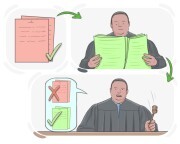
to prove something or someone wrong or false through evidence or argumentation
confutare
Confuterò qualsiasi dubbio sui risultati della mia ricerca.
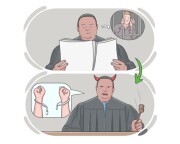
to influence someone or something unfairly in favor of or against a particular view or outcome
pregiudizio
a noisy dispute
alterco
Il manager è intervenuto per sedare l'alterco tra i dipendenti.
something that one perceives to be true, even though it remains to be proved, especially at the beginning of an argument
presupposto
Il caso legale si basava sulla presupposizione che l'imputato avesse una conoscenza pregressa del crimine.
to agree with or correspond to something
accordare con
I piani dell'architetto sono in accordo con le normative locali di zonizzazione.
a subject over which people disagree
pomo della discordia, motivo di contesa
Gli accordi per la cura dei figli erano il pomo della discordia dopo il divorzio.

a person that one is opposed to and fights or competes with
avversario
Il generale pianificò attentamente le sue tattiche per contrastare l'avversario del nemico.

to argue over unimportant things in an ongoing and repetitive way
sostenere
I vicini litigavano spesso per i posti auto, causando tensioni nella comunità.
a set of facts or information that can be used to win an argument against someone or to criticize them
munizioni
La lezione del professore ha fornito agli studenti munizioni per il loro prossimo dibattito.
the state of being in agreement
concorrenza
Il successo della conferenza è stato dovuto alla concorrenza dei partecipanti sulle questioni chiave.
official approval or agreement
approvazione
Il film ha ricevuto l'approvazione di diversi prestigiosi festival cinematografici.
to behave or think according to the accepted customs, expectations, or behavior of a group
conformarsi

to agree to something, such as a suggestion, request, etc.
consenso
Il consiglio di amministrazione ha acconsentito agli aggiustamenti di bilancio.
a confident and forceful statement of fact or belief
affermazione
an open declaration or affirmation of one’s opinions
dichiarazione
La dichiarazione pubblica dei loro valori ha contribuito a consolidare la loro reputazione.
the act of adhering to established norms, protocols, and standardized behaviors within a social system or institution
conformità
La nuova regolamentazione ha imposto la conformità in tutti i reparti.
a state of heated disagreement, often coming from different viewpoints or interests
contesa
Il resoconto storico era una fonte di contesa tra gli studiosi.
a situation in which the parties involved do not compromise and therefore are unable to reach an agreement
stallo, impasse
Il loro stallo in corso ha impedito qualsiasi progresso nelle discussioni di fusione.

to disagree with someone or to hold different opinions, viewpoints, or beliefs
essere diverso
a difference of opinion, especially from commonly accepted beliefs
dissenso
Le voci di dissenso si sono fatte più forti mentre il piano affrontava lo scrutinio pubblico.
someone who declares opposition to the government of one's country, knowing there is punishment for doing so
dissidente
Era conosciuto come un dissidente prominente che sosteneva riforme democratiche.
(of views, opinions, etc.) to be different from each other
divergere
Il panel di esperti si aspettava che le loro conclusioni divergessero a causa di diverse metodologie di ricerca.
a belief or a belief system held by an authority who proclaims it to be undeniably true and expects immediate acceptance
dogma
Il dogma del culto richiedeva ai seguaci di aderire a un insieme di regole rigide e indiscutibili.
a projection about future events or hypothetical situations, drawn from known data, observations, or experience
estrapolazione
L'estrapolazione dal comportamento passato indicava un rischio futuro.
a heated argument that lasts for a long time
feudo
La faida politica tra i due leader ha dominato il ciclo delle notizie.
a division between a group of people caused by their disagreement over beliefs or views
scisma
La scissione ideologica tra le due fazioni era evidente nelle loro dichiarazioni contrastanti.
any opinion or belief that conflicts with the official or widely accepted position
eresia, eterodossia
Scrivere un libro che si opponeva alle norme stabilite era considerato un'eresia intellettuale.
to give a particular fact or condition as an excuse or justification
invocare
not likely to offend people or cause disagreement or tension
anodina
Ha scelto un argomento anodino per la sua presentazione per assicurarsi che fosse ben accolto.
(of statements, beliefs, facts, etc.) incompatible or opposed to one another, even if not strictly illogical
contraddittorio
Le due teorie erano contraddittorie, ognuna delle quali offriva una spiegazione diversa per lo stesso fenomeno.
expressing one's feelings in a dramatic and forceful way
declamatoria
Le osservazioni declamatorie del politico hanno scatenato l'applauso della folla.
true and therefore impossible to be denied or disagreed with
incontestabile
L'impatto della sua ricerca rivoluzionaria era incontestabile nella comunità accademica.
referring to the method of argumentation or discourse that involves the exchange of opposing ideas or viewpoints in order to reach a deeper understanding or resolution
dialettico
Il pensiero dialettico incoraggia gli individui a considerare molteplici prospettive e a sfidare le proprie ipotesi.
very eager to persuade people to accept one's views or opinions
evangelico
L'approccio evangelico dell'attivista mirava a sensibilizzare sul cambiamento climatico.
ready toward a course of action
disposto
Lui è disposto a dare ai nuovi arrivati una possibilità equa.
involving rational arguments to support or oppose an opinion, usually the opposite of others'
polemica
Il dibattito divenne sempre più polemico mentre le parti opposte discutevano con passione.

expressing feelings or opinions, loudly and forcefully
clamoroso
Nonostante il suo solito comportamento riservato, divenne vociferante nel difendere le sue convinzioni.
to provide evidence or reasons that support an argument, claim, opinion, or theory
sostenere