
Corps - Le Système Immunitaire
Ici, vous apprendrez quelques mots anglais liés au système immunitaire, tels que "anticorps", "basophile" et "lymphocyte".
Réviser
Flashcards
Orthographe
Quiz
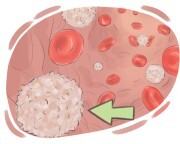
one of the many cells that protects the body against diseases

globule blanc
Le médecin a ordonné une analyse de sang pour mesurer le nombre de globules blancs du patient dans le cadre du processus de diagnostic.

a protein produced by the immune system that recognizes and helps neutralize harmful substances such as bacteria and viruses
anticorps
any foreign substance in the body that can trigger a response from the immune system
antigène
Le test sanguin détecte la présence d'un antigène pour diagnostiquer les infections.
a type of white blood cell involved in allergic reactions and immune responses in the human body
basophile, granulocyte basophile
a type of white blood cell involved in the immune response, responsible for recognizing and destroying foreign invaders in the body
lymphocyte, globule blanc impliqué dans la réponse immunitaire
an immune cell that produces antibodies to help protect the body against infections
lymphocyte B, cellule B
a type of white blood cell that plays a central role in the immune response by recognizing and attacking infected or abnormal cells
lymphocyte T, cellule T
a type of immune cell that displays foreign antigens on its surface to activate other cells of the immune system, such as T cells and B cells, to mount an immune response against the pathogen
cellule présentatrice d'antigène
a small protein that regulates immune responses and cell communication in the human body
cytokine, protéine de signalisation cellulaire
an immune cell that can respond more quickly and effectively to a pathogen upon re-exposure
lymphocyte B mémoire, cellule B mémoire
an immune cell that retains information about previously encountered pathogens to mount a quicker and more efficient immune response upon re-exposure
lymphocyte T mémoire, cellule T mémoire
a type of immune cell that plays a critical role in presenting antigens to other immune cells, helping to initiate and regulate immune responses
cellule dendritique, cellule présentatrice d'antigène
a type of white blood cell characterized by cytoplasmic granules and involved in the body's immune response
granulocyte, leucocyte granuleux
a group of proteins that are found on the surface of cells and play a key role in the immune system recognition and response
antigène leucocytaire humain, système HLA
a type of immune cell that can directly kill infected or abnormal cells in the body
cellule T cytotoxique
a type of immune cell that plays a central role in coordinating and regulating immune responses
lymphocyte T auxiliaire, cellule T helper
a type of immune cell that helps maintain immune balance and prevent excessive immune responses in the human body
lymphocyte T régulateur, cellule T régulatrice
a set of genes that help the immune system recognize and respond to foreign substances in the body by presenting them to immune cells for identification
complexe majeur d'histocompatibilité, CMH
a type of white blood cell that engulfs and destroys foreign substances, pathogens, and cellular debris in the body
macrophage
a type of immune cell in the human body that engulfs and eliminates pathogens and foreign particles through the process of phagocytosis
phagocyte, cellule phagocytaire
a type of immune cell that releases chemical mediators involved in allergic reactions
mastocyte, cellule mastocytaire
a type of white blood cell that helps defend the body against bacterial infections by engulfing and destroying bacteria
neutrophile, granulocyte neutrophile
a key component of the immune system responsible for defending the body against infections and diseases
leucocyte
a type of immune cell that has the ability to suppress immune responses, and they are often associated with pathological conditions such as cancer and inflammation
cellule suppressrice dérivée des myéloïdes, cellule myéloïde suppressrice
a specialized type of white blood cell found in the human body
éosinophile, granulocyte éosinophile
a type of immune cell that is capable of recognizing and destroying infected or cancerous cells in the body without prior sensitization or activation
cellule tueuse naturelle, lymphocyte NK

(usually plural) each of the pair of large lymphoid tissues high up in the throat and behind the nose that have to be removed if swollen
adénoïde

(anatomy) each of the pair of lymphoid tissues in the pharynx at the side of the tongue root
amygdalite
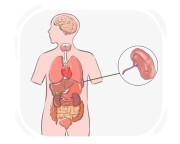
(anatomy) an abdominal organ that controls the quality of the blood cells
rate
La rate joue un rôle crucial dans la filtration du sang, l'élimination des globules rouges vieux ou endommagés et la lutte contre les infections.
a small organ in the lymphatic system that filters and traps foreign substances, helping to fight infections and support immune responses
ganglion lymphatique, nœud lymphatique
an abnormally small red blood cell that can indicate certain types of anemia or underlying health conditions
microcyte, globule rouge anormalement petit
an immature form of a red blood cell that indicates active blood cell production in the bone marrow
réticulocyte
an abnormally shaped red blood cell that deviates from the normal biconcave disc shape, often seen in certain blood disorders or pathologies
poikilocyte, globule rouge de forme anormale
