pattern

Umiejętności Słowne SAT 6 - Lekcja 38

Przegląd

Fiszki

formy

Pisownia

Test

Zacznij naukę
SAT Word Skills 6
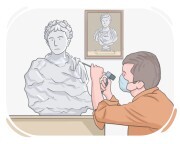
to mimic
to mimic
[Czasownik]

to copy the style, technique, or subject matter of another artist or artwork

naśladować,  kopiować

naśladować, kopiować

Ex: The fashion designer decided to mimic the trends of the 1960s in her latest collection .

Projektantka mody postanowiła naśladować trendy lat 60. w swojej najnowszej kolekcji.

to implement
to implement
[Czasownik]

to apply or utilize a device, tool, or method for a specific purpose

wdrażać, stosować

wdrażać, stosować

Ex: The researcher plans to implement a new experimental procedure to test the hypothesis .

Badacz planuje wdrożyć nową procedurę eksperymentalną w celu przetestowania hipotezy.

to dun
to dun
[Czasownik]

to preserve fish by salting

solić, peklować

solić, peklować

Ex: By the time the explorers returned from their expedition , they had dunned all the fish they had caught to keep them edible .

Do czasu, gdy odkrywcy wrócili z wyprawy, zasolili wszystkie złowione ryby, aby zachować je w stanie jadalnym.

to network
to network
[Czasownik]

to interact or establish contacts with others for mutual assistance or support

nawiązywać kontakty, networkować

nawiązywać kontakty, networkować

Ex: By the time they graduated , they had networked with influential alumni in their field .

Do czasu ukończenia studiów nawiązali kontakty z wpływowymi absolwentami w swojej dziedzinie.

to antic
to antic
[Czasownik]

to behave in a ridiculous or absurd manner, often for entertainment or amusement

błaznować, zachowywać się absurdalnie

błaznować, zachowywać się absurdalnie

Ex: By the time they arrived, the performers had already anticked their way through the skit, leaving the audience in stitches.

Do czasu ich przybycia wykonawcy już wygłupiali się przez skecz, pozostawiając publiczność w szwach.

to fidget
to fidget
[Czasownik]

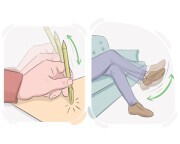
to make small, restless movements or gestures due to nervousness or impatience

wiercić się, kręcić się

wiercić się, kręcić się

Ex: She tried to stay still during the job interview , but her nerves caused her to fidget uncontrollably .

Starała się siedzieć nieruchomo podczas rozmowy kwalifikacyjnej, ale nerwy sprawiły, że zaczęła się wiercić niekontrolowanie.

to conceive
to conceive
[Czasownik]

to consider or regard someone or something in a particular way or context

postrzegać, uważać

postrzegać, uważać

Ex: Despite his rough exterior, many people conceive of him as a kind-hearted individual who always lends a helping hand.

Pomimo swojego szorstkiego wyglądu, wiele osób postrzega go jako dobrodusznego człowieka, który zawsze podaje pomocną dłoń.

to anoint
to anoint
[Czasownik]

to apply oil, ointment, or a similar substance in a religious or ceremonial act

namaścić, poświęcić

namaścić, poświęcić

Ex: By the time the ceremony ended , the minister had anointed all the newborns with consecrated oil .

Zanim ceremonia się zakończyła, minister namaścił wszystkie nowo narodzone dzieci poświęconym olejem.

to furrow
to furrow
[Czasownik]

to make a series of long, narrow grooves or ridges in the ground or on a surface

bruzdować, robić bruzdy

bruzdować, robić bruzdy

Ex: By the time the rain came , the gardener had already furrowed the entire field .

Zanim nadeszła ulewa, ogrodnik już zaorał całe pole.

to deforest
to deforest
[Czasownik]

to clear an area of trees, typically by cutting them down extensively

wylesiać, deforestować

wylesiać, deforestować

Ex: By the time the environmentalists arrived , the company had already deforested most of the land .

Zanim przybyli ekolodzy, firma już wycięła większość lasu.

to cite
to cite
[Czasownik]

to refer to something as an example or proof

cytować, wspominać

cytować, wspominać

Ex: The manager cited successful business strategies to propose changes in the company .

Kierownik przytoczył skuteczne strategie biznesowe, aby zaproponować zmiany w firmie.

to thwart
to thwart
[Czasownik]

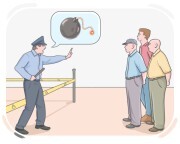
to intentionally prevent someone or something from accomplishing a purpose or plan

udaremnić, przeszkodzić

udaremnić, przeszkodzić

Ex: Quick thinking and intervention thwarted a potential disaster during the fire last year .

Szybkie myślenie i interwencja udaremniły potencjalną katastrofę podczas pożaru w zeszłym roku.

to rend
to rend
[Czasownik]

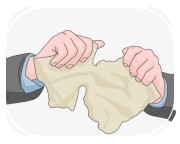
to tear something forcefully

rozdzierać, drzeć

rozdzierać, drzeć

Ex: A sudden burst of strength allowed him to rend the heavy curtain apart .

Nagły wybuch siły pozwolił mu rozedrzeć ciężką zasłonę.

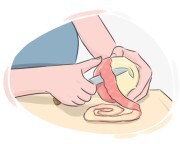
to pare
to pare
[Czasownik]

to peel or strip away the outer layer of a fruit, vegetable, or other foods

obierać, skrobać

obierać, skrobać

Ex: By the time they arrived , she had already pared the oranges for the juice .

Zanim przybyli, ona już obrała pomarańcze na sok.

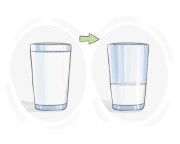
to deplete
to deplete
[Czasownik]

to use up or diminish the quantity or supply of a resource, material, or substance

wyczerpywać, zmniejszać

wyczerpywać, zmniejszać

Ex: The demand for rare minerals in electronic devices may deplete certain mineral deposits .

Zapotrzebowanie na rzadkie minerały w urządzeniach elektronicznych może wyczerpać niektóre złoża mineralne.

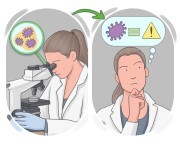
to conjecture
to conjecture
[Czasownik]

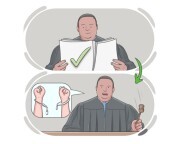
to form an idea or opinion about something with limited information or unclear evidence

domyślać się, przypuszczać

domyślać się, przypuszczać

Ex: As the investigation progressed , detectives had to conjecture about possible motives for the crime based on the available evidence .

W miarę postępu śledztwa detektywi musieli snuc domysły na temat możliwych motywów przestępstwa na podstawie dostępnych dowodów.

to recruit
to recruit
[Czasownik]

to employ people for a company, etc.

rekrutować, zatrudniać

rekrutować, zatrudniać

Ex: Companies use various strategies to recruit top talent in competitive industries .

Firmy stosują różne strategie, aby zatrudniać najlepsze talenty w konkurencyjnych branżach.

LanGeek
Pobierz aplikację LanGeek