
Listă de Cuvinte Nivel B2 - Religion
Aici veți învăța câteva cuvinte în engleză despre religie, cum ar fi "ateism", "creștin", "evreu" etc., pregătite pentru elevii de nivel B2.
Revizuire
Fișe de studiu
Ortografie
Chestionar
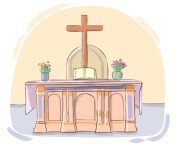
the table in a church, used for giving communion in Christianity

altar, masa de împărtășanie
Adunarea s-a strâns în jurul altarului pentru slujba de dimineață.
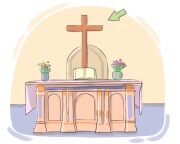
a representation of the structure on which Jesus Christ was executed, used as a symbol of Christianity
cruce, crucifix
Marele cruce de lemn era expusă proeminent în fața bisericii.

the belief that rejects the existence of God or a higher power
ateism, necredința în existența lui Dumnezeu
A discutat deschis despre ateismul său cu prietenii săi.
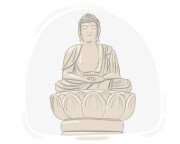
an Indian religion based on the teachings of Siddhartha Gautama, whose followers worship in temples
budism, religia budistă
Budismul învață Patru adevăruri nobile ca parte fundamentală a doctrinei sale.

a person who believes in the teachings of Jesus or has been baptized
creștin
Ca creștină, ea participă regulat la slujbele religioase și la activitățile comunitare.
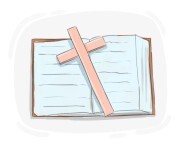
the Abrahamic religion based on the teachings of Jesus of Nazareth, the followers of which regard the Bible as sacred
creștinism
Creștinismul este una dintre cele mai mari religii din lume, cu diverse denominații și credințe.

a person who believes in Hinduism
hindu, credincios hindu
Mulți hinduși vizitează temple pentru a oferi rugăciuni și a efectua ritualuri.
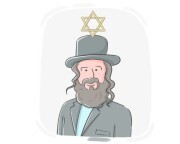
a person who believes in Judaism and belongs to the Jewish community
Evreu, Israelit
Mulți evrei respectă Sabatul, o zi de odihnă și reflecție spirituală.
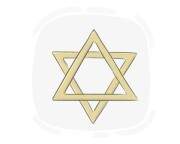
related to the religion, culture, or people of Judaism
evreiesc, legat de iudaism
Sederul de Paște este o tradiție evreiască sărbătorită de familii din întreaga lume.
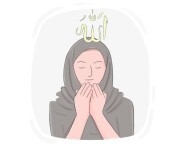
a person who believes in Islam
Musulman, Musulmană
Ca musulmană, ea respectă rugăciunile zilnice și postul în timpul Ramadanului.
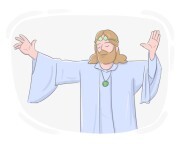
a person believing in a religion that worships many deities, especially one that existed before the major world religions
păgân, politeist
Poveștile împărtășite între păgâni includ adesea mituri și legende din diverse culturi.
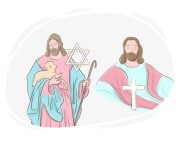
God, particularly in Christian, Jewish, and Islamic traditions, signifying authority and divine power
Domnul, Dumnezeu
Imnul L-a lăudat pe Domnul pentru îndrumarea și binecuvântările Lui de-a lungul vieții.

the holy book of Christianity that consists of the Old Testament and the New Testament
Biblia, Sfânta Scriptură
Mulți oameni se întorc la Biblie pentru mângâiere și îndrumare în viața lor.

any of the four books of the New Testament that is about the life and teachings of Jesus Christ
evanghelie, gospel
Ea a studiat Evanghelia după Matei în grupul ei de studiu biblic.
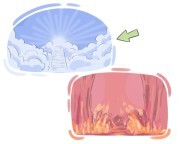
the realm of God and angels where the believers are promised to reside
cer, paradis
Conceptul de rai oferă mângâiere celor care plâng pierderea celor dragi.
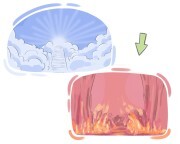
(in Christianity) the dwelling place of Satan and his forces, where sinners suffer eternal punishment
iadul, infernul
Scriptura învață că iadul este etern pentru cei răi.

any act that goes against the law of God
păcat
El a căutat iertare pentru păcatele sale în timpul spovedaniei.

any immoral act that is against the law of God
viciu, păcat
Multe religii învață că viciul poate duce la consecințe negative în viață.

(in Christian theology) a state of being under divine influence
har, har divin
Credincioșii caută harul pentru a-și ghida viața.

the quality of having excessive self-esteem that is considered a sin in religious beliefs
mândrie, orgoliu
Multe învățături avertizează asupra pericolelor mândriei excesive.

an intense and selfish desire for something such as power and wealth
lăcomie, aviditate
Lăcomia lui pentru bani l-a determinat să ia decizii de afaceri neetice.

(in theology) excessive or self-indulgent sexual desire, considered a deadly sin
lăcomie, poftă
Lăcomia (pofta) a fost listată printre cele șapte păcate capitale.
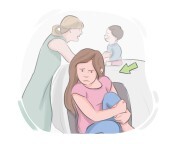
a feeling of dissatisfaction, unhappiness, or anger that one might have as a result of wanting what others have
invidie
Ea nu a putut să nu simtă o străfulgerare de invidie când a văzut noua mașină a prietenei sale.

(in theology) indifference or inactivity in moral or virtuous practice, considered a deadly sin
lene, inactivitate
Lenea este unul dintre cele șapte păcate capitale în învățătura creștină.

to admit one's faults and sins in front of a priest
mărturisi, recunoaște
Preotul a ascultat cu răbdare în timp ce ea a început să mărturisească luptele sale.
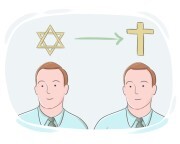
to change one's religious beliefs to a different one
a se converti, a schimba religia
După ani de căutare interioară, Sarah a decis să se convertească la budism.

to stop being angry or blaming someone for what they have done, and to choose not to punish them for their mistakes or flaws
ierta, scuza
După multă reflecție, ea a decis să-și iert prietena pentru neînțelegere.

to believe that someone is sincere, reliable, or competent
a avea încredere, a se încrede
Ea se încrede în mod regulat în colegii săi pentru a finaliza sarcinile eficient.

the spirit that opposes God and tempts people to do wrong
diavol, demon
Sătenii credeau că vechea casă abandonată era bântuită de diavol.
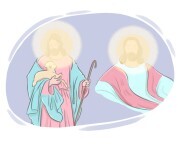
someone believed to speak by divine inspiration or interpret the will of God
profet, văzător
Moise este considerat un profet în mai multe tradiții religioase.
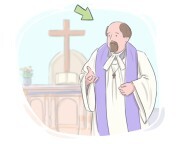
a trained individual who performs religious ceremonies, leads worship services, or provides spiritual guidance
ministru, pastor
Cuplul și-a cerut preotul să oficieze ceremonia lor de nuntă.
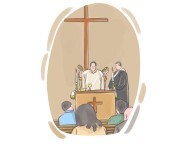
a religious ceremony of worship following a particular form, especially one held in a church
slujbă, ceremonie religioasă
A participat la un serviciu special pentru Ajunul Crăciunului la biserica ei locală.
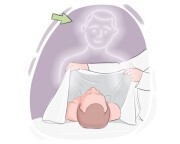
the spiritual part of a person that is believed to be the essence of life in them
suflet
Multe culturi cred că sufletul continuă să existe după moartea corpului.
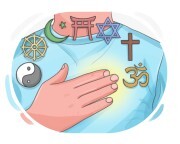
relating to sacred matters such as religion, church, etc.
spiritual, religios
Ea a găsit alinare în practicile spirituale precum meditația și rugăciunea.

a hole made in the ground for burying a dead body in
mormânt, groapă
Ea a așezat flori pe mormânt ca un omagiu adus persoanei dragi.
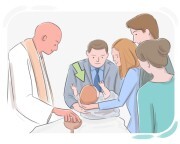
(Christianity) a child to whom at a baptism ceremony a godparent promises to help take care of and teach them about the religion
fin, fină
Finul s-a uitat la nașa sa pentru sfaturi și încurajare.

believing firmly in a particular religion
evlavios, religios
El duce un stil de viață evlavios, respectând ritualurile religioase cu o dăruire de neclintit.
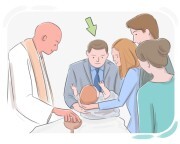
(Christianity) a man who promises to take care of a child and teach them about the religion at a baptism ceremony
naș, naș de botez
S-a simțit privilegiat să fie numit naș al nepotului său.
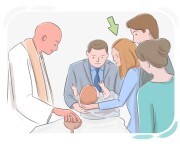
(Christianity) a woman who, during a baptism ceremony, promises to take care of a child and teach them about the religion
nănașă, mama de botez
Nasa a participat la toate evenimentele importante din viața copilului.

