pattern

Vocabulary for IELTS (Academic) - Energy and Fuel

Here you will learn some English words about energy and fuel, such as "biomass", "renewable", "radiation", etc. that are needed for the IELTS exam.

Review

Flashcards

Forms

Spelling

Quiz

Start learning
Words for Academic IELTS
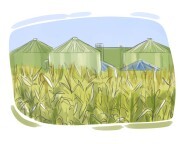
biomass
biomass
[noun]

animal or plant substances or other organic matter that is used as a source of fuel

Close
Sign in
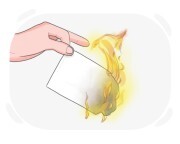
to burn
to burn
[Verb]

to consume fuel for the production of heat or energy
Ex: The engine burns diesel fuel to run the truck 's systems .
Close
Sign in
capacity
capacity
[noun]

the ability or power to achieve something or develop into a certain state in the future
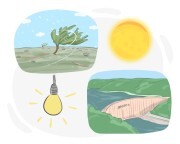
Ex: The city has the capacity to handle a larger population with the planned infrastructure upgrades .
Close
Sign in
coal-fired
coal-fired
[Adjective]

operated or produced by the use of coal as fuel

Close
Sign in
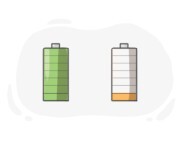
energy
energy
[noun]

(physics) a source of power that is required to do any work that may exist in potential, kinetic, thermal and other forms
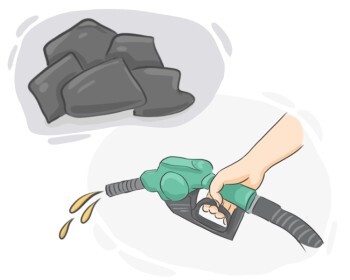
Ex: Chemical energy stored in batteries powers electronic devices.
Close
Sign in
fossil fuel

a fuel that is found in nature and obtained from the remains of plants and animals that died millions of years ago, such as coal and gas
Ex: Many cars still rely on fossil fuels like gasoline .
Close
Sign in
green
green
[Adjective]

(of a substance or product) causing no harm to the environment

Ex: The green building design includes features such as energy-efficient windows and water-saving fixtures .
Close
Sign in
power
power
[noun]

the energy that is obtained through different means, such as electrical or solar, to operate different equipment or machines
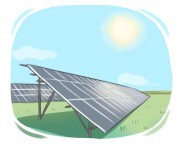
Ex: The computer shut down suddenly due to a power surge .
Close
Sign in
renewable
renewable
[Adjective]

(of a resource, energy, etc.) naturally restored as fast as or faster than they are used up
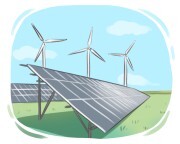
Ex: Geothermal energy , derived from the heat of the Earth 's core , is a renewable source of heat and electricity .
Close
Sign in
solar energy

power that is obtained from the sun in the form of electrical energy

Ex: Many countries are investing in solar energy to reduce reliance on fossil fuels .
Close
Sign in
solar panel

a piece of equipment, usually placed on a roof, that absorbs the energy of sun and uses it to produce electricity or heat
Ex: They installed solar panels on the roof to make the building more energy-efficient .
Close
Sign in
solid
solid
[Adjective]

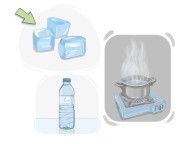
firm and stable in form, not like a gas or liquid
Ex: The scientist conducted experiments to turn the liquid into a solid state.
Close
Sign in
steam
steam
[noun]

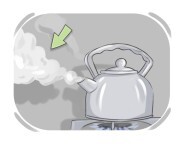
the hot gas produced when water is heated to the boiling point
Ex: In the cold winter air , steam from their breath was visible as they spoke .
Close
Sign in
atomic energy

a clean and powerful energy that is obtained by splitting atoms, which then can be used to produce heat, electricity, etc.

Ex: The research lab explores new ways to harness atomic energy efficiently .
Close
Sign in
core
core
[noun]

the central part of Earth, or any other planet
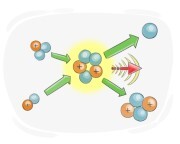
Ex: The core of Venus is thought to be similar to Earth 's , with a dense , metal-rich center .
Close
Sign in
fusion
fusion
[noun]

(physics) a nuclear reaction by which the nuclei of atoms combine and form a heavier nucleus, producing nuclear energy

Ex: The ITER project tests magnetic confinement for controlled fusion.
Close
Sign in
meltdown
meltdown
[noun]

the accident in which the core of a nuclear reactor fails to operate and the fuel melts the container releasing an alarming level of radiation

Close
Sign in
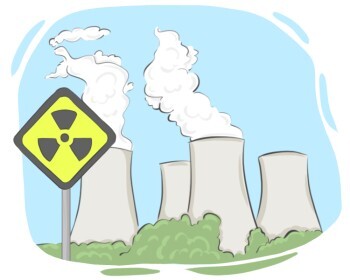
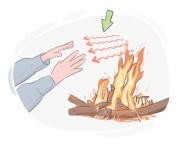
nuclear reactor

(physics) a structure that harnesses the energy produced from a nuclear reaction and converts it into electricity
Close
Sign in
radiation
radiation
[noun]

energy transmitted through space or matter in the form of waves or particles
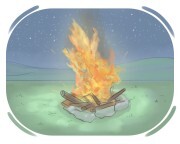
Ex: The lab measured radiation levels in the room .
Close
Sign in
radioactive waste

the dangerous and radioactive byproduct of a nuclear reaction

Close
Sign in
smokeless
smokeless
[Adjective]

able to burn with little or no smoke

Close
Sign in
to blaze
to blaze
[Verb]

to burn in a very bright and strong flame

Ex: The bonfire blazed high into the air , crackling with intensity .
Close
Sign in
to flame
to flame
[Verb]

to burn brightly in a hot gas

Ex: The grill flamed as the meat juices dripped onto the hot coals .
Close
Sign in
to ignite
to ignite
[Verb]

to cause something to catch fire

Ex: Chemical reactions can ignite flammable materials , leading to fires .
Close
Sign in
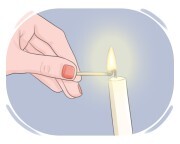
to strike
to strike
[Verb]

to make a fire or spark while two surfaces are rubbed against each other
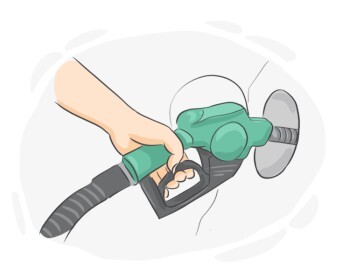
Ex: He struck the match repeatedly until a small flame appeared .
Close
Sign in
diesel
diesel
[noun]

an engine that uses compression ignition system to burn a type of heavy oil as fuel

Close
Sign in
petrol
petrol
[noun]

a liquid fuel that is used in internal combustion engines such as car engines, etc.

Ex: The engine requires unleaded petrol for better performance.
Close
Sign in
blackout
blackout
[noun]

a complete loss of electricity in a specific area
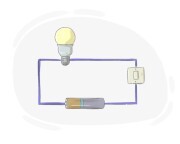
Ex: People lit candles to cope with the blackout at home .
Close
Sign in
current
current
[noun]

a flow of electricity resulted from the movement of electrically charged particles in a direction
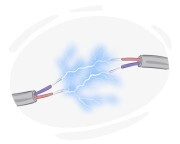
Ex: The alternator produces a current by moving charged particles within its magnetic field .
Close
Sign in
electricity

a source of power used for lighting, heating, and operating machines

Ex: We use electricity to power the lights in our house .
Close
Sign in
bioenergy
bioenergy
[noun]

a form of energy that is produced from organic or biological sources, which can be naturally replaced

Close
Sign in
biogas
biogas
[noun]

a gas, especially methane, that is produced as a result of the decomposition of animal or plant remains, which is used as fuel

Ex: Engineers are working on optimizing the biogas production process to increase the yield and reduce the costs of renewable energy .
Close
Sign in
hydropower

energy that is generated from the force of running water

Close
Sign in
green energy

energy that is produced using renewable, environmentally friendly sources, such as wind, solar, or hydroelectric power

Ex: Hydropower is a reliable and efficient type of green energy.
Close
Sign in
LanGeek
Download LanGeek app