pattern

Essential Vocabulary for the GRE - Money Doesn't Grow on Trees!

Here you will learn some English words about finance, such as "audit", "undercut", "subsidy", etc. that are needed for the GRE exam.

Review

Flashcards

Forms

Spelling

Quiz

Start learning
Essential Words Needed for the GRE
audit
audit
[noun]

a formal inspection of a business's financial records to see if they are correct and accurate or not

Ex: The company underwent an audit to ensure compliance with financial regulations. 
Close
Sign in
bankroll
bankroll
[noun]

the total amount of money a person or business has for spending or investing

Ex: The company increased its bankroll for the new project. 
Close
Sign in
bankruptcy

a situation in which a person or business is unable to pay due debts
Ex: The company declared bankruptcy after years of financial losses. 
Close
Sign in
voucher
voucher
[noun]

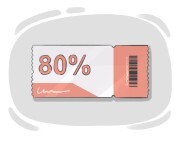
a digital code or a printed piece of paper that can be used instead of money when making a purchase or used to receive a discount
Ex: She received a gift voucher for her favorite restaurant as a birthday present. 
Close
Sign in
to undercut

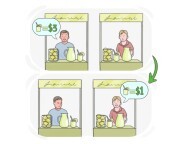
to demand a lower price than one's rivals

Ex: In a competitive market, businesses may undercut their rivals to attract price-sensitive customers. 
Close
Sign in
treasury
treasury
[noun]

the funds and resources that a country or organization controls

Ex: The government announced a new budget for the national treasury. 
Close
Sign in
tax evasion

the illegal acts done to pay less tax than what is owed or to avoid paying taxes altogether

Ex: The wealthy businessman was convicted of tax evasion after it was discovered that he had hidden millions of dollars in offshore accounts. 
Close
Sign in
taxation
taxation
[noun]

the system by which a government collects money from citizens and businesses to fund public services

Ex: Taxation is necessary to fund public schools and hospitals. 
Close
Sign in
tariff
tariff
[noun]

a tax paid on goods imported or exported

Ex: The government imposed a tariff on imported steel to protect domestic producers. 
Close
Sign in
subsidy
subsidy
[noun]

an amount of money that a government or organization pays to lower the costs of producing goods or providing services so that prices do not increase

Ex: The government provides subsidies to farmers to support agricultural production and maintain food security. 
Close
Sign in
stagflation

an economic situation with persistent high inflation and a high unemployment rate

Ex: The country experienced stagflation, with prices rising and jobs disappearing. 
Close
Sign in
collateral

a loan guarantee that may be taken away if the loan is not repaid

Ex: When securing a loan, the bank often requires borrowers to provide collateral, such as real estate or vehicles, to mitigate the risk of default. 
Close
Sign in
contingency

the funds that are set aside for unforeseen expenses that may arise in the future

Ex: The company allocated a portion of its budget as a contingency to cover unexpected costs, such as equipment repairs or legal fees. 
Close
Sign in
cryptocurrency

a digital or virtual form of currency secured by cryptography

Ex: Bitcoin is a popular type of cryptocurrency. 
Close
Sign in
depression

a time of little economic activity and high unemployment, which lasts for a long time

Ex: The Great Depression of the 1930s saw widespread unemployment and severe economic hardship. 
Close
Sign in
equity
equity
[noun]

the value of an asset after deducting all claims, debts, or liens against it

Ex: After paying off the mortgage, they had $120,000 in equity in their home. 
Close
Sign in
face value

the obvious meaning or worth of something, without looking deeper

Ex: He took the promise at face value without questioning it. 
Close
Sign in
fiscal
fiscal
[Adjective]

relating to government revenue or public money, especially taxes

Ex: The government faces challenges in balancing fiscal priorities while addressing social needs. 
Close
Sign in
fluctuation

the irregular or unpredictable variation in something over time, characterized by alternating changes

Ex: The stock market experienced significant fluctuations last week. 
Close
Sign in
incentive
incentive
[noun]

a payment or concession to encourage someone to do something specific

Ex: The company offered a bonus as an incentive for employees who exceeded their sales targets. 
Close
Sign in
liquidity
liquidity
[noun]

financial assets in the form of money or able to be easily converted into money

Ex: The company maintained high liquidity to cover unexpected expenses. 
Close
Sign in
monetarism

the theory or policy of controlling the amount of money in circulation as the preferred method of stabilizing the economy
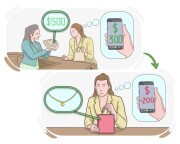
Ex: Monetarism emphasizes the role of monetary policy over fiscal policy. 
Close
Sign in
overdraft
overdraft
[noun]

a deficit in a bank account caused by withdrawing more money than is available

Ex: The bank charged a fee for the overdraft on her account. 
Close
Sign in
to quote
to quote
[Verb]

to estimate how much money something will cost
Ex: The contractor quoted us $10,000 for the kitchen renovation. 
Close
Sign in
commodity
commodity
[noun]

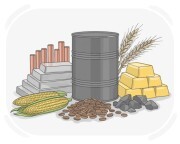
(economics) an unprocessed material that can be traded in different exchanges or marketplaces

Ex: Oil has long been a highly valued commodity on the global market, influencing economies and politics. 
Close
Sign in
conglomerate

a corporation formed by merging different firms or businesses

Ex: The conglomerate expanded its operations by acquiring companies in various industries such as technology, healthcare, and consumer goods. 
Close
Sign in
dividend
dividend
[noun]

an amount of money paid regularly to the shareholders of a company

Ex: The company announced a quarterly dividend of $1 per share. 
Close
Sign in
proprietor

the owner of a property or business

Ex: The proprietor of the bookstore greeted every customer personally. 
Close
Sign in
subsidiary

a business company controlled or owned by a holding or parent company

Ex: The tech giant acquired a new subsidiary to expand its product line. 
Close
Sign in
venture
venture
[noun]

a business activity that is mostly very risky
Ex: They started a new venture in the tech industry, knowing the risks. 
Close
Sign in
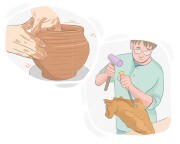
artisan
artisan
[noun]

a skilled craftsperson who creates objects partly or entirely by hand

Ex: The artisan crafted beautiful pottery by hand. 
Close
Sign in
labor-intensive
labor-intensive
[Adjective]

related to a line of work that requires large groups of workers to be able to function

Ex: Farming is a labor-intensive industry, especially during harvest season. 
Close
Sign in
menial
menial
[Adjective]

(of work) not requiring special skills, often considered unimportant and poorly paid

Ex: She took a menial job to support herself during college. 
Close
Sign in
painstaking
painstaking
[Adjective]

requiring a lot of effort and time

Ex: She conducted a painstaking investigation to uncover the truth behind the mysterious disappearance. 
Close
Sign in
sabbatical

a paid leave from work, often taken every seven years, for study or personal growth

Ex: She took a sabbatical to write her novel. 
Close
Sign in
taxing
taxing
[Adjective]

demanding or requiring a considerable amount of effort and energy to deal with

Ex: The marathon was a taxing experience for all the runners. 
Close
Sign in
tedious
tedious
[Adjective]

boring and repetitive, often causing frustration or weariness due to a lack of variety or interest

Ex: The tedious task of filing paperwork made the afternoon drag on. 
Close
Sign in
minute
minute
[noun]

a written record summarizing the proceedings and decisions made

Ex: She was responsible for taking the minute during the meeting. 
Close
Sign in
hectic
hectic
[Adjective]

extremely busy and chaotic

Ex: The office was always hectic during the end of the month with deadlines approaching. 
Close
Sign in
LanGeek
Download LanGeek app