
Essential Vocabulary for the GRE - Don't Do the Crime, If You Can't Do the Time!
Here you will learn some English words about crime, such as "warden", "bootleg", "stalk", etc. that are needed for the GRE exam.
Review
Flashcards
Forms
Spelling
Quiz


the official in charge of a prison or correctional facility, responsible for overseeing the administration, security, and well-being of inmates
an individual or group of individuals who take the law into their own hands, acting outside the legal system to enforce their version of justice or address perceived wrongs
to enter someone's land or building without permission
the act of betraying one's country by rebelling against its government
proof that indicates a person was somewhere other than the place where a crime took place and therefore could not have committed it
the use of elements from one culture by another, often without permission

the unlawful intentional use of harmful or offensive physical contact against another person
to gain money, property, or some advantage by threatening someone
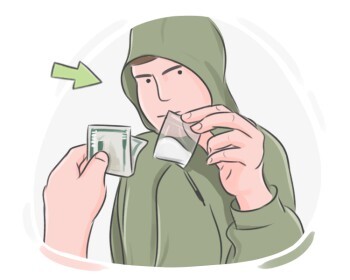
to sell or distribute illicit products, such as drugs, alcohol, or counterfeit goods
the killing of a criminal as punishment
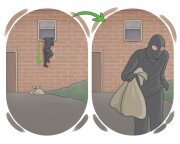
the act of stealing something from someone or somewhere

to use deceit in order to deprive someone of their money or other possessions
a nonforced sexual intercourse with a person under the age of consent
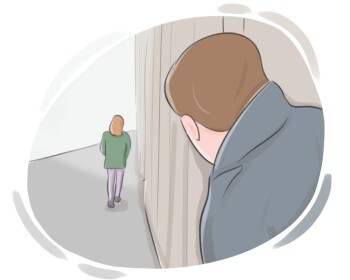
to follow, watch, or pursue someone persistently and often secretly, causing them fear or discomfort
the practice of isolating a prisoner in a small, often windowless cell, with minimal human contact or environmental stimulation, as a form of punishment or for security reasons
the act of violently stealing a car while someone is inside it
to cooperate secretly or illegally for deceiving other people
the act of participating in a crime or wrongdoing along with another person or group
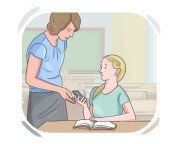
to officially take away something from someone, usually as punishment
goods or items whose importation, exportation, or possession is prohibited by law
a false statement damaging a person's reputation

to secretly steal money entrusted to one's care, typically by manipulating financial records, for personal use or gain
(law) a practice in which government officials persuade someone to commit a crime that one would not have done by choice
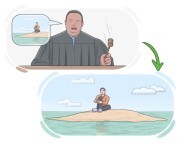
to force someone to leave their home or country and live elsewhere

to send someone accused of a crime to the place where the crime happened or where they are wanted for legal matters
the criminal act of making a copy of a document, money, etc. to do something illegal
a temporary release of a convict from prison
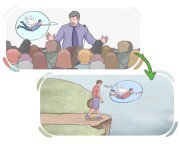
to manipulate someone into questioning their own perceptions, memories, or sanity, often by denying or distorting the truth
a mass murder committed in order to destroy a particular nation, religious or ethnic group, or race
the act of stealing a property that exceeds a certain value lawfully which is considered a serious crime
a device for beheading, featuring a tall frame with a suspended blade released to swiftly sever the condemned person's head
to convince or make someone do something
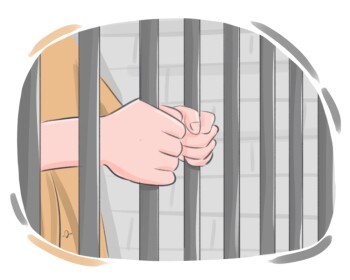
to confine someone in prison or a similar facility due to legal reasons or as a form of punishment
to provide evidence or information that suggests a person's involvement in a crime or wrongdoing
one that secretly provides information about something or someone for the police or investigators
a person who breaks into someone else's property; often with a criminal intention
to make some alterations in order to make something that has been obtained illegally, especially money and currency appear legal or acceptable

to take someone away and hold them in captivity, typically to demand something for their release
an action that is considered wrong or unacceptable yet not very serious
| Essential Vocabulary for the GRE | |||
|---|---|---|---|
| Emotional Rollercoaster | Ups and Downs | Jekyll and Hyde | Pass With Flying Colors |
| Don't Do the Crime, If You Can't Do the Time! | Take the Law into Your Hands! | House of Cards | Café Society |
| Fight Fire With Fire | A Cold Day in Hell | Paranoid Android | Scientifically Speaking |
| You DO the Math! | A Drop in the Ocean | The Space-time Continuum | Money Doesn't Grow on Trees! |
