pattern

Essential Vocabulary for the GRE - Take the Law into Your Hands!

Here you will learn some English words about law, such as "cuff", "infringe", "litigate", etc. that are needed for the GRE exam.

Review

Flashcards

Forms

Spelling

Quiz

Start learning
Essential Words Needed for the GRE
affidavit
affidavit
[noun]

a written statement affirmed by oath that can be used as evidence in court
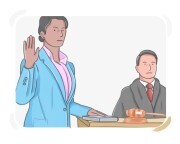
Ex: She signed an affidavit, swearing under oath to tell the truth in her statement to the court. 
Close
Sign in
to acquit
to acquit
[Verb]

to officially decide and declare in a law court that someone is not guilty of a crime

Ex: The company was accused of wrongdoing, but after a thorough investigation, they were acquitted of any illegal activities. 
Close
Sign in
annulment
annulment
[noun]

a legal process of declaring a marriage or any type of official contract null and void as if it had never existed

Ex: The annulment of the official document was required to correct the administrative error. 
Close
Sign in
binding
binding
[Adjective]

legally required to be followed and cannot be avoided

Ex: Signing the lease makes it a binding contract, so you're committed to paying rent for the agreed-upon period. 
Close
Sign in
conveyance

a legal document that transfers a right or property from one person to another

Ex: Her lawyer prepared a conveyance to finalize the transfer of the estate. 
Close
Sign in
to countersign

to add a second signature to a document or agreement to verify its authenticity; serving as a form of validation of the primary signature

Ex: The manager asked her assistant to countersign the contract for final approval. 
Close
Sign in
to cuff
to cuff
[Verb]

to restrain someone by securing their wrists together, often using a device, commonly done by law enforcement during an arrest or to maintain control

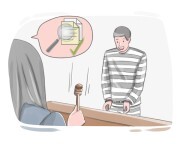
Ex: The police officer decided to cuff the suspect to ensure safety during the arrest. 
Close
Sign in
debenture
debenture
[noun]

a financial pact with details about interest rates and when the borrowed money will be paid back, not tied to any specific belongings

Ex: The company issued a debenture to raise funds for its expansion project 
Close
Sign in
decree
decree
[noun]

an official authoritative decision or judgment, especially one made by a government or the ruler of a country

Ex: The king issued a decree establishing a new tax law. 
Close
Sign in
to draw up

to create a plan, document, or written agreement, often in a formal or official context
Ex: The lawyer was hired to draw up a contract outlining the terms of the business partnership. 
Close
Sign in
to enforce

to ensure that a law or rule is followed

Ex: The police are tasked with enforcing the laws to maintain public order. 
Close
Sign in
impeachment

the process of a governmental figure bringing charges against a government official and marking the first step toward potential removal from office

Ex: He faced impeachment over allegations of misconduct while in office. 
Close
Sign in
indictment

a formal accusation of a crime

Ex: The indictment revealed a complex web of illegal activities involving drug trafficking and money laundering. 
Close
Sign in
to infringe

to violate someone's rights or property

Ex: The company was warned about potential legal consequences if it continued to infringe environmental regulations. 
Close
Sign in
tribunal
tribunal
[noun]

a group of certified people who are chosen to examine legal problems at the court

Ex: He awaited the tribunal’s verdict on his appeal. 
Close
Sign in
inquest
inquest
[noun]

an official investigation that is held in front of a jury; especially in cases associated with death by unnatural causes

Ex: The inquest revealed that the death was caused by a drug overdose. 
Close
Sign in
intestacy
intestacy
[noun]

the condition of dying without a valid will, leaving the distribution of one's estate to be determined by the laws of intestate succession rather than specific instructions in a will

Ex: In the absence of a will, the deceased's estate will be subject to intestacy, and the distribution will follow legal guidelines. 
Close
Sign in
judiciary
judiciary
[noun]

the part of a country's government that administers the legal system, including all its judges

Ex: The judiciary is responsible for interpreting the laws and ensuring justice. 
Close
Sign in
legislation

a formal rule or collection of rules enacted by a governing authority

Ex: The new environmental legislation limits carbon emissions from factories. 
Close
Sign in
legitimate
legitimate
[Adjective]

officially allowed or accepted according to the rules or laws that apply to a particular situation

Ex: The company's operations were deemed legitimate after passing all regulatory inspections. 
Close
Sign in
legislature

a group of elected officials responsible for making and changing laws in a government or state
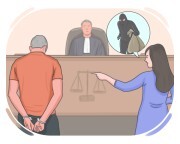
Ex: The legislature passed new laws to protect the environment. 
Close
Sign in
to litigate

to initiate legal action against another party or person
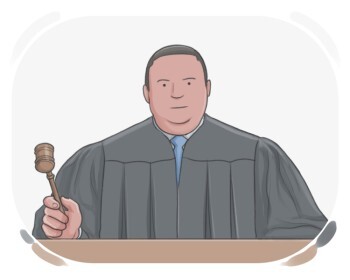
Ex: The company decided to litigate after the breach of contract. 
Close
Sign in
magistrate

a person who acts as a judge in a law court and deals with minor offenses

Ex: The magistrate presided over the small claims court, resolving disputes between individuals. 
Close
Sign in
memorandum

a document outlining the terms of understanding or agreement between parties, often used in legal or business contexts

Ex: The team drafted a memorandum to outline the new project guidelines. 
Close
Sign in
to overturn

to reverse, abolish, or invalidate something, especially a legal decision

Ex: The Supreme Court decided to overturn the lower court's ruling, citing a procedural error. 
Close
Sign in
to pardon
to pardon
[Verb]

to discharge a criminal from the legal consequences of a conviction or violation

Ex: The governor decided to pardon the prisoner after reviewing his case. 
Close
Sign in
parole
parole
[noun]

(law) the permission for a prisoner to leave prison before the end of their imprisonment sentence, on the condition of good conduct

Ex: After serving half of his sentence in prison, the inmate was eligible for parole, subject to certain conditions and supervision. 
Close
Sign in
plaintiff
plaintiff
[noun]

a person who brings a lawsuit against someone else in a court
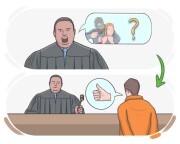
Ex: The plaintiff presented compelling evidence to support their case. 
Close
Sign in
to plead
to plead
[Verb]

to state in a court of law, in front of the judge and the jury, whether someone is guilty or not guilty of a crime

Ex: The defendant pleaded not guilty to the charges of robbery and assault. 
Close
Sign in
proceedings

actions taken in a court of law in order to settle an argument

Ex: The lawyer reviewed the court proceedings carefully before the trial. 
Close
Sign in
provision
provision
[noun]

an agreed-upon condition or requirement outlined in an agreement, law, or document

Ex: The contract includes a provision for early termination with a penalty. 
Close
Sign in
prosecution

the process of bringing someone to court in an attempt to prove their guilt

Ex: The lengthy prosecution involved several months of court hearings. 
Close
Sign in
waiver
waiver
[noun]

an official statement according to which one gives up their legal right or claim

Ex: He signed a waiver to participate in the extreme sports event. 
Close
Sign in
to void
to void
[Verb]

to announce that something is no longer legally valid or binding
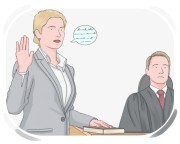
Ex: The court voided the contract due to a breach of terms by the seller. 
Close
Sign in
testimony
testimony
[noun]

a formal statement saying something is true, particularly made by a witness in court

Ex: The witness provided compelling testimony that corroborated the victim's account. 
Close
Sign in
statute
statute
[noun]

an officially written and established law

Ex: The new statute requires all drivers to use hands-free devices while driving. 
Close
Sign in
to testify

to make a statement as a witness in court saying something is true

Ex: Witnesses are called to testify about what they saw during the accident. 
Close
Sign in
to abide by

to follow the rules, commands, or wishes of someone, showing compliance to their authority

Ex: The employees must abide by the supervisor's instructions at the construction site. 
Close
Sign in
to remand
to remand
[Verb]

to send a case back to a court of lower authority for additional reconsideration or review

Ex: The appellate court remanded the case to the lower court for further proceedings. 
Close
Sign in
to uphold
to uphold
[Verb]

(particularly of a law court) to state that a previous decision is correct

Ex: The Supreme Court decided to uphold the lower court's ruling, affirming the original verdict. 
Close
Sign in
LanGeek
Download LanGeek app