
Medical Science - General Verbs Related to Medicine
Here you will learn some general English verbs related to medicine, such as "prescribe", "inject", and "anesthetize".
Review
Flashcards
Forms
Spelling
Quiz
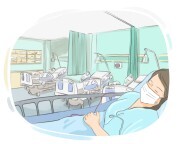
(of a hospital) to take in a patient so that they can receive treatment

to officially declare someone mentally ill or insane
to officially order to send a person to prison, psychiatric hospital, etc.
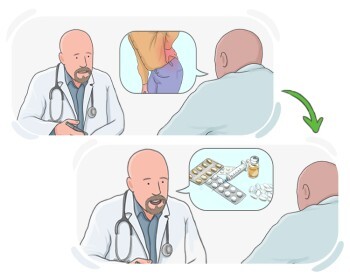
to make someone regain their health
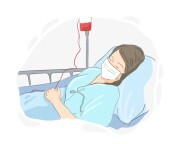
to send someone to hospital for medical treatment
to classify or interpret a non-medical condition, behavior, or aspect of life in terms of medical concepts or frameworks, often resulting in medical intervention or treatment
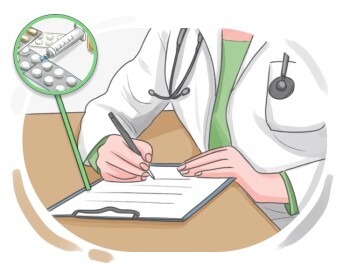
(of a healthcare professional) to tell someone what drug or treatment they should get
to provide medical care such as medicine or therapy to heal injuries, illnesses, or wounds and make someone better
to accept a patient into a hospital shortly after discharge for a second or subsequent time

to prepare and provide medicine to patients according to a doctor's orders
to give or measure out a specific amount of medication or substance
to insert a substance or material into the body, often through a needle
to boost the immunity system of a person or animal against a disease by vaccination
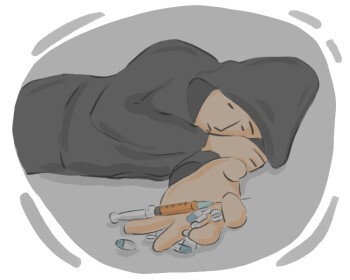
to take an excessive and dangerous amount of a drug or medicine
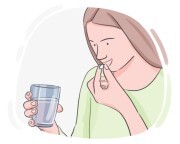
to consume a drug, medication, or substance in a specified manner, such as swallowing, inhaling, or injecting
to protect a person or an animal against a disease by giving them a preventive shot against specific diseases
to stop taking medicine, a drug, alcohol, etc.
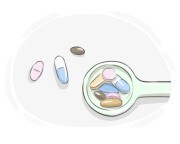
to give someone medicine, drugs, etc.
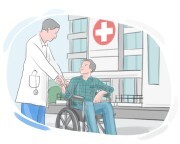
to allow a patient to leave the hospital because they have recovered and no longer need to receive inpatient care
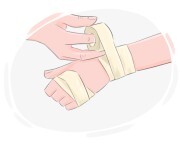
to tie an injury or a wound with tape, particularly adhesive tape
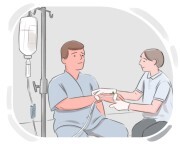
to slowly administer a drug or other substance through a needle or catheter into the bloodstream
to keep a person or an animal apart to stop a contagious illness from spreading
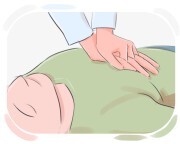
to make a person become conscious again
to keep oneself away from others for a period of time in order to prevent the spread of an infectious disease
to administer drugs to a patient in order to prevent pain or to induce a loss of consciousness during surgery or medical procedures
to cover a wound or part of the body with a piece of cloth for protection
to undergo a process to remove toxins, typically associated with substances like drugs or alcohol, from the body

to clean the wound properly and apply bandages in order to promote healing and to protect it from further harm

to cause a person or thing to return to a state of physical or emotional health
to protect an animal or a person from a disease by vaccination
to cleanse a wound or body cavity with a liquid, usually saline solution, for hygiene or therapeutic purposes
to skillfully adjust or move body parts for diagnostic, therapeutic, or corrective purposes
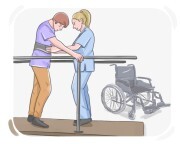
to help someone to restore to a healthy and independent state after a period of imprisonment, addiction, illness, etc.
to bring someone to a state of consciousness, typically by administering medical aid or CPR
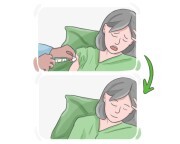
to give a calming substance to a person or animal, often for medical reasons or to reduce anxiety

to make something steady and prevent it from fluctuating
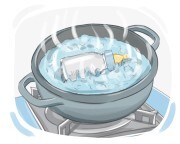
to remove all bacteria or other microorganisms from something
to bind or cover a wound or an injured part of the body with a strip of cloth
to clean, apply medication to, or remove liquid from a wound using a swab
to make a person or animal calm or unconscious using drugs, like sedatives
to give parts of one's body like blood, organs, tissues or other substances for medical purposes such as research, transplants, or treatment
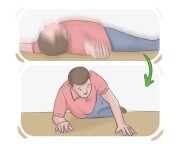
to awaken from a state of unconsciousness
| Medical Science | |||
|---|---|---|---|
| Blood Test | Genetic and Prenatal Test | Kidney Test | Dentistry |
| Pregnancy | General Verbs Related to Medicine | Verbs Related to Operation and Examination | General Nouns Related to Medicine |
