
Základní Slovní Zásoba pro TOEFL - Tělesná postižení a nemoci
Zde se naučíte některá anglická slova o tělesných postiženích a nemocech, jako je "postižení", "AIDS", "mor" atd., která jsou potřebná pro zkoušku TOEFL.
Revize
Kartičky
Pravopis
Kvíz
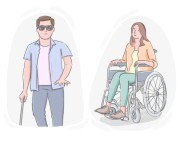
a physical or mental condition that makes it difficult for a person to do some activities and usually lasts for a long time

postižení, invalidita

a recognizable group of signs and symptoms that occur together and characterize a particular medical condition
syndrom
a state or condition in which a part of one's body or brain does not work properly
poškození, porucha
Její kognitivní postižení jí ztěžovalo zpracování složitých informací.
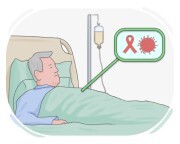
the most advanced stage of HIV infection, in which the immune system is severely weakened and becomes vulnerable to serious infections and illnesses
AIDS, syndrom získaného selhání imunity
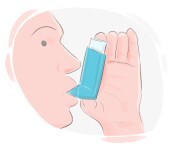
a disease that causes shortness of breath and difficulty in breathing
astma, onemocnění dýchacích cest
Je důležité, aby lidé s astmatem úzce spolupracovali se svými poskytovateli zdravotní péče, aby zvládli svůj stav a předešli zhoršení.

a disease in which abnormal cells grow uncontrollably and may invade nearby tissues or spread to other parts of the body
rakovina, karcinom

a potentially fatal illness that is acquired from consumption of water or food contaminated with particular bacteria, causing diarrhea and vomiting
cholera, cholera nemoc
Lékaři neúnavně pracovali na léčbě pacientů trpících cholerou v provizorní klinice.
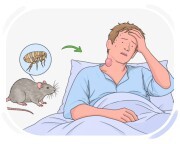
a dangerous disease spread by rats that causes fever and swellings, often kills if infected
mor, černá smrt
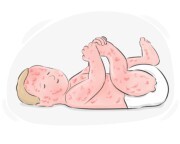
a contagious disease that causes high fever and small red spots on the body, common in children
spalničky, onemocnění spalničkami
Komplikace spalniček mohou zahrnovat zápal plic, encefalitidu (zánět mozku) a v těžkých případech smrt.
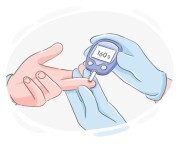
a serious medical condition in which the body is unable to regulate the blood sugar levels because it does not produce enough insulin
diabetes
a contagious disease that causes a mild fever and an itchy rash with blisters, primarily affects children
plané neštovice, varicela
an infectious disease caused by a type of virus called coronavirus that causes fever, tiredness, a cough, etc., and in some cases can kill, originated in China and later became a pandemic
COVID-19, onemocnění koronavirem 2019
Pandemie COVID-19 měla hluboké socioekonomické dopady, což vedlo ke změnám ve zdravotní péči, cestování a každodenním životě po celém světě.
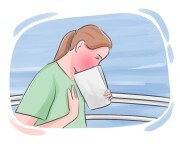
wooziness and nausea caused by the rocking motion of a boat or ship
mořská nemoc, nevolnost z houpání lodi
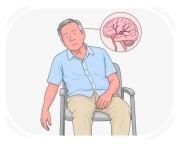
a dangerous condition in which a person loses consciousness as a result of a blood vessel breaking open or becoming blocked in their brain, which could kill or paralyze a part of their body
mrtvice, mozková příhoda
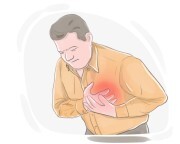
a medical emergency that happens when blood flow to the heart is suddenly blocked, which is fatal in some cases
srdeční infarkt, infarkt myokardu
Náhlý infarkt překvapil všechny a zdůraznil nepředvídatelnost srdečních onemocnění.
the act in which a disease-causing organism, such as a virus or parasite, causes a particular illness
infekce
a critical physical state in which the body fails to circulate blood effectively, leading to low oxygen delivery and potential organ collapse
stav šoku, šok
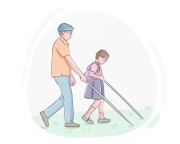
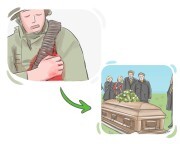
resulting in death
smrtelný, fatální
Turista spadl z útesu a utrpěl smrtelná zranění při dopadu.
completely or partial inability to use a part of one's body or mind, caused by an illness, injury, etc.
postižený, invalidní
a physical or mental condition that limits a person's ability to perform certain activities
postižení, handicap

the state or condition of being totally or partially unable to hear
hluchota, stav hluchoty
Včasné odhalení hluchoty je nezbytné pro lepší výsledky.

the condition or state of being completely or partially unable to see
slepota, ztráta zraku
Lékař vysvětlil, že šedý zákal může vést k postupnému oslepnutí, pokud se neléčí.
a potentially severe bacterial disease that primarily affects the lungs and causes swellings to appear on them or other parts of the body
tuberkulóza
particular requirements that a person has, especially an individual with physical, emotional, or mental disability
zvláštní potřeby, speciální požadavky
