

pattern

Vocabulario para IELTS General (Puntuación 6-7) - Preparación de Alimentos

Aquí, aprenderás algunas palabras en inglés relacionadas con la preparación de alimentos que son necesarias para el examen IELTS General Training.

Revisión

Tarjetas de memoria

formas

Ortografía

Cuestionario

Empezar a aprender
Vocabulary for General Training IELTS (6-7)
to garnish
to garnish
[Verbo]

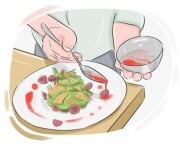
to make food look more delicious by decorating it

adornar, aderezar, decorar

adornar, aderezar, decorar

Ex: She garnished the salad with cherry tomatoes and fresh herbs. 
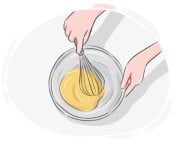
to whisk
to whisk
[Verbo]

to beat or mix rapidly, typically with a utensil such as a whisk

batir, mezclar rápidamente

batir, mezclar rápidamente

Ex: She whisked the eggs vigorously to create a fluffy omelette. 
to stir
to stir
[Verbo]

to move a spoon, etc. around in a liquid or other substance to completely mix it

revolver, remover

revolver, remover

Ex: She gently stirred the soup, ensuring all the flavors blended perfectly before serving. 
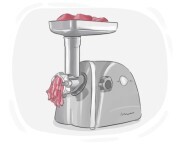
to mince
to mince
[Verbo]

to cut meat or other food into very small pieces, usually using a meat grinder or a sharp knife

picar

picar

Ex: Mince the garlic cloves finely before adding them to the sauce. 
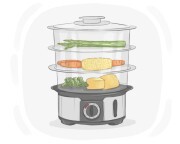
to steam
to steam
[Verbo]

to cook using the steam of boiling water

cocer al vapor, cocinar al vapor

cocer al vapor, cocinar al vapor

Ex: She loves to steam vegetables for a healthy side dish. 
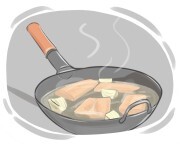
to simmer
to simmer
[Verbo]

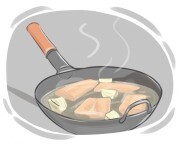
to cook something at a temperature just below boiling, allowing it to bubble gently

hervir a fuego lento, cocer a fuego lento

hervir a fuego lento, cocer a fuego lento

Ex: She simmers the soup for rich flavor. 
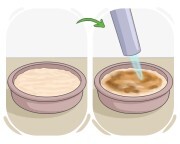
to caramelize

to heat sugar or other foods until it becomes a golden brown color and develops a rich flavor and aroma

caramelizar, hacer caramelizar

caramelizar, hacer caramelizar

Ex: The chef decided to caramelize the onions for a sweet and savory flavor in the dish. 
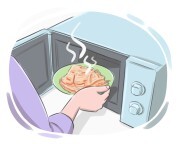
to reheat
to reheat
[Verbo]

to warm previously cooked food

recalentar

recalentar

Ex: She reheated yesterday's leftovers for lunch. 
to debone
to debone
[Verbo]

to remove the bones from meat or fish

deshuesar, quitar las espinas

deshuesar, quitar las espinas

Ex: The sushi chef expertly deboned the fish to prepare a delicate sashimi platter. 
to drizzle
to drizzle
[Verbo]

to pour a thin, fine stream of liquid, such as sauce, oil, or syrup, over food

verter en hilo, rociar

verter en hilo, rociar

Ex: To enhance the presentation, the pastry chef drizzled chocolate sauce in a delicate pattern over the dessert. 
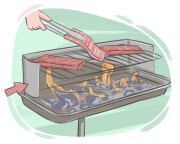
to barbecue

to grill food over fire, adding flavor with marinades or spices

asar a la parrilla

asar a la parrilla

Ex: He loves to barbecue burgers and hot dogs on the grill during summer cookouts. 
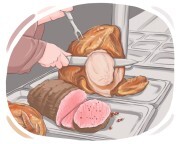
to carve
to carve
[Verbo]

to cut a piece of cooked meat into smaller pieces

trinchar, cortar

trinchar, cortar

Ex: At the family dinner table, the father skillfully carved the roast turkey. 
to seed
to seed
[Verbo]

to remove the seeds from a fruit or vegetable

despepitar, quitar las semillas

despepitar, quitar las semillas

Ex: I always seed the tomatoes before using them in my salsa recipe. 
to stew
to stew
[Verbo]

to cook something at a low temperature in liquid in a closed container

guisar, estofar, cocer

guisar, estofar, cocer

Ex: Stew the beef with vegetables and broth in a slow cooker for several hours until it's tender. 
to soak
to soak
[Verbo]

to make someone or something extremely wet

calar, empapar

calar, empapar

Ex: The sudden downpour soaked everyone at the outdoor concert, leaving them drenched and scrambling for cover. 
LanGeek
Descargar la aplicación LanGeek