pattern

Vocabulary for IELTS Academic (Band 8-9) - Religion

Here, you will learn some English words related to Religion that are necessary for the Academic IELTS exam.

Review

Flashcards

Forms

Spelling

Quiz

Start learning
Vocabulary for Academic IELTS (8)
gospel
gospel
[noun]

a set of teachings or principles of a religious group considered authoritative or generally accepted within that group

Ex: Followers adhere to the gospel of their faith. 
Close
Sign in
apostle
apostle
[noun]

any one of the twelve disciples of Jesus

Ex: Peter, also known as Simon Peter, was one of the apostles of Jesus and is often regarded as the leader among them. 
Close
Sign in
exorcism
exorcism
[noun]

the religious or spiritual practice of driving out evil spirits or entities from a person or place

Ex: The priest performed an exorcism to rid the house of spirits. 
Close
Sign in
sacrilege
sacrilege
[noun]

the act of disrespectfully treating a sacred item or place

Ex: Vandalizing a place of worship is considered a sacrilege by many religious communities. 
Close
Sign in
pantheism
pantheism
[noun]

the belief that God and the universe are one and the same, considering the entire natural world as a divine expression of God

Ex: Some proponents of pantheism find solace and a sense of awe in contemplating the vastness and complexity of the universe. 
Close
Sign in
polytheism

the belief in or worship of multiple gods or deities

Ex: Polytheism was a common religious belief in many ancient civilizations, such as ancient Greece, Rome, and Egypt, where various gods and goddesses were worshiped. 
Close
Sign in
purgatory
purgatory
[noun]

in certain Christian beliefs, a temporary state of purification for souls after death, preparing them for entry into heaven

Ex: In Catholic theology, believers may undergo purification in purgatory to achieve holiness before entering heaven. 
Close
Sign in
eschatology

the branch of theology concerned with the study of the end times, final events, and the ultimate destiny of humanity and the world

Ex: Eschatology in Christianity delves into beliefs about the Second Coming of Christ, the Last Judgment, and the establishment of a new heaven and earth. 
Close
Sign in
resurrection

the return to life of Christ on the third day after his death on the cross, according to the New Testament

Ex: Christians celebrate the resurrection of Jesus Christ on Easter Sunday, commemorating his victory over death and sin. 
Close
Sign in
sanctity
sanctity
[noun]

the state or quality of being sacred or morally pure

Ex: The sanctity of the temple was preserved through rituals and ceremonies that emphasized its holiness. 
Close
Sign in
commandment

one of the biblical Ten Commandments, guiding ethical conduct in religious traditions

Ex: The Ten Commandments, given to Moses on Mount Sinai, include fundamental commandments like "You shall not murder" and "You shall not steal." 
Close
Sign in
creationism

the belief that the universe and living organisms originated through divine acts of creation, often differing from scientific explanations such as evolution

Ex: Creationism is a prominent perspective in some religious communities, influencing educational curricula and beliefs about human origins. 
Close
Sign in
deadly sin

a severe or morally corrupting sin, traditionally one of seven sins in Christian theology, including lust, gluttony, greed, sloth, wrath, envy, and pride

Ex: Pride is considered a deadly sin, warning against excessive self-importance or arrogance. 
Close
Sign in
doomsday
doomsday
[noun]

a belief or prophecy predicting a catastrophic end to the world within religious traditions

Ex: In Christianity, doomsday is associated with the Second Coming of Christ and the final judgment. 
Close
Sign in
heresy
heresy
[noun]

a belief or opinion that contradicts the established doctrines of a religion

Ex: Galileo's support for heliocentrism was once considered heresy by the Church. 
Close
Sign in
millenarianism

the belief, in Christian eschatology, that Christ will reign on Earth for a thousand years as described in the Book of Revelation

Ex: The sect practiced millenarianism, expecting the imminent reign of Christ. 
Close
Sign in
paganism
paganism
[noun]

the belief in or worship of multiple deities, often associated with nature, and typically not adhering to major world religions such as Christianity, Islam, or Judaism

Ex: Ancient civilizations practiced paganism, venerating a diverse array of nature gods and goddesses. 
Close
Sign in
predestination

(in theology) the doctrine that all events, including human salvation or damnation, are determined in advance by God

Ex: Calvin's teachings emphasized predestination as a key element of faith. 
Close
Sign in
abbess
abbess
[noun]

the female head of an abbey, convent, or other religious houses of nuns

Ex: We elected Sister Margaret as our new abbess, recognizing her leadership qualities and dedication to the community. 
Close
Sign in
abbot
abbot
[noun]

the male spiritual leader and administrator of an abbey, monastery, or group of monasteries
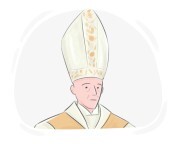
Ex: Let us gather in the chapel to listen to the abbot's sermon, as his words always bring clarity and inspiration. 
Close
Sign in
bishop
bishop
[noun]

a high-ranking priest who supervises all the churches and priests in a city

Ex: The bishop presided over the ordination ceremony for the new priests in the diocese. 
Close
Sign in
rosary
rosary
[noun]

a set of beads used for counting prayers, especially in the Catholic tradition

Ex: During prayer, the devout Catholic gently fingers each bead on the rosary, reciting specific prayers in a prescribed order. 
Close
Sign in
providence

the divine guidance, care, and intervention of a higher power

Ex: The religious community attributed their survival in difficult times to the providence of God, believing in divine protection. 
Close
Sign in
sectarianism

the intense devotion to a particular religious or political sect, often leading to prejudice or discrimination against members of other sects

Ex: Sectarianism has been a persistent challenge in regions marked by religious diversity, leading to tensions and conflicts between different religious communities. 
Close
Sign in
agnosticism

uncertainty or lack of commitment regarding the existence of deities or the ability to know and comprehend the nature of ultimate reality

Ex: Agnosticism is marked by a humble acknowledgment that the existence of God or spiritual truths is uncertain and beyond definitive human understanding. 
Close
Sign in
apocalypse

a catastrophic event, often with cosmic or divine origins, believed to cause widespread destruction or significant change in the world

Ex: Throughout history, various cultures have envisioned an apocalypse, a momentous event signaling the end of an era. 
Close
Sign in
theosophy
theosophy
[noun]

a religious and philosophical system that seeks to explore the mysteries of the divine and the nature of reality through a combination of spiritual insight, ancient wisdom, and esoteric teachings

Ex: Theosophy proposes a holistic understanding of spirituality, drawing inspiration from various religious and mystical traditions. 
Close
Sign in
pantheon
pantheon
[noun]

a monumental building dedicated to gods and goddesses
Ex: The Mayan civilization built impressive pantheons to honor their gods and ancestors. 
Close
Sign in
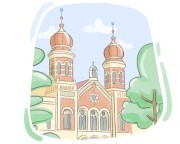
synagogue
synagogue
[noun]

a place of worship and religious study for Jews

Ex: The synagogue was beautifully decorated for the High Holidays, creating a warm and inviting atmosphere for worshippers. 
Close
Sign in
hermit
hermit
[noun]

a person who lives a very simple life in solitude as a religious practice

Ex: The hermit lived deep in the forest, away from the distractions of the world, devoting himself to prayer and meditation. 
Close
Sign in
chapel
chapel
[noun]

a small place for prayer or religious services that is separate from a main church or cathedral

Ex: The monks gathered in the chapel for morning prayers. 
Close
Sign in
consecration

act or ceremony of declaring something sacred or dedicated to a divine purpose, particularly in Christianity

Ex: In certain religious traditions, the consecration of a bishop is a sacred ritual that marks the individual's appointment to a holy office within the church. 
Close
Sign in
LanGeek
Download LanGeek app