
Cambridge English: CAE (C1 Advanced) - Rodina a Sociální Spojení
Revize
Kartičky
tvary
Pravopis
Kvíz


(of a group of people) having a strong friendly relationship with shared interests

soudržný, semknutý
Mají těsné vztahy postavené na důvěře a společných zkušenostech.
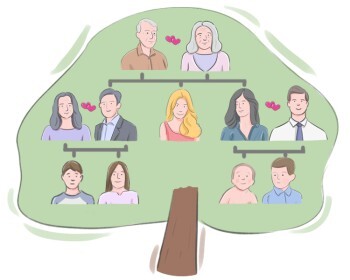
a large family group consisting of parents and children that might also include grandparents, aunts, or uncles
širší rodina, velká rodina
Širší rodina pomáhala vychovávat děti a poskytovala další péči a vedení.

a person who takes someone else's child and raises them without legally becoming their parent
pěstounský rodič, pěstounská rodina
Našla velkou radost a naplnění ve své roli pěstounského rodiče, pomáhala dětem prospívat.
![to [keep] {sb} posted](https://cdn.langeek.co/photo/44786/thumb/350?type=jpeg "to [keep] {sb} posted")
to provide someone with sufficient and relevant information regarding someone or something
průběžně informovat, dávat vědět
Díky, že jsi mě během mé cesty průběžně informoval.
lasting the whole of a person's life
celoživotní, trvalý
Organizace si klade za cíl poskytovat příležitosti k celoživotnímu učení pro dospělé.

to come together with someone, usually by prior arrangement or plan in order to spend time or do something together
setkat se, vidět se
Minulý víkend jsme se sešli na koncertě a skvěle jsme se bavili.
![to [keep] {one's} word](/assets/img/no-pic-700w.png "to [keep] {one's} word")
to do what one promised to do
a person who raises a child or children without a spouse or partner
osamělý rodič, samoživitel
Je to samoživitel, který sám vychovává dvě děti.
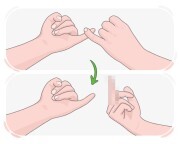
to not do something one has promised or agreed to do
vystoupit, ustoupit
Ztratil sebedůvěru a odstoupil od dohody v poslední chvíli.
to maintain contact or communication with someone
to visit someone or somewhere quickly and usually without planning, often for a short time
zaskočit, udělat krátkou návštěvu
Zaskočím do obchodu pro mléko.
having something jointly or mutually possessed
společně, dohromady
Studenti zjistili, že mají vášeň pro vědu společnou.
something that helps hold a society or community together by promoting unity, trust, and cooperation
sociální lepidlo, společenská vazba
Jazyk a humor často fungují jako neformální sociální lepidlo ve skupinách.
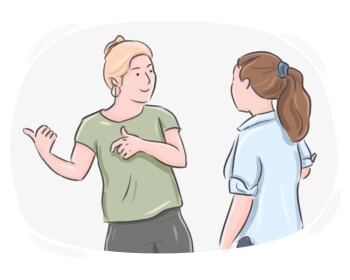
to invite someone on a date, particularly a romantic one
pozvat na rande, požádat o rande
Je příliš plachý na to, aby pozval svého spolužáka na rande.

to adopt or accept a particular cause, ideology, practice, method, or lifestyle as one's own
přijmout, obejmout
Aby zůstala konkurenceschopná, musela společnost přijmout strategie digitálního marketingu a rozšířit svou online přítomnost.
to spend much time in a specific place or with someone particular
potloukat se, trávit čas
Chceš po škole zůstat a něco sníst?
a secret, embarrassing, or shameful fact from the past that someone tries to keep hidden
the manner in which a child is raised, including the care, guidance, and teaching provided by parents or guardians
výchova, vychovávání
Navzdory obtížnému výchově překonala mnoho výzev a uspěla v životě.
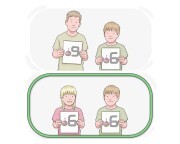
a person of the same age, social status, or capability as another specified individual
vrstevník, rovnocenný
Přestože byla v společnosti nová, rychle se etablovala jako rovný mezi svými kolegy díky tvrdé práci a odborným znalostem.

to end a relationship that one was romantically involved in, often in a way that is unexpected or unfair
opustit, hodit
to experience a loss of interest or liking towards someone or something
ztratit zájem o, přestat mít rádo
Přestal jsem mít zájem o sushi poté, co jsem se otrávil jídlem ze špatné zkušenosti v restauraci.
the people from whom a person is descended
původ, rodokmen
Původ rodiny lze vidět na starých portrétech.
the state of being connected to or originating from a specific place, culture, or background
kořeny, původ
Je hrdý na své kořeny a nese s sebou historii své rodiny.

the act of a man seeking the affections of a woman, typically with the intention of marriage
dvoření, námluvy
Dvoření může zahrnovat dávání dárků, psaní dopisů nebo pozvání někoho na společenskou schůzku.

to regularly spend time with a person that one likes and has a sexual or romantic relationship with
chodit s, randit
Začali chodit na vysoké škole a od té doby jsou pár.

a deep and personal connection between individuals, often emotional or psychological
intimita, emocionální blízkost
Důvěrnost v mentorství může urychlit učení a osobní růst.
a person or thing that is difficult to manage or handle, often due to being energetic, demanding, or troublesome
hrst, problém
Dítě může být někdy hrst, zvláště když je unavené.

to unexpectedly meet someone, particularly someone familiar
narazit na, náhodou potkat
Sourozenci se často potkávají v místním parku.

a friend or companion who regularly spends time with another
soudruh, společník
Členové týmu se po měsících cvičení stali soudruhy.

to care for and support the growth and development of a child until they reach adulthood
vychovávat, pečovat
Rodiče vychovávají své děti s láskou, pozorností a pozitivními vlivy.
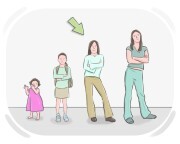
a young person who is in the process of becoming an adult
dospívající, mladý člověk
Dospívající často zažívají silné emoce, když rostou.

the noise people make by clapping, and sometimes shouting, in order to express their enjoyment or approval
potlesk, ovace
Orchestr obdržel potlesk vestoje za jejich výjimečný výkon.

a meal with fine food, typically for many people, celebrating a special event
hostina, banket
Sklizňová hostina zahrnovala pokrmy z místních farem.
a group of people, animals, or vehicles moving ahead in an organized formation
průvod, procesí
Studenti pochodovali v průvodu k promoci.
an event or stage that has a very important impact on the progress of something
milník, významná událost
Nový zákon představuje milník v úsilí o ochranu životního prostředí.
a person who is receiving guidance, instruction, or supervision from an advisor, typically in an academic, professional, or mentorship context
poradenský klient, student poradenský klient
Od poradenců se očekává, že budou dodržovat studijní plán navržený jejich poradcem.
to recognize or commemorate a significant occasion by performing a specific action or ritual
označit, oslavit
Obyvatelé vesnice oslavují začátek sklizňové sezóny živým festivalem, který zahrnuje hudbu, tanec a tradiční rituály.
