pattern

Vocabulario Esencial para el TOEFL - La Economía

Aquí aprenderás algunas palabras en inglés sobre dieta, como "credit", "due", "yield", etc. que se necesitan para el examen TOEFL.

Revisión

Tarjetas de memoria

formas

Ortografía

Cuestionario
Empezar a aprender
Essential Words Needed for TOEFL
to finance
to finance
[Verbo]

to provide funds or an amount of money

financiar

financiar

Ex: Governments may finance infrastructure projects to improve public facilities. 
capital
capital
[Sustantivo]

assets used to generate more assets, especially in business or production

capital

capital

Ex: Lack of capital stalled the project. 
credit
credit
[Sustantivo]

the ability to obtain goods, services, or funds based on trust, allowing payment to be deferred

crédito

crédito

Ex: Banks provide credit to borrowers who meet certain requirements. 
debit
debit
[Sustantivo]

an entry indicating an increase in assets or an expense, and a decrease in debts or income

débito, cargo

débito, cargo

Ex: The bank statement showed a debit for the transaction. 

El extracto bancario mostró un débito por la transacción.

expense
expense
[Sustantivo]

the amount of money spent to do or have something

gasto

gasto

Ex: Rent and utilities are among the most common monthly expenses for homeowners and renters alike. 
due
due
[Adjetivo]

(of a payment, debt, etc.) scheduled or required to be paid immediately or at a specific time

pagadero, adeudado

pagadero, adeudado

Ex: The bill was due yesterday, and now there’s a late fee. 

La factura venció ayer, y ahora hay un cargo por mora.

yield
yield
[Sustantivo]

an amount of profit gained from an investment or business

interés

interés

Ex: The financial advisor recommended diversifying the investment portfolio to maximize yield and minimize risk. 
bank statement
bank statement
[Sustantivo]

a document given by a bank to an account holder, providing a summary of all financial transactions within a specified period

estado de cuenta, extracto de cuenta

estado de cuenta, extracto de cuenta

Ex: Bank statements are essential for tracking spending habits and managing personal finances effectively. 

Los estados de cuenta bancarios son esenciales para rastrear los hábitos de gasto y gestionar las finanzas personales de manera efectiva.

benefit
benefit
[Sustantivo]

the occasions or events like concert or performance that are arranged with the aim of generating funds for those who are in need

beneficio,  concierto benéfico

beneficio, concierto benéfico

Ex: Tickets for the benefit sold out within a few days. 
to climb
to climb
[Verbo]

to increase in terms of amount, value, intensity, etc.

subir

subir

Ex: The athlete's training regimen needed to climb to a higher level to stay at the top of their game. 
to crash
to crash
[Verbo]

(economics) to lose value suddenly and significantly

quebrar

quebrar

Ex: The price of oil crashed after global demand dropped unexpectedly. 
collapse
collapse
[Sustantivo]

a sudden decrease in something's value, such as a price or stock

colapso, derrumbamiento

colapso, derrumbamiento

Ex: They lost millions due to the sudden collapse in the value of their investments. 
debt relief
debt relief
[Sustantivo]

the act of remitting a person or organization's debts

alivio de deuda

alivio de deuda

income
income
[Sustantivo]

the money that is regularly earned from a job or through an investment

ingreso, salario

ingreso, salario

Ex: The government's new tax policy will impact individuals with higher incomes more significantly. 
revenue
revenue
[Sustantivo]

the total income generated from business activities or other sources

ingresos

ingresos

Ex: The new product line significantly boosted their revenue. 
fortune
fortune
[Sustantivo]

a very large sum of money

fortuna

fortuna

Ex: Winning the lottery gave her a fortune she had only dreamed of. 
fee
fee
[Sustantivo]

the money that is paid to a professional or an organization for their services

tasa

tasa

Ex: The gym membership fee is due at the beginning of each month. 
to deposit
to deposit
[Verbo]

to put an amount of money or other item of value into a bank account

depositar, ingresar

depositar, ingresar

Ex: They deposited the cash from the fundraiser in the school's account for future use. 
to withdraw

to take money out of an account, fund, or financial institution

retirar

retirar

Ex: The customer went to the bank to withdraw money for a down payment on a car. 
to freeze
to freeze
[Verbo]

to officially prevent money, property, or financial assets from being used, transferred, or sold

congelar

congelar

Ex: Emma discovered that her account had been frozen after unusual activity was detected. 
to overdraw

to withdraw more money from a bank account than is available

sobregirar

sobregirar

Ex: She overdrew her balance while shopping and didn’t realize it until later. 

Ella sobregiró su saldo mientras compraba y no se dio cuenta hasta más tarde.

donation
donation
[Sustantivo]

money, goods, or other things voluntarily given to help a person, organization, or cause

donación

donación

Ex: David's $500 donation helped pay for new school supplies. 
budget
budget
[Sustantivo]

a specific amount of money set aside for a particular use

presupuesto

presupuesto

Ex: The travel budget covered flights and lodging. 
asset
asset
[Sustantivo]

a valuable resource or quality owned by an individual, organization, or entity, typically with economic value and the potential to provide future benefits

valor

valor

Ex: Stocks and bonds are financial assets that can generate income and capital gains for investors. 
broke
broke
[Adjetivo]

having little or no financial resources

sin un duro, casi sin dinero

sin un duro, casi sin dinero

Ex: They were broke after the vacation. 

Estaban sin dinero después de las vacaciones.

bankruptcy
bankruptcy
[Sustantivo]

a situation in which a person or business is unable to pay due debts

bancarrota

bancarrota

Ex: Bankruptcy can provide a fresh start for individuals in severe debt. 
fair trade
fair trade
[Sustantivo]

trading practices that do not put consumers at a disadvantage

comercio justo

comercio justo

to transfer

to move someone or something from one place, position, or system to another

trasladarse

trasladarse

Ex: He transferred $500 from his checking to his savings account. 
trading
trading
[Sustantivo]

the buying and selling of securities or commodities

comercio

comercio

Ex: The trading volume reached a record high this month. 
economy
economy
[Sustantivo]

the system in which money, goods, and services are produced or distributed within a country or region

economía

economía

Ex: A diversified economy is less susceptible to economic downturns in specific industries. 
supply and demand

the relationship between the availability of a commodity and the desire for it, which determines market prices

oferta y demanda

oferta y demanda

Ex: The pandemic disrupted global supply and demand for semiconductors. 
stock market
stock market
[Sustantivo]

the business of trading and exchanging shares of different companies

bolsa de valores

bolsa de valores

Ex: News of the company's breakthrough product led to a surge in its stock market value. 

La noticia del producto innovador de la empresa provocó un aumento en el valor de su mercado de valores.

share
share
[Sustantivo]

any of the equal portions of a company's stock that is available for public to buy and gain benefit

acción

acción

Ex: The value of his shares doubled after the positive earnings report. 
recession
recession
[Sustantivo]

a hard time in a country's economy characterized by a reduction in employment, production, and trade

recesión
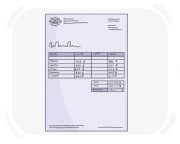
recesión

Ex: Families had to tighten their budgets and cut back on spending due to the recession. 
invoice
invoice
[Sustantivo]

a list of goods or services received and their total cost

factura

factura

Ex: The invoice included a breakdown of the services provided and their respective costs. 

La factura incluía un desglose de los servicios prestados y sus costos respectivos.

fundraising
fundraising
[Sustantivo]

the process or provision of financial aid for something such as a charity or cause, usually through holding special events

recaudación de fondos

recaudación de fondos

Ex: Volunteers were essential to the success of the community center's annual fundraising drive. 

Los voluntarios fueron esenciales para el éxito de la campaña anual de recaudación de fondos del centro comunitario.
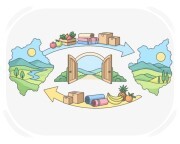
free trade
free trade
[Sustantivo]

a system of international trading in which there are no restrictions or taxes on goods bought or sold

libre comercio

libre comercio

Ex: Critics of free trade worry that it could lead to job losses in certain industries that struggle to compete with cheaper imports. 
free market
free market
[Sustantivo]

an economic system that is not operated by the government rather by free competition and supply and demand

mercado libre

mercado libre

Ex: Entrepreneurs thrive in a free market environment where innovation and efficiency are rewarded. 

Los emprendedores prosperan en un entorno de mercado libre donde se premia la innovación y la eficiencia.

decline
decline
[Sustantivo]

a change toward a smaller, lower, or reduced state

reducción, disminución

reducción, disminución

Ex: The town experienced a decline in population over several years. 
commodity
commodity
[Sustantivo]

a product or raw material that can be bought and sold, especially in large quantities on financial markets

materia prima

materia prima

Ex: Copper prices rose sharply on international commodity markets. 
LanGeek
Descargar la aplicación LanGeek