Literatura - Narratologia
Aqui você aprenderá algumas palavras em inglês relacionadas à narratologia como "clímax", "cliffhanger" e "sequência".
Revisar
Flashcards
Ortografia
Quiz

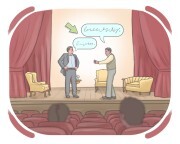
a literary device in which an attempt at serious or elevated writing or speech is undermined by an incongruous or absurd use of language or imagery

bathos, efeito anticlimático

the most significant moment in a story, play, movie, etc. with a high dramatic suspense
clímax, ápice
a literary principle that states that every element introduced in a story must be necessary and relevant to the plot or it should be removed
a arma de Tchekhov, o princípio de Tchekhov
a literary technique that uses humor to interrupt serious or tragic scenes in order to provide a temporary release from emotional tension
alívio cômico, descontração cômica
a plot device or literary technique used to resolve a difficult situation in an unexpected or artificial way
artifício, recurso
Algumas artimanhas do enredo podem fazer uma história parecer previsível.
the last section of a literary or dramatic piece where the plot is concluded and all the matters of the work is explained
desfecho, resolução
Depois de um clímax emocionante, o desfecho do romance proporcionou uma resolução satisfatória para todos os conflitos.
a literary device where a sudden and unexpected event or character is introduced to resolve a problem in a story
deus ex machina, intervenção divina
the act of adding extra details or exaggerating certain aspects of a story or description to make it more interesting or appealing
embelezamento, enfeite
the final part of a story, movie, etc.
fim, desfecho
a person, place, or thing after whom or which something is named
epônimo, homônimo
a plot or character element that is introduced but never fully explained or resolved, leaving the audience with unanswered questions or loose ends
elemento não resolvido, enredo pendente
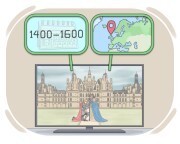
the time and place in which the story of a movie, play, etc. is taking place
cenário, ambiente
an ending to an episode of a series that keeps the audience in suspense
suspense, final cliffhanger
À medida que a tensão atingia o seu pico, o protagonista encontrou-se numa situação perigosa, preparando o palco para um cliffhanger de suspense que manteria os leitores a adivinhar até à próxima edição.
the central idea or foundation of a story, encompassing its main concept, conflict, characters, setting, and overall tone or genre
premissa, conceito central
a recurring element that is the main idea or subject in a literary or artistic piece
tema, motivo
the freedom to deviate from facts, rules or conventional forms practiced by an artist or author in order to gain a desired effect
licença poética, liberdade poética
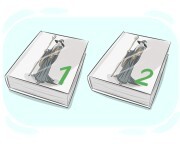
a book, movie, play, etc. that continues and extends the story of an earlier one
sequela
A sequela superou as expectativas, introduzindo novos reviravoltas e revelações que mantiveram o público à beira de seus assentos.
unwanted information about how the plot of a movie, game, book, etc. develops or ends that can ruin one's enjoyment
spoiler, revelação do enredo
Algumas pessoas não conseguem resistir a compartilhar spoilers, mesmo que outros ainda não tenham visto o filme.
the main theme or continuous narrative line in a story or series
arco narrativo, linha narrativa
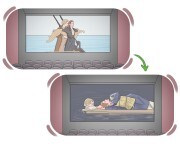
the plot of a movie, play, novel, etc.
enredo, trama
O enredo do romance segue a jornada de uma jovem que encontra sua família.
the continuous flow of thoughts, feelings, and sensations of a character in a seemingly unstructured and spontaneous manner
fluxo de consciência, corrente de consciência
a series of events in a novel, movie, etc. that is separate from the main story and is less important but is linked to it
subenredo, história secundária
a genre of literature, film, or entertainment that features action-packed adventures of daring swordplay, romance, and excitement, often set in historical or fantastical settings
capa e espada, aventuras de capa e espada
a brief summary or overview of the plot, characters, and major events of a book, movie, or other narrative work
sinopse, resumo
a common or recurring theme, motif, or device that is used in literature, art, or other forms of creative expression
tropo, figura de linguagem
a brief, impressionistic scene or sketch in literature or film that focuses on a particular moment or character
vinheta
a condition experienced by writers in which they are unable to produce new written material, despite having the desire or obligation to do so
bloqueio do escritor, bloqueio criativo
any material in a narrative that serves to pad or extend the length of the story without advancing the plot or developing the characters
enchimento, material de preenchimento
a scene in a story line that interrupts the chronological order and takes the narrative back in time
flashback, cena retrospectiva
a literary technique in which an introductory narrative serves as a frame for another story or a series of shorter stories
história moldura, narrativa moldura
A história moldura fornece uma estrutura meta-narrativa que convida os leitores a refletir sobre a natureza da narrativa em si, borrando as linhas entre ficção e realidade.
a literary device that reveals a character's inner thoughts and feelings directly to the reader
monólogo interior, solilóquio interior
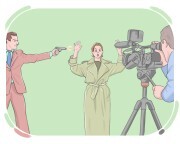
to cause the death of a character in a work of fiction, typically for dramatic effects or to advance the plot
matar um personagem fictício, matar um personagem para avançar a trama
O diretor decidiu matar o personagem porque achou que isso tornaria a história mais impactante.
a type of storytelling in which events are presented in a sequential and chronological order, following a cause-and-effect pattern and progressing toward a resolution or endpoint
narrativa linear, relato linear
a type of storytelling that does not follow a chronological sequence, instead jumping back and forth in time or presenting events out of order
narrativa não linear, história não cronológica
a type of storytelling that allows the audience or user to actively participate in the story, making decisions that affect the direction or outcome of the narrative
narrativa interativa, história interativa
a tedious or boring section of a work of literature or other artistic work, characterized by a lack of action, tension, or interest
parte longa e entediante
a relationship dynamic commonly found in stories, where three characters are romantically involved with each other in a way that creates tension, conflict, and difficult choices
triângulo amoroso, menage à trois
a storytelling device often used in film and literature, referring to an object, goal, or other motivator that drives the plot and characters' actions, but is often irrelevant or unimportant to the overall story itself
um MacGuffin, um objeto de busca
to create or embellish a story or a person's life with mythological or heroic elements
mitificar, mitologizar

to provide a spoken or written description of an event, story, etc.
narrar, relatar
O professor pediu a cada aluno que narrasse uma história pessoal durante a sessão de contação de histórias.

the way of telling or explaining a story, particularly in a movie, novel, etc.
narração, relato
a story or account describing a series of events
narrativa, relato
a plotline or a story element that runs throughout a larger narrative, connecting different events and characters together, often with a unifying theme or motif
fio narrativo, linha narrativa
the speed at which a narrative unfolds and how it affects audience engagement
ritmo, cadência
to attribute human characteristics, traits, or qualities to a non-human object, concept, or animal
personificar, encarnar
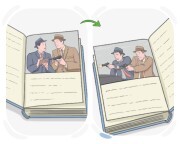
the events that are crucial to the formation and continuity of a story in a movie, play, novel, etc.
enredo, trama
a situation where the plot of a story deviates from its original trajectory
deriva do enredo, desvio do enredo
an apparent mistake or inconsistency in the narrative of a book, motion picture, etc.
buraco no enredo, inconsistência narrativa
a sudden and unexpected development in the storyline of a narrative, often at a crucial moment
reviravolta, virada inesperada no enredo
a narrative element, often used in literature or film, that is employed by the author or screenwriter to advance the story or create a particular effect
recurso narrativo, artifício de enredo
an instance of using precise phrasing in a contract, rule, or law to bypass its spirit or purpose
tecnicismo, sofisma
A objeção central do filme pergunta se "o primogênito" significa o primeiro filho ou o primeiro filho do sexo masculino.
anything that is intended to take people's focus away from what is important
manobra de distração, cortina de fumo
Trazer à tona os erros antigos dele durante o debate do orçamento foi uma manobra de distração.
a term coined by J.R.R. Tolkien to describe a sudden and unexpected turn of events in a story that results in a positive and joyful outcome
eucatástrofe, virada feliz inesperada
an instance of showing a scene or event that will happen later in a movie, TV episode, etc. interrupting the chronological order of the plot
flashforward, salto para frente
a literary technique in which a narrative begins in the middle of the story, rather than at the beginning
no meio da ação, in medias res
a literary device used at the beginning of a story to capture the reader's attention and engage their interest
gancho narrativo, isca narrativa
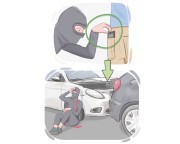
a situation in which one believes that an unfortunate event that has happened to someone is well deserved
o feitiço virou contra o feiticeiro, colheu o que plantou
Quando a fofoqueira virou alvo de boatos, todos disseram: o feitiço virou contra o feiticeiro.
a hypothetical situation which presents a moral dilemma where a person or authority must decide whether to use extreme measures to prevent a catastrophic event from occurring
cenário da bomba-relógio, situação de dilema moral da bomba-relógio
a literary technique used to make the familiar seem unfamiliar or strange in order to encourage the reader to see the world in a new way
desfamiliarização, estranhamento
a narrative technique in which a story is told from multiple perspectives or points of view
multiperspectividade, técnica narrativa multiperspectiva