pattern

Essential Vocabulary for TOEFL - Employment

Here you will learn some English words about employment, such as "labor", "apprentice", "position", etc. that are needed for the TOEFL exam.

Review

Flashcards

Forms

Spelling

Quiz

Start learning
Essential Words Needed for TOEFL
occupation

a person's profession or job, typically the means by which they earn a living

Ex: Teaching is a rewarding occupation that allows educators to make a positive impact on young minds. 
Close
Sign in
vacancy
vacancy
[noun]

a position or job that is available

Ex: The company announced a vacancy for a senior marketing manager. 
Close
Sign in
position
position
[noun]

a job, role, or function within an organization

Ex: She accepted a managerial position at the firm. 
Close
Sign in
internship

a period of supervised work experience, often unpaid, undertaken by a student or recent graduate to gain practical skills or fulfill qualification requirements
Ex: She completed a three-month internship at a local law firm to meet her graduation requirements. 
Close
Sign in
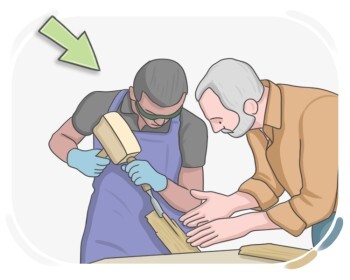
apprentice

someone who works for a skilled person for a specific period of time to learn their skills, usually earning a low income

Ex: Apprentices often do tasks under close supervision. 
Close
Sign in
job description

a list of tasks and responsibilities that a job includes

Close
Sign in
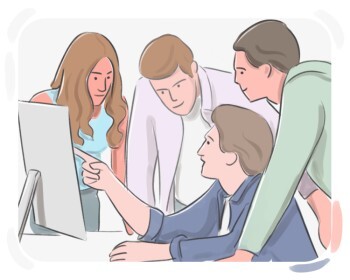
collaboration

the act or process of working with someone to produce or achieve something

Close
Sign in
workforce
workforce
[noun]

all the individuals who work in a particular company, industry, country, etc.

Ex: The company plans to expand its workforce by hiring an additional 200 employees this year. 
Close
Sign in
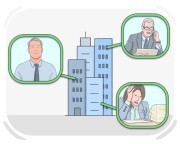
human resources

the workforce of an organization, viewed in terms of their talents, experience, and potential contributions

Ex: The company invested heavily in developing its human resources through training programs. 
Close
Sign in
personnel
personnel
[noun]

individuals employed in an organization, especially in military or structured environments, who are expected to follow directives

Ex: The commander addressed all military personnel before the operation began. 
Close
Sign in
colleague
colleague
[noun]

someone with whom one works

Ex: My colleague and I collaborated on a project that received high praise from our manager for its innovative approach. 
Close
Sign in
labor
labor
[noun]

work, particularly difficult physical work

Ex: The construction workers performed hours of hard labor under the scorching sun. 
Close
Sign in
laborer
laborer
[noun]

someone whose job includes heavy physical work that does not require much skill

Ex: The laborer worked tirelessly to unload heavy crates from the truck. 
Close
Sign in
commission

a sum of money paid to someone based on the value or quantity of goods they sell

Ex: The salesperson earns a 10% commission on every sale. 
Close
Sign in
contract
contract
[noun]

an official agreement between two or more sides that states what each of them has to do

Ex: They signed a contract to buy the house, outlining the terms of the sale. 
Close
Sign in
pension
pension
[noun]

a regular payment made to a retired person by the government or a former employer

Ex: My grandfather's pension allows him to travel during his retirement. 
Close
Sign in
salary
salary
[noun]

an amount of money we receive for doing our job, usually monthly

Ex: Employees receive their salary at the end of the month. 
Close
Sign in
minimum wage

the lowest level of salary, set by the law

Ex: The government increased the minimum wage to help low-income workers. 
Close
Sign in
low-paid
low-paid
[Adjective]

earning or giving only a small amount of money

Ex: Many low-paid workers struggle to pay rent. 
Close
Sign in
to exploit

to take advantage of someone by making them work a lot and paying them less than is deserved

Ex: Employers may exploit their workers by paying low wages and providing unsafe working conditions. 
Close
Sign in
pay gap
pay gap
[noun]

the difference between the payment received by two different groups of people

Close
Sign in
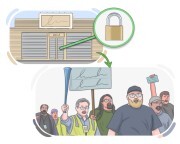
to strike
to strike
[Verb]

to stop working as a sign of protest against some work issues, such as low wages, poor working conditions, etc.

Ex: The workers decided to strike for better pay and benefits. 
Close
Sign in
underemployed
underemployed
[Adjective]

(of a person) not having much work to do in their job or being unable to use their full potential

Ex: Despite her qualifications, she felt underemployed in her current job, which didn't utilize her full skill set. 
Close
Sign in
monotonous
monotonous
[Adjective]

boring because of being the same thing all the time

Ex: The endless hours of data entry made her workday feel monotonous and never-ending. 
Close
Sign in
challenging
challenging
[Adjective]

difficult to accomplish, requiring skill or effort

Ex: Solving the puzzle proved to be challenging, requiring creative thinking and problem-solving skills. 
Close
Sign in
demanding
demanding
[Adjective]

(of a task) needing great effort, skill, etc.
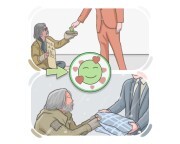
Ex: His job as a project manager is demanding, requiring him to juggle multiple tasks and deadlines. 
Close
Sign in
rewarding
rewarding
[Adjective]

(of an activity) making one feel satisfied by giving one a desirable outcome

Ex: Teaching can be a rewarding profession, as educators witness the growth of their students. 
Close
Sign in
tedious
tedious
[Adjective]

boring and repetitive, often causing frustration or weariness due to a lack of variety or interest

Ex: The tedious task of filing paperwork made the afternoon drag on. 
Close
Sign in
bonus
bonus
[noun]

the extra money that we get, besides our salary, as a reward

Ex: Our bonus is calculated based on our performance ratings. 
Close
Sign in
to multitask

to simultaneously do more than one thing

Ex: In her busy job, she has to multitask efficiently to handle emails, phone calls, and meetings throughout the day. 
Close
Sign in
recruitment

the process or action of finding new individuals to become a member of the armed forces, a company, or an organization

Close
Sign in
leave
leave
[noun]

a period of authorized absence from work, duty, or service

Ex: She is on maternity leave until next month. 
Close
Sign in
placement
placement
[noun]

the action of finding someone a job, home, or school

Close
Sign in
to resign
to resign
[Verb]

to officially announce one's departure from a job, position, etc.

Ex: She decided to resign from her position as CEO. 
Close
Sign in
workload
workload
[noun]

the amount of work that a person or organization has to do

Ex: She was overwhelmed by her heavy workload and had to work late every night. 
Close
Sign in
overtime
overtime
[noun]

the extra hours a person works at their job
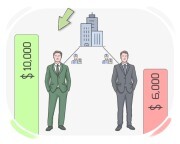
Ex: Due to the deadline, the team put in several hours of overtime. 
Close
Sign in
well-paid
well-paid
[Adjective]

(of a job or occupation) providing a high salary or income in comparison to others in the same industry or field

Ex: She chose a career in finance because she knew it was well-paid and offered excellent opportunities for advancement. 
Close
Sign in
supervisor

someone who observes or directs a person or an activity

Ex: The supervisor oversees the daily operations of the department. 
Close
Sign in
LanGeek
Download LanGeek app