pattern

Cambridge IELTS 17 - Academic - Test 2 - Reading - Passage 3 (1)

Here you can find the vocabulary from Test 2 - Reading - Passage 3 (1) in the Cambridge IELTS 17 - Academic coursebook, to help you prepare for your IELTS exam.

Review

Flashcards

Forms

Spelling

Quiz

Start learning
Cambridge IELTS 17 - Academic
insight
insight
[noun]

the intuitive understanding or perception of the inner nature or truth of something
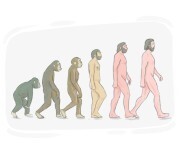
Ex: Her insight into human behavior allowed her to anticipate the reactions of others with remarkable accuracy. 
Close
Sign in
evolution
evolution
[noun]

(biology) the slow and gradual development of living things throughout the history of the earth

Ex: Evolution is the process by which species change over time in response to environmental pressures. 
Close
Sign in
innovative
innovative
[Adjective]

(of a person) producing creative and original ideas, equipment, methods, etc.

Ex: She is an innovative designer who sets trends. 
Close
Sign in
popularly
popularly
[Adverb]

in a way that is widely favored or recognized by a large number of people

Ex: The song was popularly known for its catchy melody and lyrics. 
Close
Sign in
sheer
sheer
[Adjective]

emphasizing the intensity or pureness of a particular quality or emotion

Ex: The sheer determination in his eyes showed that he would not give up. 
Close
Sign in
intellectual
intellectual
[Adjective]

developed or primarily guided by the intellect rather than relying on emotions or personal experience

Ex: His intellectual approach to problem-solving involved thorough research and analysis. 
Close
Sign in
star
star
[noun]

someone who is dazzlingly skilled in any field

Close
Sign in
naturalist

a scientist who studies the natural world, including plants, animals, and ecosystems

Ex: The naturalist conducted field research to study the behavior of endangered species in their habitat. 
Close
Sign in
theoretical
theoretical
[Adjective]

concerned with understanding and explaining phenomena rather than directly applying them to real-world situations

Ex: A theoretical physicist spends years formulating new theories without immediate applications. 
Close
Sign in
physicist
physicist
[noun]

an individual who is trained in physics

Close
Sign in
contribution

someone or something's role in achieving a specific result, particularly a positive one

Ex: Employees are rewarded based on their individual contributions to the company's success. 
Close
Sign in
to disregard

to intentionally ignore or act without concern for something or someone that deserves consideration

Ex: The boss disregarded safety protocols and put workers at risk. 
Close
Sign in
predecessor

someone who held a position, office, or role before another person

Ex: The new CEO praised her predecessor for laying a strong foundation. 
Close
Sign in
wisdom
wisdom
[noun]

the quality of being knowledgeable, experienced, and able to make good decisions and judgments

Ex: The wisdom of the elderly woman was evident in the way she calmly solved problems that others found overwhelming. 
Close
Sign in
breakthrough

an important discovery or development that helps improve a situation or answer a problem
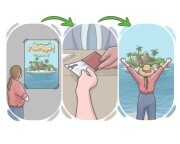
Ex: The scientist's groundbreaking research led to a major breakthrough in cancer treatment. 
Close
Sign in
spontaneously

in an unplanned or impulsive manner

Ex: They decided to go on a trip spontaneously after seeing a travel deal. 
Close
Sign in
to pop into

to briefly visit a place, often without prior planning or notice

Ex: We decided to pop into the café for a quick coffee. 
Close
Sign in
functional
functional
[Adjective]

made for practical use, not for looks

Ex: The jacket is functional, with plenty of pockets for storage. 
Close
Sign in
to misrepresent

to portray imperfectly or incorrectly without deceitful intent

Ex: In retelling the story, Steve misrepresented a few minor details but meant no harm. 
Close
Sign in
realm
realm
[noun]

an area of knowledge, interest, or activity that you study, work in, or talk about

Ex: Her expertise lies in the realm of astrophysics. 
Close
Sign in
endeavor
endeavor
[noun]

a planned effort or project that often involves courage, skill, or determination

Ex: The space mission was a remarkable scientific endeavor. 
Close
Sign in
to set aside

to ignore something temporarily in favor of more important matters
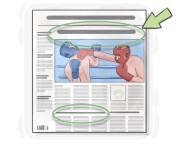
Ex: We had to set aside our biases to make a fair decision. 
Close
Sign in
monumental
monumental
[Adjective]

having exceptional importance or significant impact

Ex: The completion of the project was a monumental achievement for the team, marking years of dedication and hard work. 
Close
Sign in
duly
duly
[Adverb]

in a proper or expected manner

Ex: She duly acknowledged the award with gratitude. 
Close
Sign in
trial and error

the process of testing a method, an idea, etc. in several ways to achieve the desired outcome

Ex: He learned to fix the machine through trial and error. 
Close
Sign in
evolutionary
evolutionary
[Adjective]

related to evolution or the slow and gradual development of something
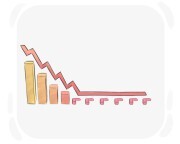
Ex: The evolutionary process has led to the diverse array of life forms we see today. 
Close
Sign in
to undermine

to gradually decrease the effectiveness, confidence, or power of something or someone

Ex: Skipping maintenance checks might undermine the long-term reliability of the equipment. 
Close
Sign in
notion
notion
[noun]

a general concept or belief

Ex: She had a notion that he was hiding something from her. 
Close
Sign in
cumulative
cumulative
[Adjective]

increasing gradually as more and more is added

Ex: The cumulative effect of daily exercise is improved physical fitness. 
Close
Sign in
unheralded
unheralded
[Adjective]

without warning or announcement

Close
Sign in
to postulate

to suggest or assume the existence or truth of something as a basis for reasoning, discussion, or belief

Ex: Philosophers often postulate hypothetical scenarios to explore the limits of moral reasoning. 
Close
Sign in
to recover

to find or get back something that was lost or stolen

Ex: The police were able to recover the stolen artwork after a lengthy investigation. 
Close
Sign in
periodic table

a tabular arrangement of chemical elements organized based on their atomic number, electron configuration, and recurring chemical properties

Ex: The periodic table, devised by Dmitri Mendeleev, categorizes elements into rows and columns based on their properties. 
Close
Sign in
noteworthy
noteworthy
[Adjective]

deserving of attention due to importance, excellence, or notable qualities

Ex: Her performance in the play was noteworthy, earning praise from critics and audiences alike. 
Close
Sign in
amid
amid
[preposition]

during a particular situation or condition

Ex: The negotiations continued amid ongoing tensions between the two nations. 
Close
Sign in
fanciful
fanciful
[Adjective]

coming from the imagination rather than facts
Ex: The fanciful tales of dragons and wizards delighted the children gathered around the storyteller. 
Close
Sign in
wild
wild
[Adjective]

lacking a basis in reason or fact and not supported by evidence or logic

Close
Sign in
speculation

the creation of theories or opinions about something with no fact or proof

Ex: The stock market is often influenced by speculation about future trends. 
Close
Sign in
to propose

to put forward a suggestion, plan, or idea for consideration

Ex: He proposed a new strategy for increasing productivity during the team meeting, outlining specific steps for implementation. 
Close
Sign in
novel
novel
[Adjective]

new and unlike anything else

Ex: Her novel approach to problem-solving impressed the entire team with its creativity and effectiveness. 
Close
Sign in
father
father
[noun]

a person who holds a significant or distinguished position within an organization

Ex: He is a father of the scientific community. 
Close
Sign in
to jump off

to start something with a rapid and successful beginning

Ex: She was determined to make her singing career jump off with a memorable performance. 
Close
Sign in
to conceive

to produce a plan, idea, etc. in one's mind
Ex: The architect conceived a visionary design for the futuristic building. 
Close
Sign in
to conclude

to come to a personal determination or belief after considering information or experiences

Ex: After much thought, she concluded that it was time to move on from her job. 
Close
Sign in
collective
collective
[Adjective]

involving, done, or shared by all members of a group

Ex: The collective efforts of the volunteers resulted in a successful charity event. 
Close
Sign in
biological
biological
[Adjective]

relating to the science that explores living organisms and their functions

Ex: Biological research investigates the genetic makeup of different species. 
Close
Sign in
organism
organism
[noun]

a living thing such as a plant, animal, etc., especially a very small one that lives on its own

Ex: The pond ecosystem is home to a variety of organisms, including fish, algae, and bacteria. 
Close
Sign in
characteristic

a notable feature or quality that defines or describes something
Ex: Her kindness is a characteristic everyone notices. 
Close
Sign in
genetic mutation

(genetics) any event that changes genetic structure; any alteration in the inherited nucleic acid sequence of the genotype of an organism

Close
Sign in
arbitrary
arbitrary
[Adjective]

not based on reason but on chance or personal impulse, which is often unfair

Ex: The decision to increase prices seemed arbitrary, as there was no clear reason given. 
Close
Sign in
to [pave] the way (for|to) {sth}

to create a situation in which it is easier for one to do something or for something to happen
Ex: Her years of hard work and dedication paved the way for her promotion to the role of department manager. 
Close
Sign in
beneficial
beneficial
[Adjective]

having a positive effect or helpful result

Ex: Taking breaks during work is beneficial for productivity. 
Close
Sign in
to thrive
to thrive
[Verb]

to grow and develop exceptionally well

Ex: Despite the challenges, the small business managed to thrive in a competitive market. 
Close
Sign in
to reproduce

to create a copy of something

Ex: The artist reproduced the famous painting using oil paints. 
Close
Sign in
domain
domain
[noun]

the scope or range of knowledge, interest, or expertise in a particular field

Ex: Quantum mechanics lies outside my domain of study. 
Close
Sign in
stirrup
stirrup
[noun]

support consisting of metal loops into which rider's feet go

Close
Sign in
to confer
to confer
[Verb]

to give an official degree, title, right, etc. to someone
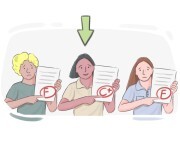
Ex: The university will confer degrees upon the graduating students during the commencement ceremony. 
Close
Sign in
relatively
relatively
[Adverb]

to a specific degree, particularly when compared to other similar things

Ex: The test was relatively easy compared to the last one. 
Close
Sign in
jockey
jockey
[noun]

a person who rides horses in races

Ex: The jockey guided the horse to a thrilling victory in the final race. 
Close
Sign in
to conduct

to direct or participate in the management, organization, or execution of something

Ex: The experienced project manager will conduct the team in implementing the new software. 
Close
Sign in
methodical
methodical
[Adjective]

done in a careful, systematic, and organized manner

Ex: The scientist conducted her research in a methodical way, recording data systematically and following a precise methodology. 
Close
Sign in
extensive
extensive
[Adjective]

significantly great in quantity

Ex: She has an extensive collection of rare books from around the world. 
Close
Sign in
shrewd
shrewd
[Adjective]

having or showing good judgement, especially in business or politics

Ex: The shrewd businessman knew when to invest and when to hold back, ensuring steady growth for his company. 
Close
Sign in
to outrun
to outrun
[Verb]

to move at a greater speed than someone or something
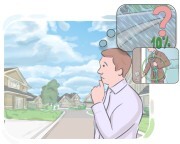
Ex: Despite his initial lead, the sprinter couldn't outrun the fastest competitor in the final lap. 
Close
Sign in
to foresee

to know or predict something before it happens

Ex: Despite all their planning, they didn't foresee the power outage during the event. 
Close
Sign in
modification

the act of making small changes in something, usually for an enhancement
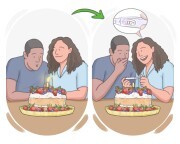
Ex: The modification of the car’s engine increased its performance. 
Close
Sign in
to coincide

to occur at the same time as something else

Ex: Her birthday coincides with the start of the school year. 
Close
Sign in
enhanced
enhanced
[Adjective]

improved in value, quality, or performance
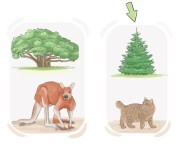
Ex: The enhanced security features of the new software ensured better protection against cyber threats. 
Close
Sign in
widespread
widespread
[Adjective]

existing or spreading among many people, groups, or communities through communication, influence, or awareness

Ex: The misinformation about the new policy became widespread on social media. 
Close
Sign in
adoption
adoption
[noun]

the action of starting to use a certain plan, name, method, or idea

Ex: The company's rapid adoption of new technology gave it a competitive edge in the market. 
Close
Sign in
to glean
to glean
[Verb]

to carefully collect small amounts of information, facts, or knowledge over time from different sources

Ex: She gleaned useful tips from the interview. 
Close
Sign in
thoroughbred racing

the sport of racing thoroughbred horses

Close
Sign in
LanGeek
Download LanGeek app