
Jistota a Možnost - Štěstí a Náhoda
Ponořte se do anglických idiomů týkajících se štěstí a náhody, jako "chytit přestávku" a "klepat na dřevo".
Revize
Kartičky
Kvíz

used to describe a person who is considered lucky

šťastlivec jeden, klikař
Sestra našla skvělý byt pod svůj rozpočet, šťastlivec jeden.

used to emphasize how lucky a person is or how successful they are
štěstí mu přeje, má kliku
Štěstí nám přeje; déšť ustal těsně před začátkem svatby.
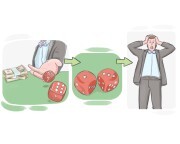
used to say that it is typical of a person to experience an unfortunate event
to je celý můj život, typicky moje smůla
Konečně se jí někdo líbil, a on se zrovna stěhoval do zahraničí. To je celý její život.
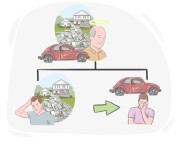
used to say that one is used to something bad happening to one, due to having bad luck
to je moje štěstí, typicky moje smůla
To je moje štěstí, bundu jsem koupil včera a dnes je ve slevě.

said after a positive statement to hypothetically assure the continuation of good luck
ťuk ťuk na dřevo, ať to nezakřiknu
Tenhle týden jsme neměli žádné zpoždění, ťuk ťuk na dřevo.

something that solely depends on chance
otázka štěstí, náhoda
V tom bytovém domě je jen otázka štěstí, jestli chytíš hlučné sousedy.

success that happens because someone is new, not because of skill
štěstí začátečníka, nováčkovské štěstí
a fortunate event that helps in a difficult situation
šťastná náhoda, šťastný obrat
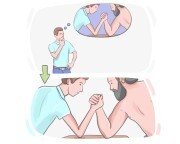
to try to do or achieve something knowing that one might not succeed
zkusit štěstí, risknout to
Risknul to a článek odevzdal, i když si nebyl jistý, že je hotový.
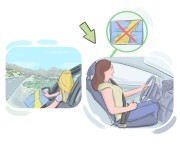
to do something by solely relying on one's instincts, due to a lack of proper knowledge or experience
jet podle instinktu, improvizovat
Firmu nemůžeš řídit donekonečna jen podle instinktu.
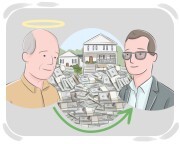
to experience some luck
mít konečně štěstí, usmát se na něj štěstí
Stačí mi mít jednou štěstí a můžu tenhle byznys rozjet.

to have great success with something, particularly something that brings one a lot of money
narazit na zlatý důl, trefit jackpot
Trefili jackpot, když z malého rodinného receptu udělali celostátní značku.
extraordinary good fortune, especially when someone repeatedly escapes danger, avoids misfortune, or succeeds against seemingly impossible odds
as a result of good fortune rather than careful planning, sound decisions, or skill
as a result of chance or unintended circumstances rather than deliberate planning or intention
the good or bad fortune that affects the outcome of a situation, especially a sporting competition, independently of anyone's skill or effort
to continue taking risks or relying on good fortune, especially when repeated success may not last and failure seems increasingly likely
to be exceptionally fortunate in life, as though one has been naturally blessed with good luck from birth
to experience unusually good fortune throughout life, especially by repeatedly avoiding danger, failure, or serious difficulties
to be experiencing a period of misfortune or hardship, especially involving financial difficulties, unemployment, or other personal setbacks
used to express disappointment, regret, or annoyance about an unfortunate situation or an unwelcome fact
used to wish someone good luck, often with a humorous or ironic suggestion that their chances of success are very small
exceptional good fortune or an unusually strong tendency to succeed, traditionally associated with Irish people and often used humorously to describe unexpected luck
| Jistota a Možnost | |||
|---|---|---|---|
| Jistota | Nejistota | Nepravděpodobné Situace | Nemožnost |
| Štěstí a Náhoda | Možnost | Pravděpodobnost | Očekávání |
| Nečekaný | Neuvěřitelné | Určitý nebo Nevyhnutelný | |
