
Seznam Slovíček Úrovně B2 - Městské Struktury
Zde se naučíte některá anglická slova o městských strukturách, jako jsou "opuštěný", "klasický", "vnější" atd., připravená pro studenty úrovně B2.
Revize
Kartičky
Pravopis
Kvíz

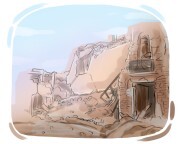
(of a building, car, etc.) left and not needed or used anymore

opuštěný, opuštěn
Město se stalo opuštěným poté, co továrna zavřela.

related to the language, literature, art, or culture of ancient Rome and Greece
klasický
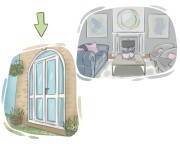
located on the outer surface of something
vnější, externí
Vnější stěny budovy byly izolovány, aby se zlepšila energetická účinnost.
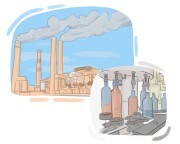
related to the manufacturing or production of goods on a large scale
průmyslový, industriální
Průmyslový design se zaměřuje na vytváření produktů, které jsou funkční a esteticky příjemné.
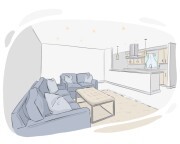
(of buildings or rooms) having few or no internal walls, creating a large, open space
otevřeného prostoru, bez vnitřních stěn
Open-plan design restaurace umožňuje strávníkům vidět do kuchyně, zatímco jedí.
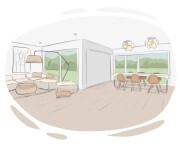
(of a room, house, etc.) large with a lot of space inside
prostorný, rozlehlý
Konferenční místnost byla prostorná, schopná pořádat schůzky s velkými skupinami lidí.
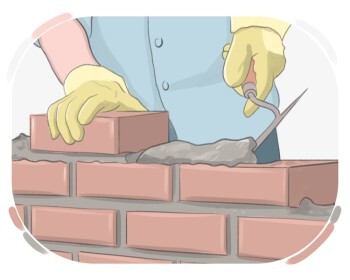
to build a house, bridge, machine, etc.
stavět, budovat
Pro zlepšení dopravy se město rozhodlo postavit nový systém metra.

a block of baked clay, mostly used to build houses, walls, etc.
cihla, kámen
Zdi domu byly postaveny z červených cihel, což mu dodalo klasický vzhled.
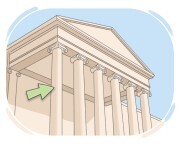
a vertical structural element, often made of stone, that supports the weight of the building above it
sloup, pilíř
Vstup do muzea byl rámován vysokými sloupy, což přispělo k jeho velkoleposti.

a hard material used for building structures, made by mixing cement, water, sand, and small stones
beton
Stavební projekt zahrnoval velké množství betonu pro různé konstrukce.

a piece of land that new buildings are being built or are planned to be built, often with the purpose of urban expansion or improvement
rozvoj, zástavba
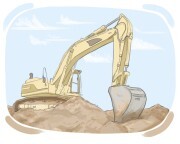
a machine used for digging earth
bagr, rýpadlo
Bagr efektivně odstranil špínu, aby uvolnil místo pro základy.
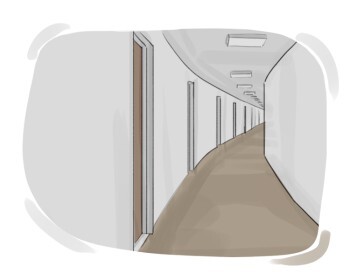
a narrow corridor providing access to rooms within a building or between buildings
chodba, průchod
Průchod se otevíral do klidného dvora.
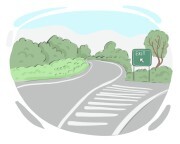
a part of a road through which vehicles can move on to another
výjezd, východ
Vzala výjezd do centra města, aby dosáhla svého cíle.
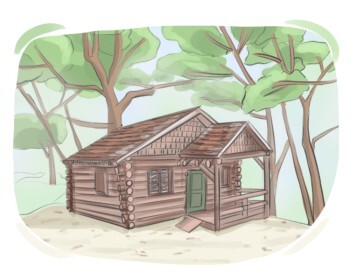
a small simple house or shelter that usually has only one room
chata, bouda
Během túry v horách našli opuštěnou chatu.

to destroy a building, area, etc. completely
srovnat se zemí, zbořit

to build something once again, after it has been destroyed or severely damaged
přestavět, obnovit
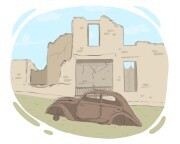
(plural) the remains of something such as a building after it has been seriously damaged or destroyed
trosky, zříceniny
Archeologický tým objevil trosky starověkého města.
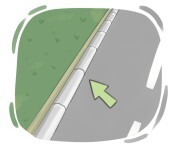
the raised edge at the side of a street, usually made of stone
obrubník, chodník
Město nainstalovalo nový obrubník, aby zlepšilo bezpečnost chodců.

a piece of land under which waste material is buried
skládka, skládka odpadu
Mnoho komunit pracuje na snížení množství odpadu odesílaného na skládku.

a system of underground pipes and tunnels used to carry away used water and waste matter from houses, factories, etc.
kanalizace
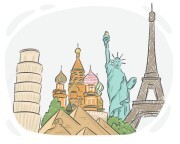
a structure or a place that is historically important
památka, historické místo
Ve Washingtonu, D.C. slouží Lincoln Memorial jako pocta prezidentu Lincolnovi a také jako mocná památka americké historie.

a structure built in honor of a public figure or a special event
památník

a place or a building that is designed and equipped for a specific function, such as healthcare, education, etc.

a place where people play and bet their money on gambling games
kasino, herný dům
Kasino hostilo speciální akci s živou hudbou a zábavou.
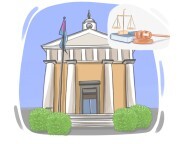
a building containing judicial courts, offices of judges, etc.
soudní budova, soud
Nová soudní budova disponuje moderním vybavením a přístupnými zařízeními.

a place or party at which people dance to music
diskotéka, noční klub
Disko bylo plné lidí tančících na nejnovější hity.
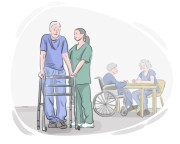
a private institute where old people live and are taken care of
domov pro seniory, pečovatelský dům
Domov pro seniory nabízí pohodlné pokoje a společné prostory pro socializaci.

a small building, often in a village, that is used as a school
škola, školní budova
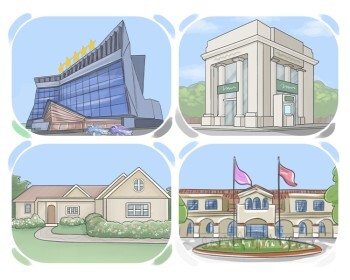
anything that is built from several parts, such as a house, bridge, etc.
struktura, stavba
Eiffelova věž v Paříži je ikonická struktura vyrobená z železné mřížky.
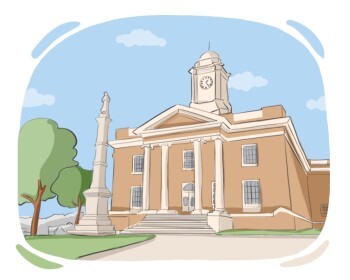
a building in which the officials of a town work
radnice, městská hala
Místní volby jsou dohlíženy na radnici.

a place where dead bodies are prepared in order to be buried or burned
pohřební ústav, pohřební dům
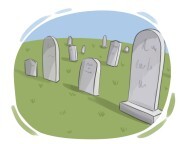
a piece of land where dead people are buried, often situated near a church
hřbitov, pohřebiště
Často navštěvovala hřbitov, aby přemýšlela o životech svých blízkých.
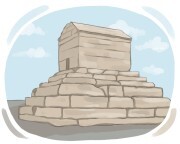
an overground or underground grave that is large in size and is often made of stone
hrobka, hrob
Položili květiny u vchodu do hrobky, aby uctili svého blízkého.
