
Seznam Slovíček Úrovně B2 - Válka a Mír
Zde se naučíte některá anglická slova o válce a míru, jako jsou "zbraně", "vojenské", "námořnictvo" atd., připravená pro studenty úrovně B2.
Revize
Kartičky
tvary
Pravopis
Kvíz


the act of fighting a war or battle

akce, boj
Akce na bojišti byla intenzivní, obě strany zuřivě bojovaly o území.

a forward movement by soldiers
postup
Vojáci provedli rychlý postup směrem k nepřátelským liniím.

a military facility where troops are stationed for training or operational purposes
tábor, kasárna
Každý den vojáci prováděli cvičení v táboře, aby se připravili na nasazení.
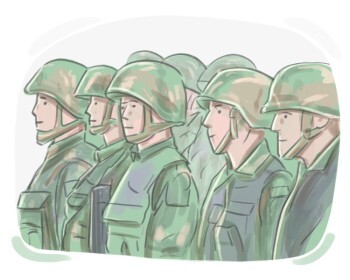
relating to soldiers or the armed forces
vojenský, armádní
Během tréninku zaujal vojenský postoj.

the branch of the armed forces that operates in the air using fighter aircraft
vzdušné síly, letectvo
Přesné letecké údery vzdušných sil pomohly vyřadit klíčové nepřátelské instalace.

the branch of the armed forces that operates at sea using warships, destroyers, etc.
námořnictvo
Ponorky námořnictva hrají klíčovou roli v národní obraně a sledování.

a field of military science that deals with the planning of an attack or defense
strategie, plán
Generál vyvinul komplexní strategii, jak přelstít nepřátelské síly během konfliktu.
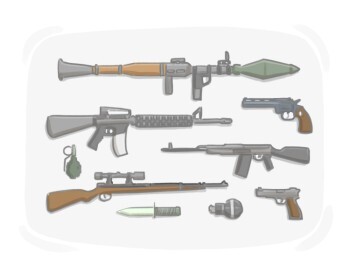
weapons in general, especially those used by the military
zbraně, výzbroj
Země výrazně investovala do modernizace svých zbraní, aby zvýšila své vojenské schopnosti.
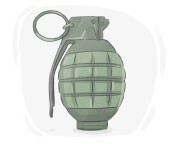
a small bomb that explodes in a few seconds, can be thrown by hand or fired from a gun
granát, výbušné zařízení
Voják vytáhl pojistku z granátu předtím, než jej hodil směrem k nepřátelské pozici.
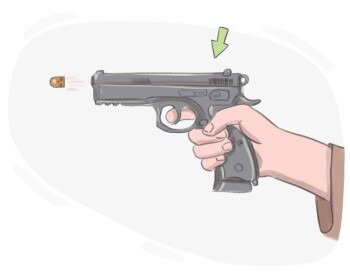
a gun that can be used with one hand
pistole, revolver
Detektiv našel na místě činu pistoli, která byla odeslána k analýze.

a piece of military equipment that is put on or just under the ground or in the sea, which explodes when it is touched
mina, výbušné zařízení
Vojáci se opatrně pohybovali po oblasti, vědomi si skrytých min.

a series of operations carried out to achieve a certain military objective
tažení
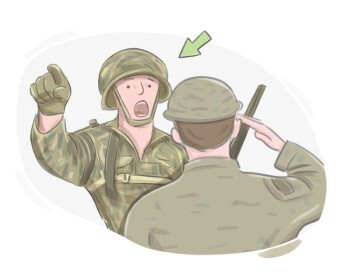
to have authority over or be in charge of a unit in the army
velet, řídit
Zatímco poručík velí jednotce, nevede jen rozkazy, ale i s empatií, chápajíc tíhu odpovědnosti, která s její pozicí přichází.

to leave the army, navy, etc. without permission or without fulfilling one's obligations
dezertovat, opustit
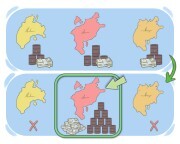
to have the power to completely or partially control someone or something
dominovat, ovládat
Společnost dominuje v technologickém průmyslu a ovládá většinu tržního podílu.
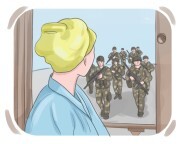
to enter a territory using armed forces in order to occupy or take control of it
vtrhnout, vojensky obsadit
Vlády po celém světě v současné době zvažují, zda napadnout nebo usilovat o diplomatická řešení.

to find people to join the armed forces
nábor, verbovat
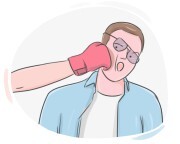
to hit using hands or weapons
udeřit, bít
Během bitvy bojovník udeřil své nepřátele mečem v každé ruce.

a fight in which two or more individuals or groups use guns
přestřelka, střelba
Sousedství se stalo nechvalně proslulým poté, co mezi soupeřícími gangy vypukla série násilných přestřelek.
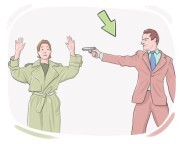
equipped with weapons or firearms
ozbrojený, vybavený zbraněmi
Tým SWAT dorazil na místo vyzbrojen taktickou výstrojí a útočnými puškami, připraven na vysoce rizikovou operaci.

involving ordinary people who are not part of the armed forces
občanský, civilní
Občanská infrastruktura města byla během obléhání těžce poškozena.

(of a city, country, etc.) captured and under the control, authority, or presence of foreign military forces or other entities
okupovaný, pod okupací
Město zůstalo okupováno nepřátelskými vojsky po několik let během války.

a military event where military units, personnel, and equipment are displayed or marched in formation to display power or be inspected
přehlídka
Vojáci pochodovali v dokonalé synchronizaci během přehlídky ke Dni nezávislosti.

someone who is captured by the enemy during a war

members of the armed forces involving those who have a lower position
hodnost, řada
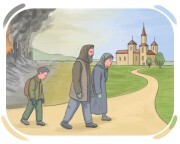
a person who is forced to leave their own country because of war, natural disaster, etc.
uprchlík, vysídlený
Uprchlická krize vyvolala diskuse o humanitární pomoci a globální odpovědnosti.

someone who enlists in the armed forces without being forced
dobrovolník, dobrovolný voják

a division of the armed forces such as the army, navy, air force, or marines, that performs specific duties and missions
služba
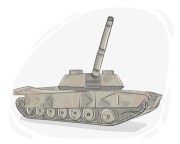
a heavily armored military vehicle with tracks and a large gun, used in ground combat
tank
Studovala historii vývoje tanků během druhé světové války pro svůj výzkumný projekt.

a ship that is made for war and has weapons
válečná loď, bitevní loď
Pokročilá technologie válečné lodi zvýšila její bojové schopnosti.

an inhuman act that is done during a war, which is against the rules of war
válečný zločin, nelidský čin během války
Byly předloženy důkazy na podporu obvinění z válečných zločinů proti vojenským vůdcům.

a ship moving above and below the sea, which is powered by nuclear energy and is usually armed with weapons such as missile
jaderná ponorka, atomová ponorka
Jaderná ponorka může díky svému výkonnému reaktoru zůstat ponořena celé měsíce.

a person, building, or area marked to be attacked
cíl, terč
Hackeři zamířili na vládní systémy jako na svůj cíl.
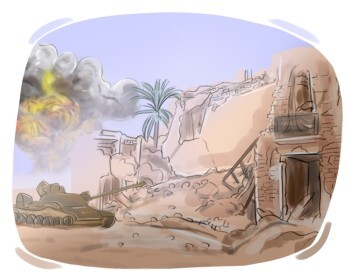
to damage or destroy something severely
zničit, zbořit
Nedostatek řádných opatření zničil stabilitu struktury.

valuable items that are taken by force, especially during a war
kořist, válečná kořist
Kořist z dobytého města byla mimo veškeré představy, plná zlata a drahokamů.
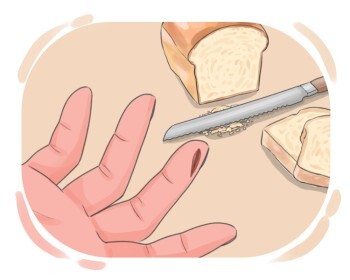
to cause physical harm or injury to someone
zranit, způsobit zranění
Trny na některých rostlinách mohou snadno zranit zahradníky, pokud s nimi není zacházeno opatrně.

a missile aimed at an aircraft from the ground or a ship
země-vzduch raketa, povrch-vzduch raketa
Armáda rozmístila rakety země-vzduch na ochranu základny před nepřátelskými letadly.

a missile that is aimed from an aircraft at a surface on the ground or sea
střela vzduch-země, střela vzduch-povrch
Střely vzduch-země jsou často vybaveny pokročilými naváděcími systémy pro zlepšení přesnosti.

a metal weapon that is consisted of a group of connected rings, which is worn on one's fingers in order to hit someone with
boxer, kovový boxer
Byl zatčen za nošení mosazných kloubů v kapse.

an aerial combat in which two or more fighter aircraft are engaged
vzdušný boj, dogfight
Film zobrazil vzrušující vzdušné souboje mezi stíhacími letouny během druhé světové války.

a member of one of the armed forces who can engage in operations taking place both on land and at sea, particularly a member of Royal Marines or United States Marine Corps
námořní pěšák, námořník
Námořní pěchota byla nasazena na pomoc při odstraňování následků hurikánu.
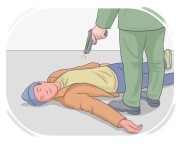
to seriously injure or kill a person by shooting them, particularly someone who is defenseless
zastřelit, sestřelit
Ostřelovač měl čistý výstřel a zastřelil nepřátelského vojáka.

an armed force of the United States trained for conducting specific military operations such as fighting from the sea

a weapon, such as a gun or knife, that is carried on the side of the body
boční zbraň, pistole
Preferoval nosit lehkou boční zbraň pro každodenní použití spíše než větší střelnou zbraň.
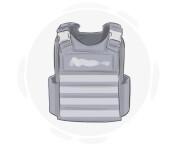
built in a way that does not let through any bullets or other projectiles
neprůstřelný, kulovzdorný
Neprůstřelný batoh poskytl rodičům klid na duši ohledně bezpečnosti jejich dětí ve škole.
