pattern

Humanidades SAT - Ley y Obligaciones

Aquí aprenderás algunas palabras en inglés relacionadas con la ley y las obligaciones, como "affidavit", "felony", "judicial", etc., que necesitarás para aprobar tus SATs.

Revisión

Tarjetas de memoria

formas

Ortografía

Cuestionario

Empezar a aprender
SAT Vocabulary for Humanities
proceeding
proceeding
[Sustantivo]

the formal process or legal action taken within a court to resolve a dispute, administer justice, etc.

procedimiento,  proceso

procedimiento, proceso

Ex: The judge scheduled a preliminary proceeding to determine the admissibility of evidence. 

El juez programó un procedimiento preliminar para determinar la admisibilidad de la evidencia.

provision
provision
[Sustantivo]

an agreed-upon condition or requirement outlined in an agreement, law, or document

estipulación, disposición

estipulación, disposición

Ex: The agreement’s provision for dispute resolution was clear and detailed. 

La disposición del acuerdo para la resolución de disputas era clara y detallada.

affidavit
affidavit
[Sustantivo]

a written statement affirmed by oath that can be used as evidence in court

afidávit

afidávit

Ex: Before submitting the document to the court, the attorney carefully reviewed the affidavit to ensure its accuracy and completeness. 

Antes de presentar el documento ante el tribunal, el abogado revisó cuidadosamente el affidavit para garantizar su precisión e integridad.

testimony
testimony
[Sustantivo]

a formal statement saying something is true, particularly made by a witness in court

testimonio, declaración

testimonio, declaración

Ex: Her testimony was crucial in establishing the defendant's guilt. 

Su testimonio fue crucial para establecer la culpabilidad del acusado.

accusation
accusation
[Sustantivo]

a statement declaring someone's guiltiness with certainty

acusación

acusación

ruling
ruling
[Sustantivo]

a decision made by someone with official power, particularly a judge

resolución

resolución

Ex: The ruling by the arbitration panel ended the long-standing dispute between the two companies. 

El fallo del panel de arbitraje puso fin a la disputa de larga data entre las dos empresas.

felony
felony
[Sustantivo]

a serious crime such as arson, murder, rape, etc.

crimen

crimen

Ex: The suspect was arrested and charged with a felony after being found in possession of illegal firearms. 

El sospechoso fue arrestado y acusado de un delito grave después de ser encontrado en posesión de armas ilegales.

parole
parole
[Sustantivo]

(law) the permission for a prisoner to leave prison before the end of their imprisonment sentence, on the condition of good conduct

libertad condicional, libertad bajo palabra

libertad condicional, libertad bajo palabra

Ex: While on parole, individuals must comply with strict rules and regulations, including regular check-ins with a parole officer. 

Mientras están en libertad condicional, los individuos deben cumplir con reglas y regulaciones estrictas, incluyendo registros regulares con un oficial de libertad condicional.

penalty
penalty
[Sustantivo]

a punishment given for breaking a rule, law, or legal agreement

castigo

castigo

Ex: The penalty for not attending the mandatory meeting was a deduction in pay. 

La penalización por no asistir a la reunión obligatoria fue una deducción en el pago.

libel
libel
[Sustantivo]

a written statement in a legal case, outlining the harmful statements made against someone and what they seek from the court

difamación, calumnia

difamación, calumnia

Ex: The lawyer meticulously drafted the libel to clearly outline the instances of defamation and their impact on the plaintiff's professional standing. 

El abogado redactó meticulosamente el libelo para delinear claramente los casos de difamación y su impacto en la posición profesional del demandante.

counterclaim
counterclaim
[Sustantivo]

a response in court, stating an opposing demand

contrademanda

contrademanda

trustee
trustee
[Sustantivo]

a person or group of people who control the property or money that belongs to another person

fideicomisario

fideicomisario

Ex: As a trustee, he had a fiduciary duty to act in the best interests of the trust's beneficiaries. 

Como fideicomisario, tenía el deber fiduciario de actuar en el mejor interés de los beneficiarios del fideicomiso.

offender
offender
[Sustantivo]

a person who commits a crime

delincuente

delincuente

Ex: The neighborhood watch group aims to identify and report any suspicious behavior by potential offenders. 

El grupo de vigilancia del vecindario tiene como objetivo identificar y reportar cualquier comportamiento sospechoso por parte de posibles delincuentes.

verdict
verdict
[Sustantivo]

an official decision made by the jury in a court after the legal proceedings

veredicto

veredicto

Ex: The defense team was surprised by the unexpected verdict of not guilty. 

El equipo de defensa se sorprendió por el veredicto inesperado de no culpable.

acquittal
acquittal
[Sustantivo]

an official judgment in court of law that declares someone not guilty of the crime they were charged with

absolución, exculpación

absolución, exculpación

Ex: The defense attorney argued persuasively, leading to the acquittal of their client despite the prosecution's case. 

El abogado defensor argumentó de manera persuasiva, lo que llevó a la absolución de su cliente a pesar del caso de la fiscalía.

penitentiary
penitentiary
[Sustantivo]

a prison or correctional facility where individuals convicted of serious crimes are confined and undergo rehabilitation

penitenciaría, establecimiento penitenciario

penitenciaría, establecimiento penitenciario

Ex: The governor visited the penitentiary to inspect the conditions and speak with inmates. 

El gobernador visitó el penitenciario para inspeccionar las condiciones y hablar con los reclusos.

reformatory
reformatory
[Sustantivo]

an institution designed to reform or rehabilitate young offenders rather than simply punish them

reformatorio, centro de rehabilitación

reformatorio, centro de rehabilitación

Ex: The judge believed the young offender would benefit more from time in a reformatory than in a traditional prison. 

El juez creyó que el joven delincuente se beneficiaría más de un tiempo en un reformatorio que en una prisión tradicional.

statutory
statutory
[Adjetivo]

according to or allowed by law

estatutario, reglamentario

estatutario, reglamentario

Ex: Employers must adhere to statutory requirements regarding minimum wage and working hours. 

Los empleadores deben cumplir con los requisitos legales en cuanto al salario mínimo y las horas de trabajo.

judicial
judicial
[Adjetivo]

belonging or appropriate for a court, a judge, or the administration of justice

judicial

judicial

Ex: The judicial system ensures fair treatment and due process for all individuals involved in legal proceedings. 

El sistema judicial garantiza un trato justo y el debido proceso para todas las personas involucradas en procedimientos legales.

indeterminate
indeterminate
[Adjetivo]

(of a judicial sentence) establishing a range of time within which the offender will serve their sentence, with the possibility of early release

indeterminado, de duración indeterminada

indeterminado, de duración indeterminada

Ex: Indeterminate sentencing aims to balance punishment with rehabilitation. 

La sentencia indeterminada tiene como objetivo equilibrar el castigo con la rehabilitación.

to indict
to indict
[Verbo]

to officially accuse a person of a crime

acusar

acusar

Ex: The district attorney may choose to indict individuals involved in public corruption. 

El fiscal de distrito puede optar por acusar a las personas involucradas en corrupción pública.
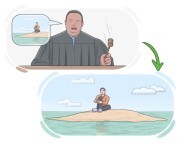
to banish
to banish
[Verbo]

to force someone to leave a country, often as a form of punishment or to keep them away

desterrar, exiliar

desterrar, exiliar

Ex: The ruler banished his political opponents to remote islands to prevent rebellion. 

El gobernante desterró a sus oponentes políticos a islas remotas para prevenir una rebelión.

to exile
to exile
[Verbo]

to force someone to live away from their native country, usually due to political reasons or as a punishment

exiliar

exiliar

Ex: The dictator decided to exile his political opponents to maintain control. 

El dictador decidió exiliar a sus oponentes políticos para mantener el control.

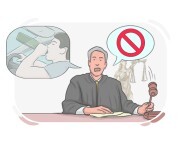
to outlaw
to outlaw
[Verbo]

to officially state that something is illegal

prohibir

prohibir

Ex: The new legislation sought to outlaw discrimination based on gender, race, and sexual orientation. 

La nueva legislación buscaba prohibir la discriminación basada en género, raza y orientación sexual.
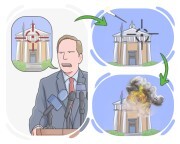
to authorize

to officially give permission for a specific action, process, etc.

autorizar

autorizar

Ex: The city council authorized the construction of a new public park in the downtown area. 

El ayuntamiento autorizó la construcción de un nuevo parque público en el centro de la ciudad.

to enact
to enact
[Verbo]

to approve a proposed law

promulgar

promulgar

Ex: The city council will convene to discuss and possibly enact a zoning ordinance. 

El consejo municipal se reunirá para discutir y posiblemente promulgar una ordenanza de zonificación.

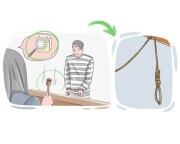
to convict
to convict
[Verbo]

to announce officially that someone is guilty of a crime in a court of law

condenar
condenar

Ex: The prosecutor worked diligently to build a strong case that would convict the accused. 

El fiscal trabajó diligentemente para construir un caso sólido que condenaría al acusado.

to execute
to execute
[Verbo]

to kill someone, especially as a legal penalty

ejecutar

ejecutar

Ex: The controversial practice of executing prisoners by firing squad has been abolished in many places due to ethical concerns. 

La práctica controvertida de ejecutar a prisioneros por pelotón de fusilamiento ha sido abolida en muchos lugares debido a preocupaciones éticas.

to prosecute

to try to charge someone officially with a crime in a court as the lawyer of the accuser

procesar

procesar

Ex: The prosecutor’s office chose not to prosecute, citing insufficient evidence. 

La fiscalía optó por no procesar, citando pruebas insuficientes.

to arbitrate

to officially resolve a disagreement between people

arbitrar

arbitrar

Ex: The HR manager was called upon to arbitrate the dispute between two employees. 

El gerente de recursos humanos fue llamado para arbitrar la disputa entre dos empleados.

non-disclosure agreement

a legally binding contract between parties, typically individuals or businesses, that outlines confidential information that the parties agree not to disclose to others

acuerdo de confidencialidad, contrato de no divulgación

acuerdo de confidencialidad, contrato de no divulgación

Ex: As part of the hiring process, prospective employees were asked to sign a non-disclosure agreement. 

Como parte del proceso de contratación, se les pidió a los futuros empleados que firmaran un acuerdo de confidencialidad.

confidentiality
confidentiality
[Sustantivo]

the assurance that sensitive information will not be divulged without proper consent

confidencialidad, secreto profesional

confidencialidad, secreto profesional

Ex: The confidentiality of classified government documents is crucial for national security. 

La confidencialidad de los documentos gubernamentales clasificados es crucial para la seguridad nacional.

obligation
obligation
[Sustantivo]

an action that one must perform because they are legally or morally forced to do so

obligación

obligación

Ex: He felt a moral obligation to help his elderly neighbor with household chores. 

Sintió una obligación moral de ayudar a su vecino anciano con las tareas domésticas.

infringement
infringement
[Sustantivo]

an action that is against a law. regulation, or agreement

violación, vulneración

violación, vulneración

infraction
infraction
[Sustantivo]

the act of breaking or not obeying a law, agreement, etc.

infracción

infracción

Ex: Students caught cheating on exams face consequences ranging from a warning to expulsion, depending on the severity of the infraction. 

Los estudiantes sorprendidos haciendo trampa en los exámenes enfrentan consecuencias que van desde una advertencia hasta la expulsión, dependiendo de la gravedad de la infracción.

inviolable
inviolable
[Adjetivo]

unable to be broken or dishonored, often due to its importance or protection by law or custom

inviolable, intocable

inviolable, intocable

Ex: The right to personal privacy is seen as inviolable and must be respected by all. 

El derecho a la privacidad personal se considera inviolable y debe ser respetado por todos.

to exempt
to exempt
[Verbo]

to officially excuse someone from a requirement or obligation

eximir

eximir

Ex: The law provides provisions to exempt certain religious practices from certain regulations. 

La ley establece disposiciones para eximir ciertas prácticas religiosas de ciertas regulaciones.

to commit
to commit
[Verbo]

to state that one is bound to do something specific

comprometerse a

comprometerse a

Ex: In response to the crisis, the humanitarian organization committed to providing emergency relief and support to affected communities. 

En respuesta a la crisis, la organización humanitaria se comprometió a proporcionar ayuda de emergencia y apoyo a las comunidades afectadas.

to entrust
to entrust
[Verbo]

to give someone the responsibility of taking care of something important, such as a task, duty, or information

encomendar, confiar

encomendar, confiar

Ex: The CEO chose to entrust the company's vision to the capable hands of the executive team. 

El CEO eligió encomendar la visión de la empresa a las manos capaces del equipo ejecutivo.

to pledge
to pledge
[Verbo]

to make a binding agreement

comprometerse, prometer

comprometerse, prometer

Ex: They were pledged to service in their community. 

Se comprometieron a servir en su comunidad.

to slander
to slander
[Verbo]

to make false and adverse statements about someone for defamation

difamar

difamar

LanGeek
Descargar la aplicación LanGeek