
Viselkedés és Megközelítés - Előrelátás és Megfontoltság
Fedezze fel, hogyan kapcsolódnak az olyan angol idiomatikus kifejezések, mint a "take stock of" és az "a rainy day" a előrelátáshoz és megfontoltsághoz az angol nyelvben.
Ismétlés
Tanulókártyák
Kvíz

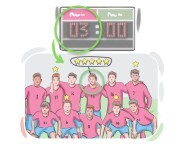
a secret advantage that a person can use when the need arises

titkos ütőkártya, ász a tarsolyban
A csapatnak még volt egy titkos ütőkártyája: egy új funkció, amelyről egyetlen versenytárs sem tudott.
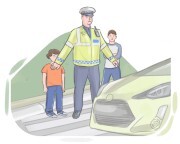
to save a person from receiving criticism, punishment, blame, etc.
bebiztosítani magát, fedezni magát
A vezető csak azért írt hosszú feljegyzést, hogy bebiztosítsa magát.
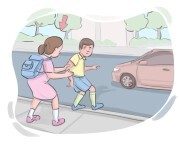
to take action in order to save a person from being criticized, punished, blamed, etc.
fedezni valakit, megvédeni a felelősségtől
Minden üzenetnél másolatba tette a vezetőjét, hogy fedezze magát.
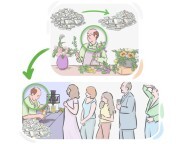
to no longer partake in a failing business, activity, etc. to prevent further damage or losses
időben kiszállni, minimalizálni a veszteséget
Továbbra is pénzt öntött az étterembe, de a barátai azt mondták, ideje kiszállni.
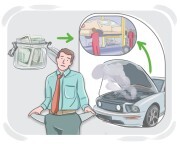
a time of financial difficulty or a period of challenge
szűkösebb idők, nehéz napok
Ne költs el mindent most, tegyél félre valamennyit szűkösebb időkre.

a willingness to use any given opportunity or situation to one's advantage
mindig a maga hasznát nézni, minden helyzetből hasznot húzni
Mindig a maga hasznát nézi, és tudja, hogyan csináljon egy válságból karrierlehetőséget.
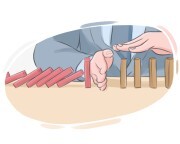
to immediately prevent something, particularly something problematic, before it has time to develop
csírájában elfojtani, még az elején megállítani
Ezeket a pletykákat még az elején meg kell állítanunk, mielőtt kárt tesznek a cégben.
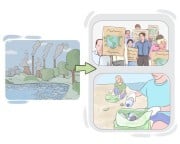
to prevent something from developing into something worse
megállítani a romlást, megállítani a lejtmenetet
Most szigorúbb ellenőrzések kellenek, hogy megállítsuk a romlást, mielőtt a panaszokból perek lesznek.
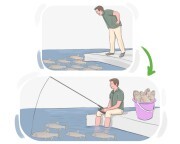
to take action while the opportunity exists
addig ütni a vasat, kihasználni az alkalmat, amíg lehet
A konferencia után több állásajánlatot is kapott, és úgy döntött, addig üti a vasat, amíg meleg.

to carefully examine a situation before making a final decision
felmérni a helyzetet, átgondolni a helyzetet
Az összeolvadás után az igazgatóság felmérte a cég pénzügyi helyzetét.
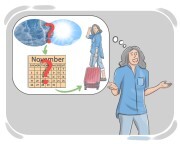
to realize how a situation is about to develop in order to be able to properly prepare for any potential problems or changes that one might encounter
kitapogatni a hangulatot, felmérni a terepet
A befektetők előbb kitapogatnák a terepet, mielőtt még több pénzt tennének bele.

to think about something very carefully before doing it
jól meggondolni, nem elhamarkodni
A rejtett díjak miatt alaposan meggondoltuk, megvegyük-e a házat.

to carefully balance between two difficult choices, behaviors, or risks
a clear plan for achieving a goal
cselekvési terv,stratégia
to choose carefully which problems or conflicts are worth fighting
used to warn that the buyer is responsible for checking quality before buying
to prepare carefully and make sure nothing important is missed
to focus on long-term success instead of quick results
involving extra precautions or overlapping safety measures to prevent problems or ensure that something succeeds, even if some of those measures are unnecessary
to consider the long-term consequences, benefits, or development of a situation rather than focusing only on immediate results
to anticipate someone's actions or a developing problem and intervene early to prevent it from happening or succeeding
to make decisions or take actions based on what is statistically most likely to succeed, rather than relying on luck or taking unnecessary risks
