
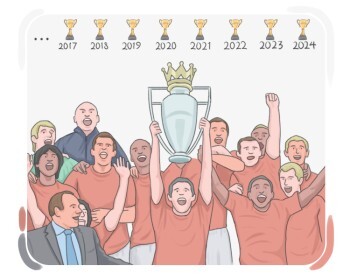
something that is a typical or normal part of a person's job

仕事柄よくあること, よくある仕事の一部
吹雪の中で3人の登山者を救助するのも、山岳救助隊にとっては仕事柄よくあることだった。
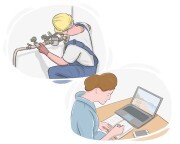
used when one is back to doing one's job and normal activities at work, particularly after a leave or vacation
仕事に復帰して, 通常業務に戻って
2週間の休みのあと、彼女は月曜日に仕事へ復帰した。
![to [mix] business with pleasure](https://cdn.langeek.co/photo/41458/thumb/350?type=jpeg "to [mix] business with pleasure")
to combine enjoyable activities with one's work
仕事と楽しみを兼ねる, 仕事ついでに楽しむ
パリで会議があったので、仕事と楽しみを兼ねて週末まで滞在した。
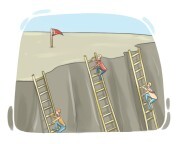
a draining and stressful lifestyle that consists of constantly competing with others for success, wealth, power, etc. and so leaving no room for rest and pleasure
消耗する競争社会, 終わりのない出世競争
彼は消耗する競争社会を離れ、海辺の小さな町に移り住んだ。
![to [talk] shop](https://cdn.langeek.co/photo/41468/thumb/350?type=jpeg "to [talk] shop")
to have work-related discussions outside of work, particularly when it is annoying or inappropriate
仕事の話をする, 仕事の話を持ち出す
夕食のときに仕事の話はやめて。少しゆっくりしたいんだ。
![the right (hand|) does not know what the left (hand|) [is] doing](https://cdn.langeek.co/photo/28271/thumb/350?type=jpeg "the right (hand|) does not know what the left (hand|) [is] doing")
used to refer to the lack of communication between the different parts of an organization about their roles or activities that leads to confusion and dysfunction
部門間の連携不足, 各部署がバラバラに動いている
そのプロジェクトは、チーム間の連携不足で失敗した。

official procedures or rules that are unnecessary and time-consuming
お役所仕事, 面倒な手続き
そのプロジェクトは、お役所仕事のせいで何か月も遅れた。
![to [close] the books](https://cdn.langeek.co/photo/48955/thumb/350?type=jpeg "to [close] the books")
to no longer make new entries when an accounting period is at its end
帳簿を締める, 会計期間を締める
財務チームは月末に帳簿を締める予定だ。

conflict between the people of an organization or company that leads to unpleasant situations
激しい内部対立, 社内の泥沼対立
取締役会がCEOの計画を却下したあと、激しい内部対立が起きた。
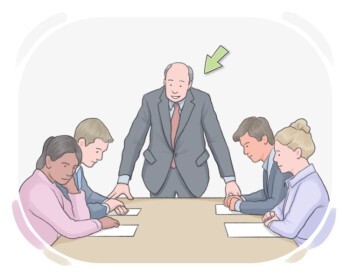
a person who holds the highest rank in a particular group or organization
一番偉い人, 実権を握る人
合併後、彼女が会社で一番偉い人になった。
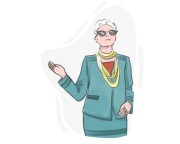
a way of referring to the woman who is a leading member or the founder of an organization, movement, etc.
影響力のある女性リーダー, 組織を仕切る女性
誰もが彼女をその運動の影響力ある女性リーダーと見ていた。
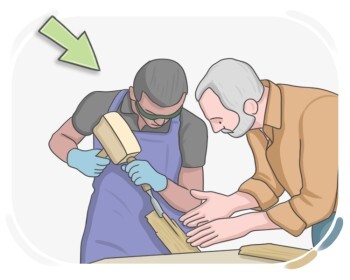
a person or thing that has recently joined a specific place, field, company, group, etc.
新入り, 新顔
新入りとして、彼女はすぐに実力を示さなければならなかった。

something or someone that has been at a place for so long that one no longer notices them
すっかりおなじみ, 見慣れすぎた存在
受付係はすっかりその場になじんでいて、皆に挨拶しても誰も特に気に留めなかった。
![to [run] a tight ship](https://cdn.langeek.co/photo/50585/thumb/manager/350?type=jpeg "to [run] a tight ship")
to control and manage an organization, group, business, etc. in a manner that is very strict, efficient, and effective
厳しく切り盛りする, きっちり管理する
新しいマネージャーは厳しく切り盛りしているので、見落としがない。
![to [fall] out with {one's} bread and butter](https://cdn.langeek.co/photo/41510/thumb/350?type=jpeg "to [fall] out with {one's} bread and butter")
to have a disagreement with someone or something that provides one's primary source of income or livelihood
生活の糧と揉める, 飯の種と仲違いする
最大の顧客を侮辱して、彼は生活の糧と揉めてしまった。
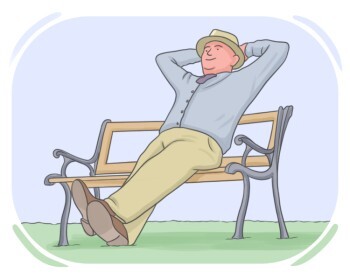
a period of time in which someone no longer works due to old age
老後の暮らし, 退職後の日々
彼らは老後の暮らしを楽しむために海辺へ引っ越した。

a job that does not provide one with the chance to advance to a better position or job
将来性のない仕事, 出世の見込みがない仕事
彼は将来性のない仕事を辞め、学校に戻った。
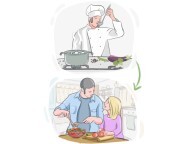
a period of leisure or vacation spent engaging in activities related to one's job or profession
仕事みたいな休暇, 休みでも仕事絡み
シェフにとって、休暇中にレストランを巡るのは仕事みたいな休暇だった。

people who are newly employed or admitted in order to provide the group, company, etc. with enthusiasm and new and exciting ideas
新しい風, 新戦力
その会社が競争力を保ちたいなら、新しい風が必要だ。
![to [cut] corners](/assets/img/no-pic-700w.png "to [cut] corners")
to do something in a quick, cheap, or careless way that lowers quality
