
Științe Umaniste SAT - Putere și Guvernare
Aici vei învăța câteva cuvinte în engleză legate de putere și conducere, cum ar fi "coaliție", "sufragiu", "abdica", etc., de care vei avea nevoie pentru a trece cu bine de testele SAT.
Revizuire
Fișe de studiu
forme
Ortografie
Chestionar


a committed loyalty or dedication to a particular cause, group, or belief

loialitate, fidelitate
Chiar dacă au avut neînțelegeri, loialitatea ei față de familie era indubitabilă.

an alliance of different groups, political parties, or countries formed to work together for a particular purpose
coaliție, alianță
an organized group that tries to influence government decisions or public policy in support of particular interests
lobby

a country that has agreed to support and help another country, especially during a war or conflict

a person who has the power to rule over a kingdom or empire, especially someone who inherits this power
monarh, suveran
Monarhul s-a adresat națiunii într-un discurs televizat, discutând despre probleme importante și evenimente viitoare.
the action of assuming an important position or title
accesiune, urcare pe tron
Accesul său la tron a fost marcat de ceremonii și sărbători elaborate.
a person who takes over a job, position, title, or role after someone else
succesor, urmaș

a lineage of kings who rule a country or nation over a long period of time
dinastie
Dinastia Romanov a fost ultima dinastie imperială care a condus Rusia.
a form of government where a single ruler or authority exercises absolute power without checks or limitations
despotism, tiranie
Coborârea țării în despotism a dus la cenzură generalizată și represiune politică.

a ruler that has total power over a state, particularly a ruler who gained power through force
dictator, tiran
the right or privilege of casting a vote in public elections
sufragiu, drept de vot
Dreptul de vot al femeilor a fost o mișcare pivotală la începutul secolului XX.
a campaign or organized effort to correct wrongdoing, abuses, or malpractices
reformă, campanie de reformă
a member of an unofficial armed group that uses irregular tactics, such as surprise attacks, against regular military or government forces
guerilist, luptător de gherilă
an organized action, usually violent, against an authority, attempting to bring about a change
rebeliune, răscoală
a bold uprising by a group, often soldiers or sailors, against their leaders
răscoală, revoltă
Generalul se temea că nemulțumirea tot mai mare ar putea să se transforme în răscoală dacă nu asculta de îngrijorările soldaților.
a rebellion or uprising, often involving violence, by a group of people against an authority or ruling power
revoltă, răscoală
Revolta împotriva regimului opresiv a durat luni de zile.
the act of rebellion or resistance against established authority, typically through speech or conduct
sediție, rebeliune
Pamfletul revoluționar a fost acuzat de sediție, deoarece îndemna cetățenii să răstoarne guvernul.
a situation in which people join together to fight against those in power
răscoală, revoltă
Răscoala țărănească a fost zdrobită cu brutalitate de armata regelui.
a condition in which individuals are forced to work or provide services against their will, without the ability to freely leave or negotiate their conditions
servitudine, robie
Mulți imigranți la începutul secolului XX s-au confruntat cu servitudinea în atelierele de sudori, îndurând ore epuizante pentru un salariu minim.
the freedom or right to act, think, or make choices as one wishes
libertate, permisiune
the process or movement of gaining freedom and equal rights for a disadvantaged or oppressed group
eliberare
the state of being free from the control of others
independență, autonomie
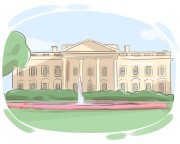
a system of governing that is authoritarian and usually not selected in a fair election
regim, guvern autoritar
using power or authority in a cruel and oppressive way against other people
tiranic, despotic
Încă de la primele zile ale domniei lor, liderul tiranic a demonstrat o natură nemiloasă și sadică, provocând suferințe de neimaginat propriului popor.

ordered or required by a rule or law
obligatoriu, cerut
Purțarea măștii în locurile publice este obligatorie pentru a preveni răspândirea virusului.
(of actions, speech, writings, etc.) encouraging rebellion against established authority or government
sedițios, rebel
Scrierile sedițioase ale autorului au fost interzise de guvern pentru că pledau pentru răsturnarea monarhiei.
making decisions based on the preferences of the majority, often without significant consideration for the rights or interests of minority groups
majoritar, bazat pe majoritate
Sistemul de vot majoritar favorizat de unele țări duce adesea la rezultate în care câștigătorul ia totul.
relating to an empire or to an emperor or empress
imperial, împărătesc
relating to the armed forces that operate at seas or waters in general
naval, maritim
Academia navală instruiește ofițeri pentru serviciul în marină.
to give up, surrender, or part with a possession, right, or claim
renunța, ceda
Pentru binele echipei, ea a ales să renunțe la rolul său de lider.
to officially take possession or control of something, typically for military or governmental purposes, often without the consent of the owner
requizitiona, confisca
În timpul situației de urgență, comanda militară requiziționează vehiculele civile pentru a transporta provizii în zonele afectate.

(of a monarch or ruler) to step down from a position of power
abdica, a renunța la tron
Regina Elisabeta a II-a nu a exprimat nicio intenție de a abdica în timpul domniei sale.
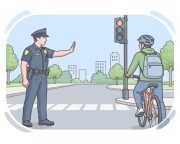
to make sure that a law, rule, or regulation is obeyed
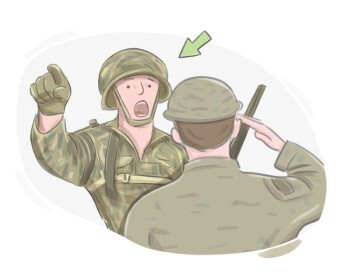
to give an official order to a person or an animal to perform a particular task
comanda, ordona
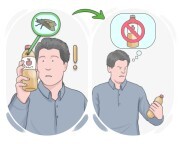
to refuse to buy, use, or participate in something as a way to show disapproval or to try to bring about a change
boicota, a participa la un boicot
Mulți clienți au boicotat magazinul după serviciul său slab pentru clienți.
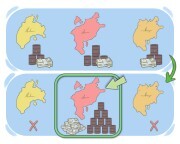
to have the power to completely or partially control someone or something
domina, controla

to wrongly take someone else's position, power, or right
uzurpa, prelua ilegitim
Triburile locale au simțit că guvernul încerca să uzurpe teritoriile lor.
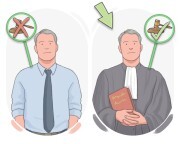
to give someone the right or qualification to have, receive, or do something
îndreptăți, da dreptul
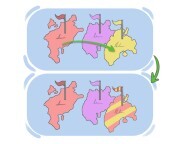
to establish control over an area or people, often by settling and exploiting it
coloniza

to formally approve a decision, action, etc., typically through an official process or legal means
ratifica, aproba oficial
Membrii parlamentului s-au adunat pentru a ratifica noua constituție propusă pentru țară.
to impose an official penalty or punitive measure on someone or something
sancționa, penaliza
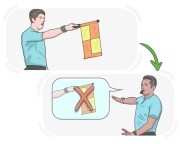
to use one's official or political authority to change or reject a previously made decision
anula, respinge
Curtea de apel a decis să anuleze decizia instanței inferioare și să acorde un nou proces.
to take control of or incorporate additional land into an existing country or state
anexa, incorpora
Împăratul a căutat să anexeze provinciile învecinate pentru a extinde teritoriul imperiului său.
oppressed or treated unfairly, especially by those in power
asuprit, calcat în picioare
Muncitorii asupriți au protestat împotriva condițiilor de muncă nedrepte.
