
Гуманитарные Науки SAT - Власть и Правление
Здесь вы узнаете некоторые английские слова, связанные с властью и правлением, такие как "коалиция", "избирательное право", "отречься" и т.д., которые вам понадобятся для успешной сдачи SAT.
Обзор
Флэш-карточки
формы
Правописание
Тест


a committed loyalty or dedication to a particular cause, group, or belief

верность, преданность
Тайное общество требовало полной преданности от своих членов.

an alliance of different groups, political parties, or countries formed to work together for a particular purpose
коалиция
an organized group that tries to influence government decisions or public policy in support of particular interests
лобби

a country that has agreed to support and help another country, especially during a war or conflict
союзник

a person who has the power to rule over a kingdom or empire, especially someone who inherits this power
монарх
Монарх обратился к нации во время телевизионного выступления, обсуждая важные вопросы и предстоящие события.
the action of assuming an important position or title
вступление, восшествие
Его вступление на престол было отмечено сложными церемониями и празднованиями.
a person who takes over a job, position, title, or role after someone else
преемник

a lineage of kings who rule a country or nation over a long period of time
династия
Династия Романовых была последней императорской династией, правившей Россией.
a form of government where a single ruler or authority exercises absolute power without checks or limitations
деспотизм
Спуск страны в деспотизм привел к повсеместной цензуре и политическим репрессиям.

a ruler that has total power over a state, particularly a ruler who gained power through force
диктатор
the right or privilege of casting a vote in public elections
избирательное право
Всеобщее избирательное право гарантирует, что все взрослые граждане имеют право голоса.
a campaign or organized effort to correct wrongdoing, abuses, or malpractices
реформа, кампания по реформе
a member of an unofficial armed group that uses irregular tactics, such as surprise attacks, against regular military or government forces
партизан
an organized action, usually violent, against an authority, attempting to bring about a change
восстание
Восстание было вызвано жесткой политикой правительства.
a bold uprising by a group, often soldiers or sailors, against their leaders
мятеж
Идея мятежа возникла, когда войска не получили положенную им зарплату и льготы.
a rebellion or uprising, often involving violence, by a group of people against an authority or ruling power
восстание
Восстание против репрессивного режима длилось месяцами.
the act of rebellion or resistance against established authority, typically through speech or conduct
призыв к мятежу, крамола
Революционный памфлет был обвинен в мятеже, так как призывал граждан свергнуть правительство.
a situation in which people join together to fight against those in power
восстание
Крестьянское восстание было жестоко подавлено королевской армией.
a condition in which individuals are forced to work or provide services against their will, without the ability to freely leave or negotiate their conditions
рабство
Многие иммигранты в начале 20-го века столкнулись с рабством в потогонных мастерских, терпя изнурительные часы за минимальную оплату.
the freedom or right to act, think, or make choices as one wishes
свобода, воля
the process or movement of gaining freedom and equal rights for a disadvantaged or oppressed group
освобождение
the state of being free from the control of others
независимость
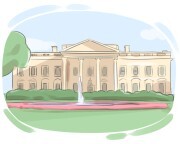
a system of governing that is authoritarian and usually not selected in a fair election
режим, власть
using power or authority in a cruel and oppressive way against other people
тиранический
На протяжении истории общества восставали против тиранических режимов в стремлении к свободе и равенству.

ordered or required by a rule or law
принудительный
Ношение маски в общественных местах обязательно для предотвращения распространения вируса.
(of actions, speech, writings, etc.) encouraging rebellion against established authority or government
мятежный, бунтарский
Мятежные писания автора были запрещены правительством за пропаганду свержения монархии.
making decisions based on the preferences of the majority, often without significant consideration for the rights or interests of minority groups
мажоритарный, основанный на большинстве
Мажоритарная избирательная система, предпочитаемая некоторыми странами, часто приводит к результатам, при которых победитель получает все.
relating to an empire or to an emperor or empress
имперский, царский
relating to the armed forces that operate at seas or waters in general
военно-морской
Военно-морская академия готовит офицеров для службы на флоте.
to give up, surrender, or part with a possession, right, or claim
оставлять
Ради команды она решила отказаться от своей руководящей роли.
to officially take possession or control of something, typically for military or governmental purposes, often without the consent of the owner
реквизировать
Во время чрезвычайной ситуации военное командование реквизирует гражданские транспортные средства для доставки грузов в пострадавшие районы.

(of a monarch or ruler) to step down from a position of power
отречься, отречься от престола
Правитель отрекается от престола из-за проблем со здоровьем.
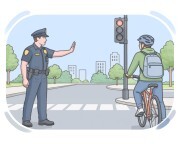
to make sure that a law, rule, or regulation is obeyed
обеспечивать исполнение
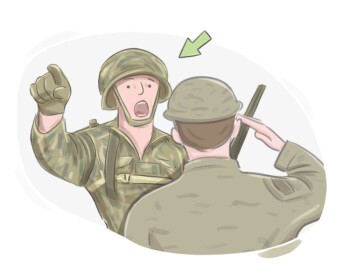
to give an official order to a person or an animal to perform a particular task
командовать
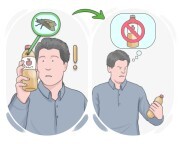
to refuse to buy, use, or participate in something as a way to show disapproval or to try to bring about a change
бойкотировать
Многие клиенты бойкотировали магазин после его плохого обслуживания клиентов.
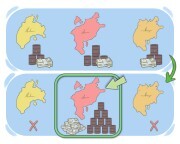
to have the power to completely or partially control someone or something
доминировать, господствовать

to wrongly take someone else's position, power, or right
незаконно захватить
Принца обвинили в попытке узурпировать положение своего старшего брата.
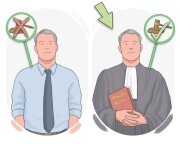
to give someone the right or qualification to have, receive, or do something
давать право
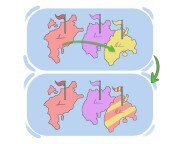
to establish control over an area or people, often by settling and exploiting it
колонизировать

to formally approve a decision, action, etc., typically through an official process or legal means
ратифицировать
Члены парламента собрались, чтобы ратифицировать новую предложенную конституцию для страны.
to impose an official penalty or punitive measure on someone or something
санкционировать, наказывать
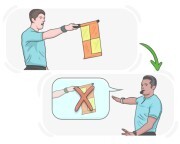
to use one's official or political authority to change or reject a previously made decision
отменять
Апелляционный суд решил отменить решение нижестоящего суда и назначить новое судебное разбирательство.
to take control of or incorporate additional land into an existing country or state
аннексировать, присоединять
Император стремился аннексировать соседние провинции, чтобы расширить территорию своей империи.
oppressed or treated unfairly, especially by those in power
угнетённый, притесняемый
Угнетённые рабочие протестовали против несправедливых условий труда.
