C2 Level Wordlist - Architecture

Here you will learn all the essential words for talking about Architecture, collected specifically for level C2 learners.

review-disable

review

flashcard-disable

flashcard

spelling-disable

spelling

quiz-disable

quiz

start-learning
C2 Level Wordlist
portico [noun]

a covered entrance or porch with columns, typically leading to the main entrance of a building and serving as a decorative architectural feature

Ex: The university library boasted a stunning neoclassical portico , welcoming students with its imposing façade .

a row of connected posts placed at the edge of a height such as stairway, balcony, etc. in order to protect people from falling
Ex: The rooftop terrace was enclosed by a glass balustrade , offering unobstructed views of the city skyline .

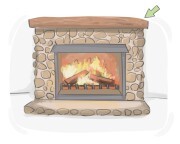
a shelf that is made of wood or stone and is above a fireplace

Ex: The antique clock was displayed prominently on the mantelpiece , its intricate design adding character to the room .

a style or approach that combines various architectural influences, elements, or styles from different time periods or cultures to create a unique and diverse design

Ex: The eclectic façade of the house showcased the owner 's appreciation for eclecticism , featuring a mishmash of decorative details from around the world .
atrium [noun]

a large area typically with glass walls or roof in the middle of a building such a shopping center

Ex: The museum 's atrium served as a welcoming entrance hall , with a dramatic staircase leading up to the galleries .
vault [noun]

an architectural structure, often made of stone or concrete, that forms a curved or arched ceiling or roof, providing strength, support, and architectural beauty to a space
Ex: The bank 's main hall was adorned with a marble vault , showcasing the institution 's wealth and stability .
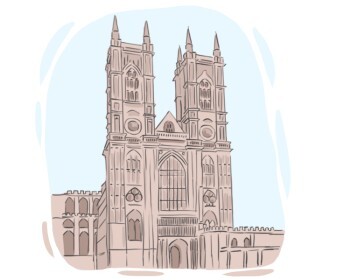
facade [noun]

the front of a building, particularly one that is large and has an elegant appearance

Ex: The theater 's facade featured a marquee sign and grand entrance , inviting patrons to experience the magic of live performances within .
gable [noun]

the upper part of a house wall in the shape of a triangle where it meets a sloping roof

Ex: The cottage had charming dormer windows set into the gable , allowing natural light to filter into the upper floor .

a floor situated between two other floors of a building, which is smaller compared to the two

Ex:
parapet [noun]

a low protective wall or railing built along the edge of a roof, balcony, bridge, or other elevated structure to prevent people from falling

Ex: The fortress 's battlements featured crenellations along the parapet , allowing defenders to take cover while still maintaining visibility .
pergola [noun]

an outdoor structure with a framework of vertical posts and cross-beams, often covered with climbing plants for shade
Ex: In the garden , a pergola served as a focal point , its lattice adorned with cascading roses , creating a serene and inviting atmosphere .

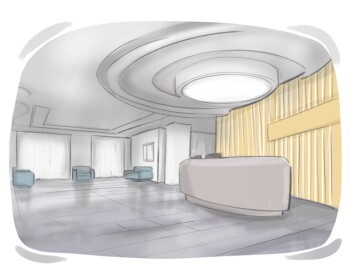
a small entrance hall or lobby located just inside the main entrance of a building, serving as a transitional space between the exterior and the interior
Ex: The theater 's vestibule featured posters of upcoming shows and served as a gathering space for patrons before the performances .
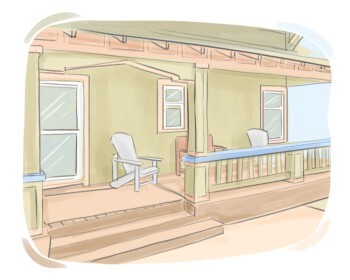
veranda [noun]

a roofed area with an open front at the ground level, which is attached to the side of a house

Ex: The Victorian mansion had a charming veranda adorned with wicker furniture and potted plants .
alcove [noun]

a recessed part of a wall that is built further back from the rest of it

Ex: The bedroom featured a window alcove , providing a sunny spot for a reading nook or small seating area .
nook [noun]

a small, cozy corner created where two walls meet

Ex: The library had several reading nooks , each equipped with a small table and a reading lamp , providing a serene escape for book lovers .
tympanum [noun]

the semi-circular or triangular space enclosed by the lintel and arch above a doorway, often decorated with sculptural reliefs or intricate designs

Ex: The Renaissance cathedral 's tympanum was adorned with a depiction of the Last Judgment , a dramatic and powerful statement of religious doctrine .
volute [noun]

a spiral or scroll-like architectural ornament, typically found at the top of a column capital, staircase railing, or decorative molding

Ex: The Baroque façade was embellished with decorative volutes , a hallmark of the architectural style 's exuberance and drama .
spandrel [noun]

the triangular or curved space between an arch and the surrounding vertical supports, typically filled with decorative elements or panels

Ex: The Renaissance palace featured ornate frescoes on the spandrels of its arches , depicting scenes from classical mythology .

a decorative element or motif consisting of four overlapping circles or lobes that form a symmetrical shape resembling a four-leaf clover

Ex: The medieval castle 's gatehouse featured a quatrefoil window above the entrance , allowing defenders to observe approaching threats .
pediment [noun]

the triangular upper portion of the entrance of a building, often seen in buildings with Classical architecture

Ex: The Baroque façade was crowned with an elaborate pediment featuring sculpted figures and decorative motifs .
niche [noun]

a hollow space in a wall, used for putting in decorative objects such a statue, or other decorative items

Ex: The courtyard featured a series of arched niches , each containing a small fountain or statue .
quoin [noun]

the corner angle of a building, typically formed by masonry blocks or stones

Ex: The Gothic cathedral 's flying buttresses terminated in decorative quoins , providing both structural support and aesthetic embellishment .
keystone [noun]

a stone located at the top center of an arch, keeping all the other stones together

Ex: The neoclassical building had a pediment adorned with a sculpted keystone , symbolizing strength and stability .

the horizontal, decorative element that rests on top of columns or pillars in architecture

Ex: The Corinthian order is characterized by its elaborate entablature , adorned with intricate carvings and ornamental details .
gargoyle [noun]

stone figures that resemble a hideous creature and that are attached to the top of some old buildings, particularly old churches, for carrying rain water off the roof

Ex: The Renaissance palace had ornate balustrades topped with sculpted gargoyles , adding a touch of whimsy to the architectural design .
abacus [noun]

a flat, stone block that sits on top of a column, used to support the parts above it such as a roof

Ex: The abacus of the Corinthian capital is adorned with acanthus leaves and scrolls , reflecting the order 's ornate style .

an architectural feature that consists of a series of arched ribs or arches that intersect to form a structural framework supporting a vaulted ceiling

Ex: The Renaissance palace featured a series of rib vaults in its grand gallery , creating a sense of height and grandeur .
loggia [noun]

a room or gallery that is open in one or more sides, particularly one that is attached to a house and faces a garden on one side

Ex: The Art Deco apartment building had a stylish rooftop loggia , perfect for residents to enjoy cocktails while taking in the city skyline .

a large hall with a roof supported by many columns

Ex: The Greek agora had a hypostyle marketplace , with rows of columns supporting a roof that provided shade for merchants and shoppers .
buttress [noun]

a protruding structure that supports a building or wall and is made out of bricks or stones

Ex: The Romanesque church featured exterior buttresses adorned with decorative carvings , adding to the architectural beauty of the building .