pattern

SAT Natural Sciences - Botany and Gardening

Here you will learn some English words related to botany and gardening, such as "biennial", "mycology", "sepal", etc. that you will need to ace your SATs.

Review

Flashcards

Forms

Spelling

Quiz

Start learning
SAT Vocabulary for Natural Sciences
botanist
botanist
[noun]

a student of or specialist in the scientific study of plants, their structure, genetics, classification, etc.
Ex: The botanist spent years cataloging rare plant species in the Amazon rainforest to understand their ecological role. 
Close
Sign in
biennial
biennial
[noun]

a plant that lives for two years and in its second year produces seeds and flowers

Close
Sign in
evergreen
evergreen
[noun]

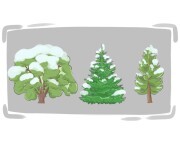
any type of plant with leaves that remain green throughout the year
Ex: They admired the row of evergreens lining the driveway, adding year-round beauty and privacy. 
Close
Sign in
patch
patch
[noun]

a small plot of land that is used for growing a particular type of crops or plants

Close
Sign in
foliage
foliage
[noun]

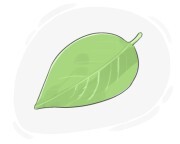
a plant or tree's branches and leaves collectively
Ex: The dense foliage provided a cool shade on a hot day. 
Close
Sign in
bulb
bulb
[noun]

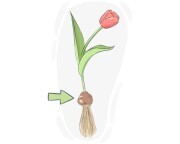
the ball-shaped root of some plants that grows anew every year

Ex: She discovered a forgotten bulb of garlic in the pantry and decided to use it in her recipe. 
Close
Sign in
potting soil

a specially formulated mixture of organic and inorganic materials used to grow plants in containers

Close
Sign in
crown
crown
[noun]

the top part of a tree or other plant

Ex: The bird built its nest in the crown of the tall oak tree, safe from predators. 
Close
Sign in
terrarium
terrarium
[noun]

a sealed or open container for growing and displaying small plants, often used as a decorative piece indoors
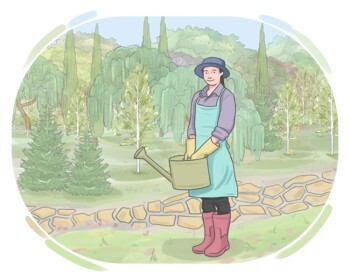
Ex: She created a beautiful terrarium with succulents and moss on her windowsill. 
Close
Sign in
to prune
to prune
[Verb]

to cut off top part or some branches of trees, bushes, or other plants to help them grow faster

Ex: She prunes the rose bushes in the garden to encourage more blooms. 
Close
Sign in
to graft
to graft
[Verb]

to cut and join a piece of a living plant to another plant so that it can continue growing from there

Close
Sign in
grove
grove
[noun]

a small group of trees planted closely together, often cultivated for their ornamental value or fruit production
Ex: The olive grove stretched across the hillside, producing a bounty of fruits each year. 
Close
Sign in
to pollinate

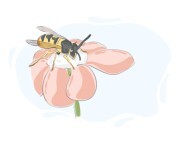
to deposit pollen on a plant or flower so that it can produce new seeds or fruit

Ex: Bees pollinate flowers as they collect nectar, aiding in the reproduction of plants. 
Close
Sign in
photosynthesis

a process in green plants during which the plant synthesizes using water and carbon dioxide
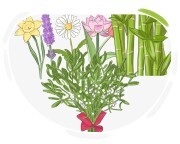
Ex: Photosynthesis in leaves produces the oxygen we breathe. 
Close
Sign in
vegetation

trees and plants in general, particularly those of a specific habitat or area

Ex: The dense vegetation in the tropical rainforest creates a lush canopy that filters sunlight and supports a myriad of wildlife. 
Close
Sign in
phytoremediation

the use of plants to clean up soil, water, and air contaminated with hazardous pollutants

Close
Sign in
mycology
mycology
[noun]

the scientific study of fungi, including their taxonomy, biology, ecology, and uses

Ex: Mycology research focuses on understanding fungal diversity and evolution. 
Close
Sign in
spore germination

the process by which the reproductive unit of the plants or fungi begins to grow and develop into a new organism

Close
Sign in
phototropism

the tendency of plants to grow toward or away from light, influenced by the direction and intensity of light
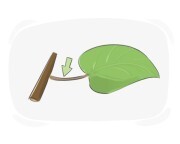
Ex: Sunflowers exhibit phototropism by turning their heads to face the sun throughout the day. 
Close
Sign in
stalk
stalk
[noun]

the slender, elongated part of a plant that supports leaves, flowers, or fruits

Ex: As she prepared the celery for a salad, she trimmed the leafy stalks and discarded the tougher parts. 
Close
Sign in
sprout
sprout
[noun]

a new growth or bud on a plant, typically emerging from a seed, bulb, or dormant bud

Ex: The garden was filled with tiny sprouts pushing through the soil after the rain. 
Close
Sign in
taproot
taproot
[noun]

the primary, central root of a plant that grows vertically downward, typically thicker than other roots, anchoring the plant and absorbing water and nutrients

Ex: Carrots are known for their taproots, which store nutrients for the plant. 
Close
Sign in
sepal
sepal
[noun]

the outermost part of a flower, typically green and leaf-like in appearance, protecting the flower bud before it opens

Ex: The sepals of the rose flower were tinged with pink, contrasting with its petals. 
Close
Sign in
dandelion
dandelion
[noun]

a small plant with yellow flowers that turn into round, fluffy seed heads

Ex: Children blew the seeds off a dandelion. 
Close
Sign in
tulip
tulip
[noun]

a flower shaped like a cup that has bright colors and blossoms in spring

Ex: The garden was adorned with a variety of tulips, creating a vibrant display of red, yellow, and pink flowers. 
Close
Sign in
stoma
stoma
[noun]

a microscopic pore found on the surface of leaves and stems of plants, involved in gas exchange, including the uptake of carbon dioxide and release of oxygen and water vapor

Ex: Each stoma on the leaf's surface opens and closes to regulate the plant's water balance. 
Close
Sign in
algae
algae
[noun]

plants without true roots, leaves, or stems, which grow in or near a body of water, such as seaweeds

Ex: Some vegan cheeses use algae-based ingredients to achieve a creamy texture and unique flavor. 
Close
Sign in
phytoplankton

the microscopic, photosynthetic organisms found in aquatic environments, such as oceans, lakes, and rivers, forming the base of the aquatic food chain

Ex: Phytoplankton are crucial producers in marine ecosystems, converting sunlight into energy. 
Close
Sign in
viburnum
viburnum
[noun]

a genus of flowering shrubs and small trees known for their clusters of white or pink flowers, followed by berries, commonly found in temperate regions

Ex: The viburnum bush in our garden blooms with fragrant white flowers every spring. 
Close
Sign in
moss
moss
[noun]

a small, non-vascular plant that lacks true roots, stems, and leaves, typically forming dense green mats or cushions in damp or shady environments
Ex: The moss covered the forest floor in a soft carpet of green. 
Close
Sign in
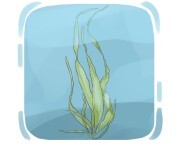
seaweed
seaweed
[noun]

a type of plant that grows in or near the sea
Ex: I enjoy the refreshing taste of seaweed salad. 
Close
Sign in
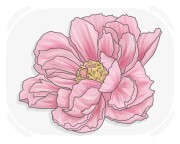
peony
peony
[noun]

a flowering plant known for its large, showy blossoms with lush, often fragrant petals

Close
Sign in
euphorbia
euphorbia
[noun]

a plant in the family Euphorbiaceae, known for their diverse forms from succulents to shrubs, typically characterized by milky sap and unique flower structures

Ex: The euphorbia in the garden had bright yellow flowers and thick, fleshy leaves. 
Close
Sign in
sprig
sprig
[noun]

a small, slender branch or shoot with leaves, commonly used in decorative arrangements or for propagation in gardening and landscaping

Ex: She placed a sprig of cherry blossoms in a vase to brighten up the room. 
Close
Sign in
LanGeek
Download LanGeek app