
Solutions - Upper-Intermediate - Unit 8 - 8A
Here you will find the vocabulary from Unit 8 - 8A in the Solutions Upper-Intermediate coursebook, such as "inequality", "globalisation", "petition", etc.
Review
Flashcards
Forms
Spelling
Quiz

the unfair treatment of people based on their gender, where one gender, usually women, has fewer rights, opportunities, or resources than the other
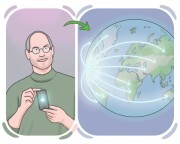
the fact that the cultures and economic systems around the world are becoming connected and similar as a result of improvement in communications and development of multinational corporations
the increase in the average temperature of the Earth as a result of the greenhouse effect
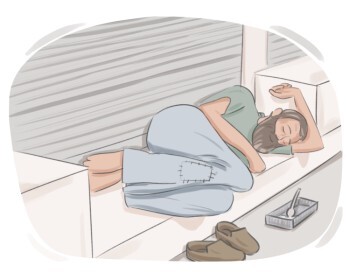
the fact or condition of not having a home
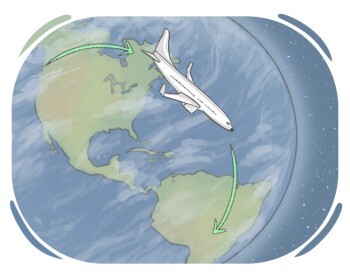
the fact or process of coming to another country to permanently live there
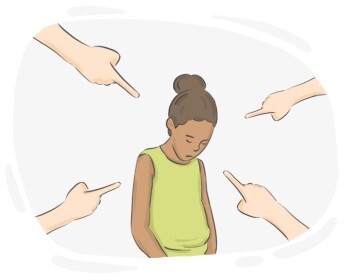
harmful or unfair actions, words, or thoughts directed at people of different races, often based on the idea that one’s own race is more intelligent, moral, or worthy
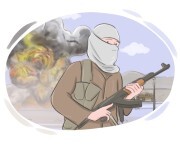
the act of using violence such as killing people, bombing, etc. to gain political power
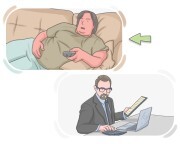
the state of being without a job

a series of organized activities that are intended to achieve a particular goal
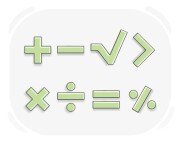
a symbol or letters used in math, music, or other subjects to show an instruction, idea, etc.

to have a certain opinion regarding an issue
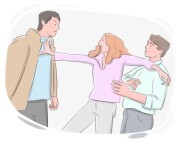
to provide someone or something with encouragement or help
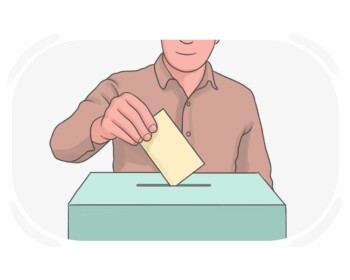
to show which candidate one wants to win in an election or which plan one supports, by marking a piece of paper, raising one's hand, etc.
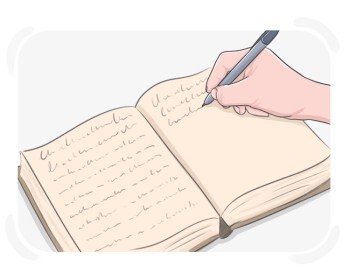
to make letters, words, or numbers on a surface, usually on a piece of paper, with a pen or pencil
a musical performance or event organized to raise money or awareness for a particular cause or charity
the day on which citizens of a country go to the polls to cast their vote in an election
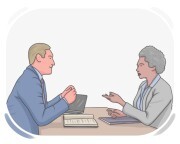
a formal meeting during which a journalist asks a famous person different questions about specific subjects for publication
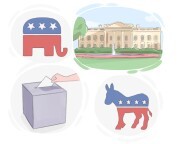
related to or involving the governance of a country or territory

a discussion about a particular issue between two opposing sides, mainly held publicly
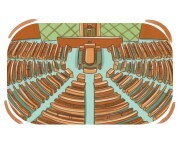
the group of elected representatives whose responsibility is to create, amend, and discuss laws or address political matters
someone who is competing in an election or for a job position

an alliance of different groups, political parties, or countries formed to work together for a particular purpose
the people in a particular area who are represented by an elected member of a parliament or legislature
a political event in which voters choose their representatives in a government at the national or state level
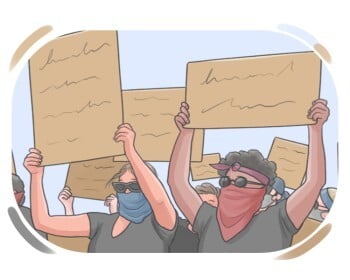
an organized public demonstration expressing strong disapproval of an official policy or action
to show clearly that something is true or exists by providing proof or evidence
to start operating or functioning
a display of support for or protest against something or someone by a march or public meeting
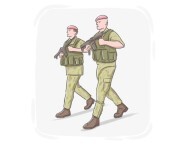
the act of troops walking with regular, disciplined steps, often over a distance or as part of maneuvers
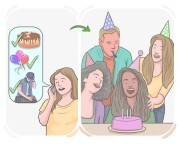
to organize a specific event, such as a meeting, party, election, etc.
a large public gathering held to show support for a cause, opinion, or group
to provide support or lift to something or someone, often by bearing the weight or preventing it from falling or collapsing

a sign or poster that is usually used for public display, often for advertising or promoting a message or cause

to give our attention to the sound a person or thing is making
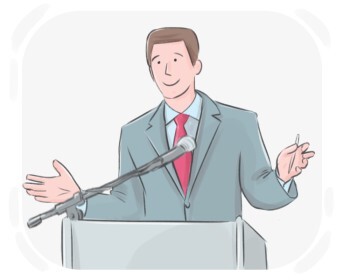
a formal talk about a particular topic given to an audience

to speak loudly, often associated with expressing anger or when you cannot hear what the other person is saying

a short memorable phrase that is used in advertising to draw people's attention toward something

to write one's name or mark on a document to indicate acceptance, approval, or endorsement of its contents
a document signed by many people formally requesting action from a person or organization in authority
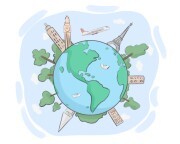
regarding or affecting the entire world
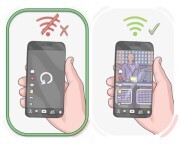
problems or difficulties that arise, especially in relation to a service or facility, which require resolution or attention
the act of banning or deleting information that could be valuable to the enemy

dishonest or illegal conduct, especially by people who hold positions of power or authority
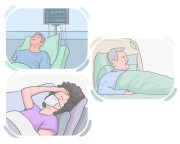
an illness in a human, animal, or plant that affects health
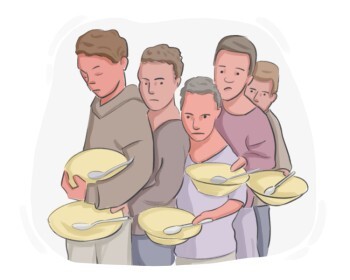
a situation where there is not enough food that causes hunger and death
a situation in government where no one political party or group has more than half of the total number of seats in the parliament

the greater number of votes by which a candidate or party wins an election
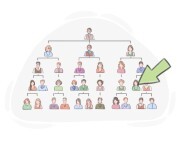
someone or something that is in a specific group, club, or organization

the head of government in parliamentary democracies, who is responsible for leading the government and making important decisions on policies and law-making
a system of voting where the number of seats won by a political party or group of candidates is proportional to the number of votes they receive from the electorate
an official choice made by an individual or a group of people in a meeting or election

a public notice, image, video, or other message intended to promote a product, service, event, job, or similar offering

to put things into a particular order or structure
a type of explosive device that derives its destructive power from nuclear reactions
| Solutions - Upper-Intermediate | |||
|---|---|---|---|
| Unit 7 - 7F | Unit 8 - 8A | Unit 8 - 8C | Unit 8 - 8E |
| Unit 8 - 8F | Unit 9 - 9A | Unit 9 - 9E | Unit 9 - 9F |
| Unit 9 - 9H | Culture 1 | Culture 7 | |
