pattern

Cambridge IELTS 16 - Academic - Test 2 - Reading - Passage 3 (1)

Here you can find the vocabulary from Test 2 - Reading - Passage 3 (1) in the Cambridge IELTS 16 - Academic coursebook, to help you prepare for your IELTS exam.

Review

Flashcards

Forms

Spelling

Quiz

Start learning
Cambridge IELTS 16 - Academic
wise
wise
[Adjective]

showing good judgment and experience in making decisions

Ex: His wise advice helped me navigate a difficult situation. 
Close
Sign in
wisdom
wisdom
[noun]

the quality of being knowledgeable, experienced, and able to make good decisions and judgments

Ex: The wisdom of the elderly woman was evident in the way she calmly solved problems that others found overwhelming. 
Close
Sign in
revered
revered
[Adjective]

profoundly honored

Close
Sign in
few and far between

rare and very hard to find

Ex: In the desert, freshwater springs are few and far between, making them precious resources. 
Close
Sign in
empirical
empirical
[Adjective]

based upon observations or experiments instead of theories or ideas

Ex: The scientist relied on empirical data to support her hypothesis about climate change. 
Close
Sign in
to suggest

to lead one to believe or consider that something exists or is true

Ex: The dark clouds and distant rumble of thunder suggested an approaching storm. 
Close
Sign in
exceptional
exceptional
[Adjective]

standing out due to uniqueness, surpassing the usual standard

Ex: Her exceptional kindness made her beloved by everyone she met. 
Close
Sign in
bearded
bearded
[Adjective]

having hair growing on the lower part of one's face

Ex: The bearded man looked rugged and masculine with his thick facial hair. 
Close
Sign in
given
given
[preposition]

used to indicate that something is provided or accepted as a basis for a particular situation or argument

Ex: Given the weather conditions, it would be wise to bring an umbrella. 
Close
Sign in
context
context
[noun]

the set of facts or circumstances surrounding a situation or event that provide clarity and understanding

Ex: The context of the negotiations changed drastically after the new regulations were introduced. 
Close
Sign in
experiential
experiential
[Adjective]

relating to or resulting from experience

Close
Sign in
associate professor

a teacher lower in rank than a full professor but higher than an assistant professor

Close
Sign in
finding
finding
[noun]

a piece of information discovered as a result of a research

Ex: The scientist's finding revealed a new way to treat the disease. 
Close
Sign in
cognitive
cognitive
[Adjective]

referring to mental processes involved in understanding, thinking, and remembering

Ex: Cognitive therapy helps individuals recognize and change negative thought patterns. 
Close
Sign in
developmental
developmental
[Adjective]

related to the process of growth, progress, or improvement over time

Ex: The developmental stage of the project focuses on research and planning. 
Close
Sign in
cumulatively
cumulatively
[Adverb]

in a way that increases gradually through successive additions, accumulating over time

Ex: The interest on the savings account grows cumulatively with each deposit. 
Close
Sign in
to reason
to reason
[Verb]

to think rationally and make good judgement

Ex: The philosopher reasoned with clarity and precision during the debate. 
Close
Sign in
to vary
to vary
[Verb]

to experience change, often in response to different situations or conditions
Ex: The color of the chameleon's skin can vary to match its surroundings. 
Close
Sign in
dramatically
dramatically
[Adverb]

to a significantly large extent or by a considerable amount

Ex: The company's profits increased dramatically after the strategic changes. 
Close
Sign in
contextual
contextual
[Adjective]

relating to or determined by or in context

Close
Sign in
insight
insight
[noun]

a penetrating and profound understanding that goes beyond surface-level observations or knowledge

Ex: Years of study and contemplation yielded profound insights into the nature of existence. 
Close
Sign in
to characterize

to describe the qualities of someone or something in a certain manner

Ex: The historian characterized the Renaissance period as a time of cultural rebirth and artistic innovation. 
Close
Sign in
to attribute

to relate or assign a feature or quality to something or someone
Ex: With its awe-inspiring architecture and rich cultural heritage, the city is often attributed with a vibrant and diverse cultural scene. 
Close
Sign in
to consider

to think about something carefully before making a decision or forming an opinion

Ex: I need to consider whether to accept the promotion. 
Close
Sign in
in other words

used to provide an alternative or clearer way of expressing the same idea

Ex: The weather is quite pleasant today; in other words, it's a beautiful day. 
Close
Sign in
solely
solely
[Adverb]

with no one or nothing else involved

Ex: The decision was made solely to improve efficiency. 
Close
Sign in
to unfold
to unfold
[Verb]

to develop or progress in a way that shows promise or potential
Ex: As the project continued, new opportunities began to unfold. 
Close
Sign in
to promote

to help or support the progress or development of something

Ex: The manager worked to promote teamwork and collaboration within the team. 
Close
Sign in
to come up with

to create something, usually an idea, a solution, or a plan, through one's own efforts or thinking

Ex: By the end of the month, I will have come up with a detailed proposal. 
Close
Sign in
to identify

to consider someone or something as strongly connected or linked to another

Ex: He identifies the artist with the modern abstract movement. 
Close
Sign in
framework
framework
[noun]

a structure or model guiding organization or development, often with rules or principles

Ex: The legal framework outlines the rules and regulations governing business operations. 
Close
Sign in
intellectual
intellectual
[Adjective]

relating to or involving the use of reasoning and understanding capacity

Ex: She enjoys engaging in intellectual debates with her colleagues. 
Close
Sign in
humility
humility
[noun]

a disposition to be humble; a lack of false pride

Close
Sign in
recognition

the act of accepting that something exists, is true or legal

Close
Sign in
appreciation

a clear understanding of a problem, situation, or concept

Ex: She showed deep appreciation of the financial risks involved. 
Close
Sign in
perspective

a specific manner of considering something

Ex: From a historical perspective, the Renaissance marked a period of great cultural advancement. 
Close
Sign in
at hand
at hand
[phrase]

used to refer to something important or urgent, indicating that it requires immediate attention or consideration

Ex: The deadline for the project is at hand, so we must complete it quickly. 
Close
Sign in
relation
relation
[noun]

(usually plural) the mutual interactions or connections established between individuals or groups

Ex: Diplomatic relations between the countries improved last year. 
Close
Sign in
compromise

a middle state between two opposing situations that is reached by slightly changing both of them, so that they can coexist

Ex: They reached a compromise by agreeing to share responsibilities equally. 
Close
Sign in
integration

the process of incorporating a racial, ethnic, or religious group into a broader community, society, or institution

Ex: The civil rights movement promoted school integration. 
Close
Sign in
reliable
reliable
[Adjective]

able to be trusted to perform consistently well and meet expectations

Ex: He's reliable, always delivering on his promises and consistently producing quality work. 
Close
Sign in
third party

a person or entity that is not directly involved in a particular transaction or agreement, but may have legal rights or obligations related to it

Close
Sign in
focal
focal
[Adjective]

having significant or central importance

Ex: The focal event of the conference was the keynote speech by the renowned expert. 
Close
Sign in
to adopt
to adopt
[Verb]

to choose and begin to use or show a particular stance, approach, or way of thinking.
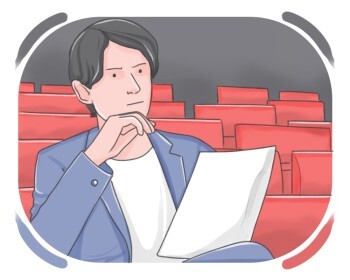
Ex: The leader decided to adopt a more optimistic tone during the team meeting. 
Close
Sign in
observer
observer
[noun]

an expert who observes and comments on something

Close
Sign in
broadly
broadly
[Adverb]

in a general or approximate way, without going into precise detail

Ex: The two candidates broadly agree on most economic issues. 
Close
Sign in
interpersonal
interpersonal
[Adjective]

relating to interactions or relationships between people
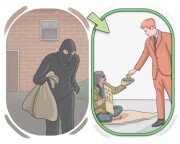
Ex: Effective communication is essential for positive interpersonal relationships. 
Close
Sign in
moral
moral
[Adjective]

concerned with right and wrong behavior

Ex: Teaching children moral values is essential for their development. 
Close
Sign in
impartiality

an inclination to weigh both views or opinions equally

Close
Sign in
expansive
expansive
[Adjective]

broad in scope or influence

Ex: The library’s expansive collection included books from every genre. 
Close
Sign in
viewpoint
viewpoint
[noun]

a certain way of thinking about a subject

Ex: From her viewpoint, the new policy would greatly benefit small businesses by providing much-needed tax relief. 
Close
Sign in
to foster
to foster
[Verb]

to encourage the growth or development of something

Ex: The school aims to foster a supportive environment where students can thrive academically and socially. 
Close
Sign in
related to
related to
[preposition]

being connected either logically or causally or by shared characteristics

Close
Sign in
to confront

to face or deal with a problem or difficult situation directly

Ex: The manager decided to confront the team's productivity issues and implement new strategies. 
Close
Sign in
spouse
spouse
[noun]

a male or female partner in a marriage

Ex: He introduced his spouse as his rock and closest confidant. 
Close
Sign in
to negotiate

to discuss the terms of an agreement or try to reach one

Ex: The diplomats spent days negotiating the terms of the peace treaty between the two countries. 
Close
Sign in
stake
stake
[noun]

a legal or financial interest or right in something

Ex: He had a stake in the inheritance. 
Close
Sign in
to argue
to argue
[Verb]

to provide reasons when saying something is the case, particularly to persuade others that one is right

Ex: He argued that increasing funding for education would lead to long-term benefits for society. 
Close
Sign in
to evaluate

to calculate or judge the quality, value, significance, or effectiveness of something or someone

Ex: The teacher evaluates students' performance through tests and assignments. 
Close
Sign in
situational
situational
[Adjective]

affected by the specific setting or conditions something happens in

Ex: This rule is only situational and does not apply all the time. 
Close
Sign in
LanGeek
Download LanGeek app