pattern

Cambridge IELTS 16 - Academic - Test 1 - Listening - Part 4

Here you can find the vocabulary from Test 1 - Listening - Part 4 in the Cambridge IELTS 16 - Academic coursebook, to help you prepare for your IELTS exam.

Review

Flashcards

Forms

Spelling

Quiz

Start learning
Cambridge IELTS 16 - Academic
(with|in) regard to
with regard to
[preposition]

used to show that the following statement or discussion is about a specific topic, highlighting its importance and relevance

Ex: With regard to the recent changes in the company's policies, employees are required to attend a mandatory training session. 
Close
Sign in
to define
to define
[Verb]

to mark clear boundaries or distinctions for a concept or area

Ex: The regulations clearly define the parameters within which businesses must operate. 
Close
Sign in
perspective

a specific manner of considering something
Ex: From a historical perspective, the Renaissance marked a period of great cultural advancement. 
Close
Sign in
wholly
wholly
[Adverb]

to a full or complete degree

Ex: She was wholly committed to the cause, dedicating all her time and energy. 
Close
Sign in
caution
caution
[noun]

the quality of being careful and attentive to possible danger or risk

Ex: Her natural caution kept her from slipping on the icy sidewalk. 
Close
Sign in
initiation

wisdom as evidenced by the possession of knowledge

Close
Sign in
desire
desire
[noun]

a very strong feeling of wanting to do or have something

Ex: Sarah's desire for adventure led her to travel to exotic destinations around the world. 
Close
Sign in
undertaking

a formal promise to do something particular

Close
Sign in
entrepreneur

a person who starts a business, especially one who takes financial risks

Ex: As an entrepreneur, she started her own tech company with just a small investment. 
Close
Sign in
founding father

a member of the Constitutional Convention that drafted the United States Constitution in 1787

Ex: James Madison is remembered as a Founding Father and a principal author of the Constitution. 
Close
Sign in
to inspire

to fill someone with the desire or motivation to do something, especially something creative or positive

Ex: Her teacher's words of encouragement inspired her to pursue her dreams. 
Close
Sign in
to put on
to put on
[Verb]

to stage a play, a show, etc. for an audience

Ex: The school decided to put on a play about environmental awareness. 
Close
Sign in
liberty
liberty
[noun]

the right to act or be governed without unfair or oppressive control, often referring to freedom from external authority or interference

Ex: The revolution was driven by the people's desire for liberty and justice. 
Close
Sign in
to lecture

to give a formal talk or presentation to teach someone or a group
Ex: The expert was invited to lecture at the conference, sharing insights on the latest advancements in technology. 
Close
Sign in
dense
dense
[Adjective]

containing plenty of things or people in a small space

Ex: The dense forest was difficult to navigate due to the thick undergrowth. 
Close
Sign in
triumph
triumph
[noun]

a great victory, success, or achievement gained through struggle

Ex: The team's triumph in the championship game was celebrated by fans all across the city. 
Close
Sign in
to refer
to refer
[Verb]

to mention something or someone particularly in speech or writing

Ex: During the presentation, the speaker referred to recent advancements in technology. 
Close
Sign in
stoicism
stoicism
[noun]

an ancient Greek philosophy that values virtue and encourages living in harmony with nature's divine Reason
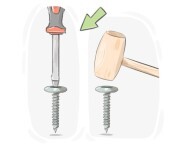
Ex: Stoicism philosophy teaches that major life changes and loss, while painful, need not shatter one's inner strength and tranquility if one submits to fate. 
Close
Sign in
practical
practical
[Adjective]

(of a method, idea, or plan) likely to be successful or effective
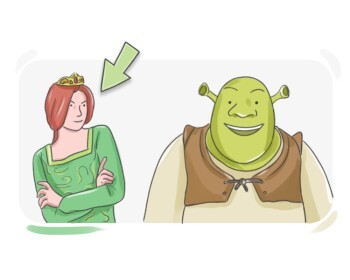
Ex: The engineer proposed a practical solution to the problem. 
Close
Sign in
appealing
appealing
[Adjective]

pleasing and likely to arouse interest or desire

Ex: Despite her simple attire, there was something undeniably appealing about her natural beauty. 
Close
Sign in
amazingly
amazingly
[Adverb]

in a way that is extremely well or impressive

Ex: She solved the complex puzzle amazingly quickly. 
Close
Sign in
access
access
[noun]

the right or opportunity to use something or benefit from it

Ex: Employees are granted access to the secure database only after completing cybersecurity training. 
Close
Sign in
stoic
stoic
[noun]

a member of the ancient Greek school of philosophy founded by Zeno

Close
Sign in
principle
principle
[noun]

a fundamental belief or guideline based on what is morally right that influences one's actions and decisions

Ex: She refused to compromise her principles, even when it meant losing the contract. 
Close
Sign in
unshakable
unshakable
[Adjective]

firm in a way that cannot be destroyed or changed

Ex: Her unshakable faith helped her through the darkest times. 
Close
Sign in
key
key
[noun]

a crucial factor in achieving or understanding something

Ex: Trust is the key to a successful relationship. 
Close
Sign in
virtue
virtue
[noun]

a positive moral quality or admirable trait in a person

Ex: Patience is often seen as a great virtue. 
Close
Sign in
in turn
in turn
[Adverb]

in a sequential manner, referring to actions or events occurring in a specific order

Ex: Each participant presented their findings in turn during the conference. 
Close
Sign in
conscious
conscious
[Adjective]

done with purpose

Ex: She made a conscious effort to speak more slowly. 
Close
Sign in
external
external
[Adjective]

relating to a source outside a specific situation or context

Ex: During a business negotiation, external factors such as market conditions and economic trends can influence the outcome. 
Close
Sign in
renowned
renowned
[Adjective]

famous and admired by many people

Ex: The renowned scientist was honored with a Nobel Prize for his groundbreaking research. 
Close
Sign in
ardent
ardent
[Adjective]

showing a great amount of eagerness

Ex: She was an ardent supporter of the environmental movement, dedicating her weekends to clean-up drives. 
Close
Sign in
consoling
consoling
[Adjective]

affording comfort or solace

Close
Sign in
economist
economist
[noun]

a professional who studies and analyzes economic theories, trends, and data to provide insights into economic issues

Ex: The economist predicted a downturn in the housing market based on current economic indicators. 
Close
Sign in
capitalism

an economic and political system in which industry, businesses, and properties belong to the private sector rather than the government

Ex: Capitalism is an economic system where private individuals and businesses own the means of production and operate for profit. 
Close
Sign in
former
former
[Adjective]

(of a person) having filled a specific status or position in an earlier period

Ex: The former president of the company retired last year. 
Close
Sign in
to compare

to state or describe how two things or persons are similar

Ex: He often compares his brother to a superhero because of his strength. 
Close
Sign in
prime minister

the head of government in parliamentary democracies, who is responsible for leading the government and making important decisions on policies and law-making

Ex: The Prime Minister addressed the nation to announce new economic measures aimed at boosting employment. 
Close
Sign in
(in|over) the course of {sth}

referring to the period or duration during which something happens, develops, or takes place
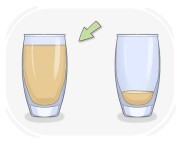
Ex: In the course of his career, he gained valuable experience and expertise in his field. 
Close
Sign in
profound
profound
[Adjective]

showing the intensity or greatness of something

Ex: The novel had a profound impact on readers, prompting deep reflection on the human condition. 
Close
Sign in
cognitive behavioral therapy

a psychotherapy that targets negative thoughts and behaviors to address mental health issues

Ex: Cognitive behavioral therapy (CBT) is an evidence-based approach that helps individuals identify and change negative thought patterns and behaviors. 
Close
Sign in
to treat
to treat
[Verb]

to provide medical care such as medicine or therapy to heal injuries, illnesses, or wounds and make someone better

Ex: First aid is administered to treat minor injuries and wounds. 
Close
Sign in
to [take] control

to gain the power to make decisions in a situation

Ex: He had to take control of the situation. 
Close
Sign in
irrational
irrational
[Adjective]

not based on reason or logic

Ex: Her fear of flying was irrational since statistics showed that it is one of the safest modes of transportation. 
Close
Sign in
faulty
faulty
[Adjective]

not functioning correctly or failing to meet proper standards

Ex: His conclusion was based on faulty assumptions. 
Close
Sign in
symptom
symptom
[noun]

a change in the normal condition of the body of a person, which is the sign of a disease

Ex: A persistent cough can be a symptom of a respiratory infection. 
Close
Sign in
resilience

the ability to recover from difficult situations

Ex: After losing her job, Sarah showed remarkable resilience by quickly finding a new position and adapting to her new workplace. 
Close
Sign in
state of mind

the state of a person's cognitive processes

Close
Sign in
to overcome

to succeed in solving, controlling, or dealing with something difficult

Ex: She overcame obstacles in her career by demonstrating resilience and determination. 
Close
Sign in
setback
setback
[noun]

a problem that gets in the way of a process or makes it worse

Ex: The unexpected financial setback forced them to postpone their expansion plans. 
Close
Sign in
obstacle
obstacle
[noun]

an intangible difficulty or challenge that must be overcome

Ex: Fear of failure was the main obstacle to her success. 
Close
Sign in
relevant
relevant
[Adjective]

appropriate, important, or connected to the current time, situation, or context, often reflecting modern interests or concerns

Ex: Staying relevant in a fast-evolving industry requires continuous learning and adaptation. 
Close
Sign in
root
root
[noun]

the primary cause of something

Ex: Understanding the root of the problem is essential for finding an effective solution to the conflict. 
Close
Sign in
considerable
considerable
[Adjective]

large in quantity, extent, or degree

Ex: The project required a considerable amount of funding to cover all expenses and ensure its success. 
Close
Sign in
to master
to master
[Verb]

to learn to perform or use a skill or ability thoroughly and completely

Ex: The chef took the time to master the art of creating intricate desserts. 
Close
Sign in
fame
fame
[noun]

a state of being widely known or recognized, usually because of notable achievements, talents, or actions

Ex: His fame as a musician skyrocketed after his hit single topped the charts. 
Close
Sign in
disciplined
disciplined
[Adjective]

having devoted a lot of time and effort into learning necessary skills for a particular field or activity
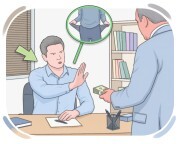
Ex: He is a disciplined musician who has practiced diligently to master his instrument. 
Close
Sign in
principled
principled
[Adjective]

behaving in a manner that shows one's high moral standards

Ex: She is known for her principled stance on environmental issues, always advocating for sustainable practices. 
Close
Sign in
to resonate

to be understood and have a strong impact or relevance

Ex: The painting's vibrant colors and striking composition resonated deeply with art enthusiasts. 
Close
Sign in
appeal
appeal
[noun]

the attraction and allure that makes one interesting

Ex: The movie's appeal lies in its powerful storyline. 
Close
Sign in
to found
to found
[Verb]

to build or establish something based on a specific principle, idea, or belief

Ex: Their philosophy was founded on the belief that education should be accessible to everyone. 
Close
Sign in
essential
essential
[Adjective]

very necessary for a particular purpose or situation

Ex: Adequate nutrition is essential for overall health and well-being. 
Close
Sign in
LanGeek
Download LanGeek app